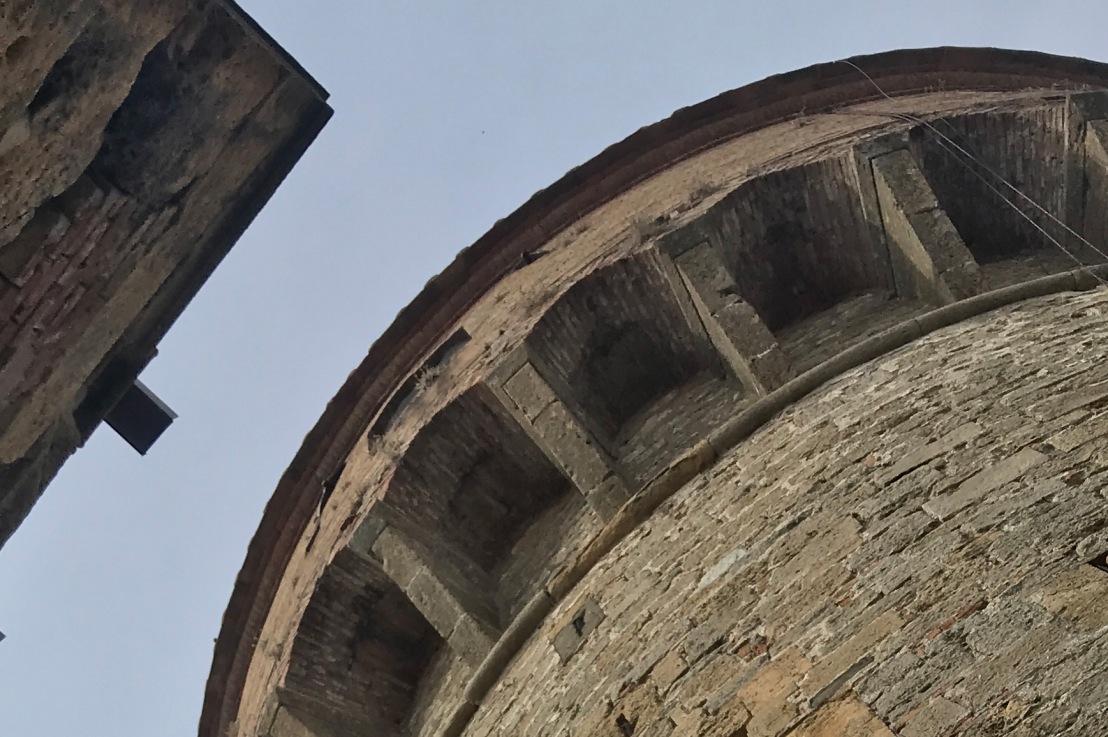
Not a bad title for a novel! Anyway – this post is a little media-rich – so beware.
It was more of an eventful night than day… I sat in and wrote a bit (maybe 600 words), and Niamh went out to mooch around town with our guests. They went to the market, bought goodies and then went to lunch in I Ponti. I’d never eaten there before. They had a selection of panini and antipasti, and the reports were good! Niamh also saw a waiter there who used to work in Da Beppino – he always recognised us. A lot of waiters seem to circulate in Volterra from season to season.
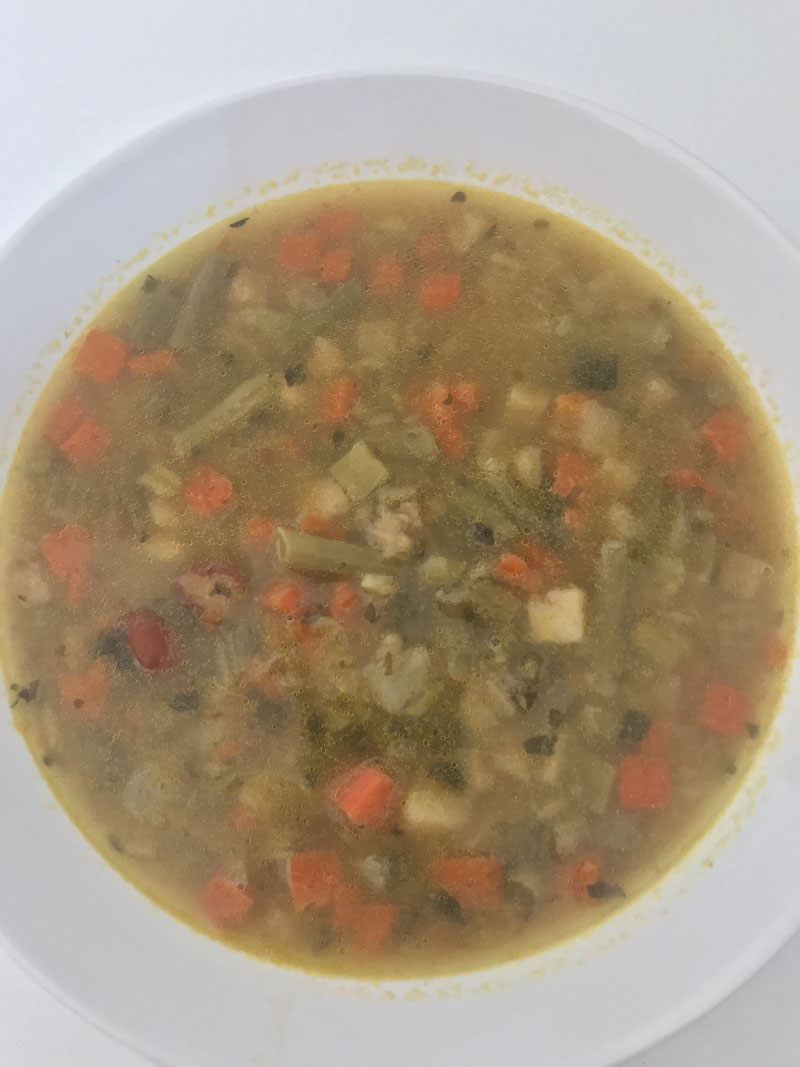
I had a veg soup in a carton by Knorr. This may sound blech, but as far as packaged soups go, don’t compare to what we get at home… it wasn’t bad at all!
We crashed and screen-watched in the afternoon, and had the last of the beef ragu that I made, with added oompf by Niamh. It was nice and tasty!
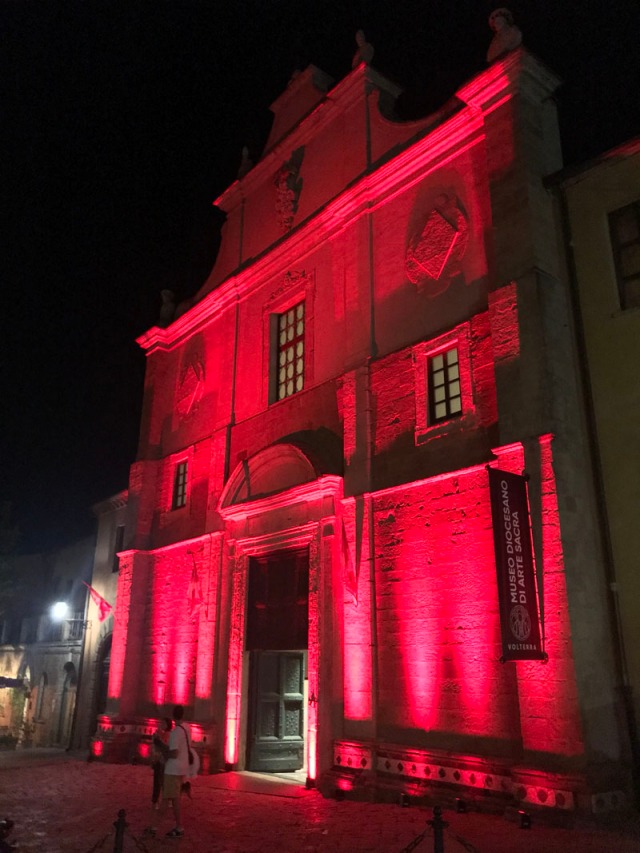
A little after 21:00, a few of us ventured out to sample what the Red Night (La Notte Rossa) had to offer.
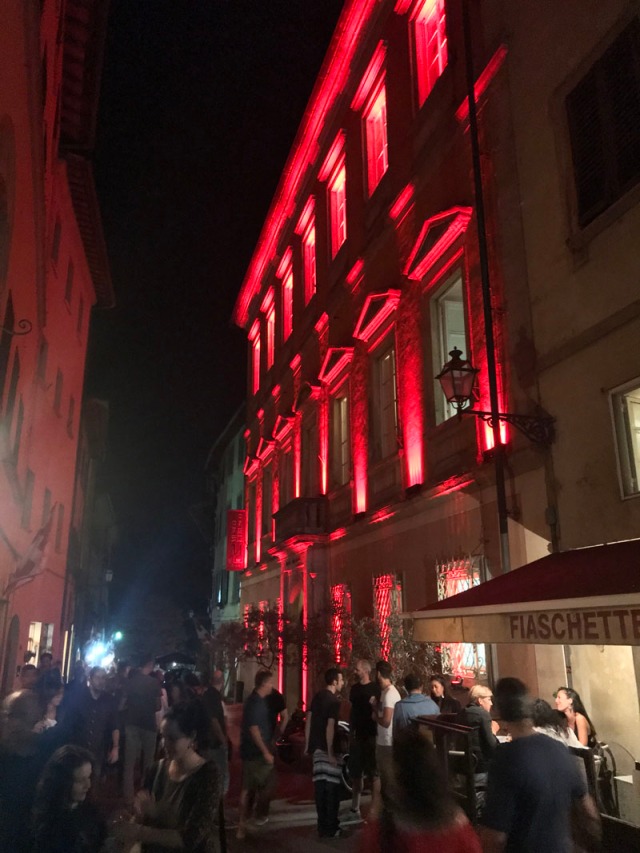
If the Medieval Festival appealed to the child in me, the Red Night appeals to the creative adult. Throughout the town, there were art installations, gentle jazz/world bands and many of the museums were open free of charge until midnight. As well as that, some of the town’s more well-to-do families opened their palazzi to the public – which is something they’d never do, except on nights like this.
Firstly, we entered the main square (Piazza dei Priori), to a little bit of magic!
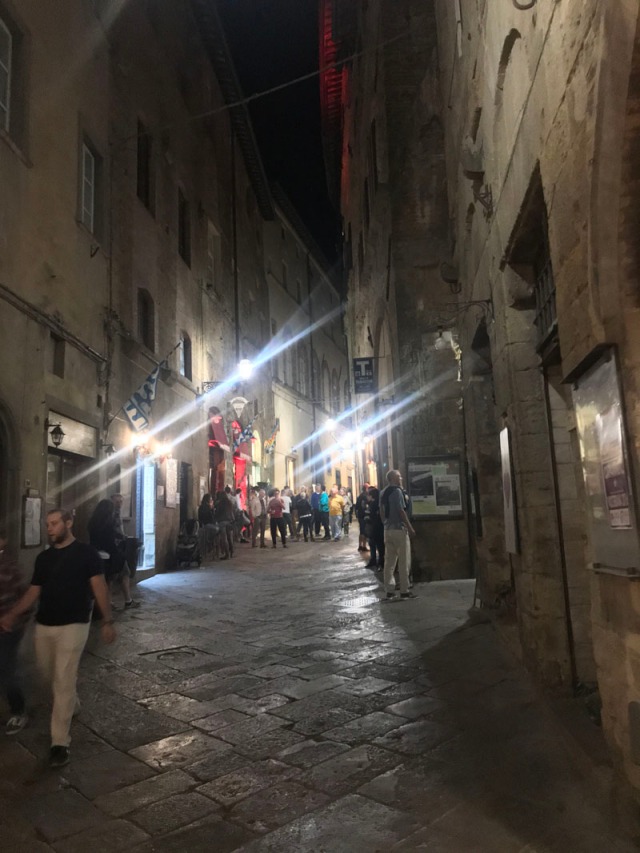
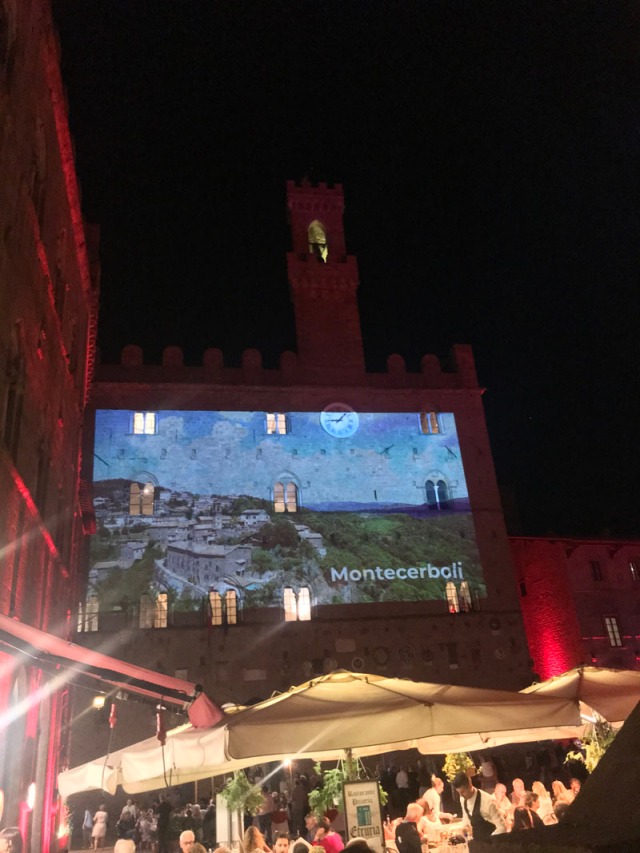
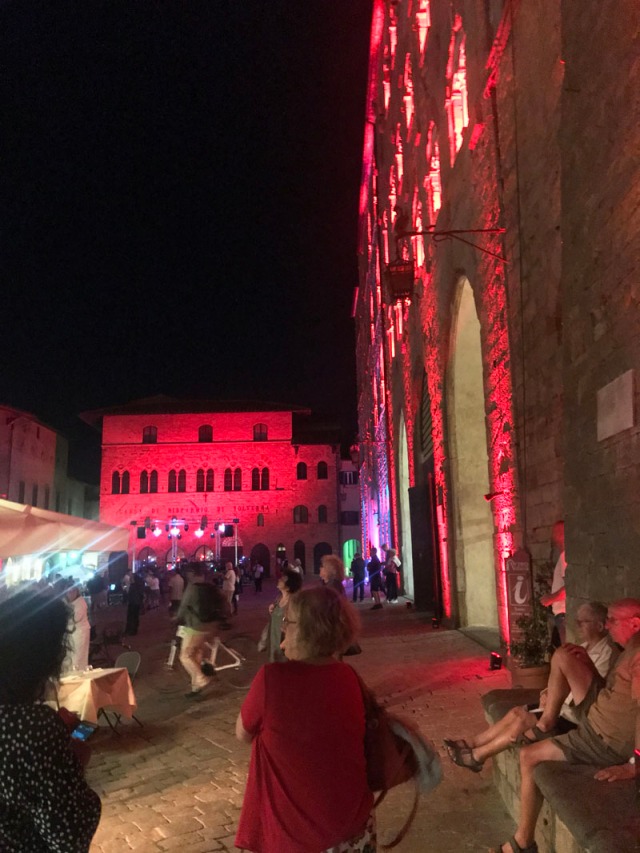
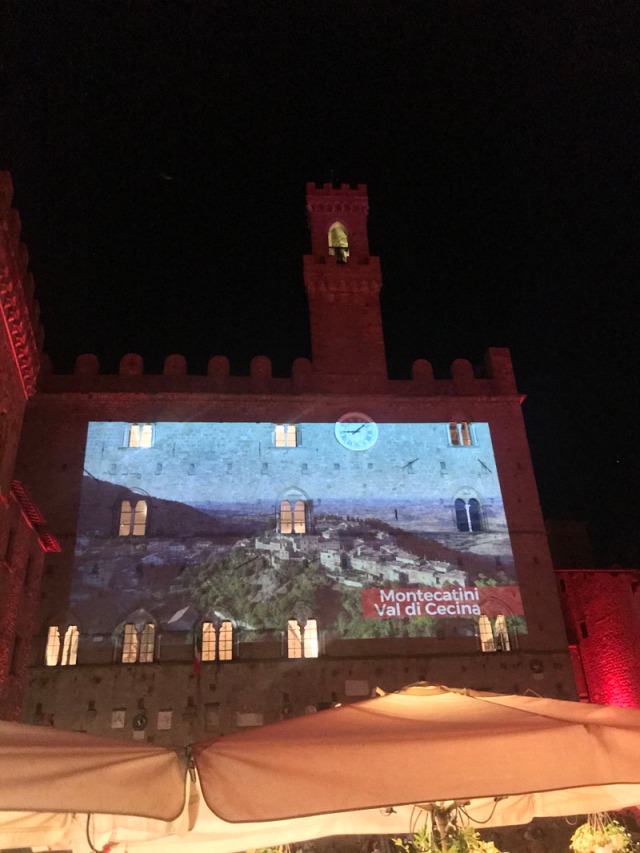
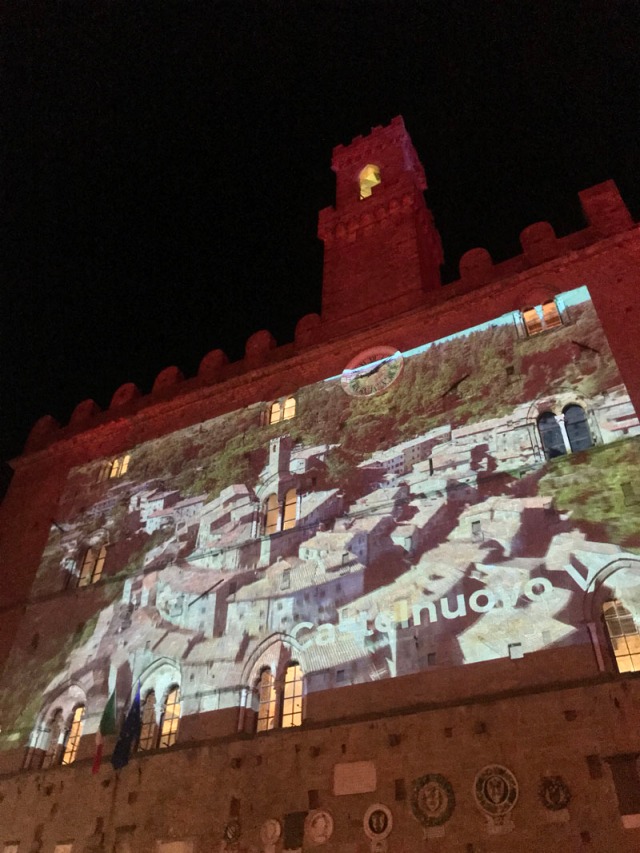

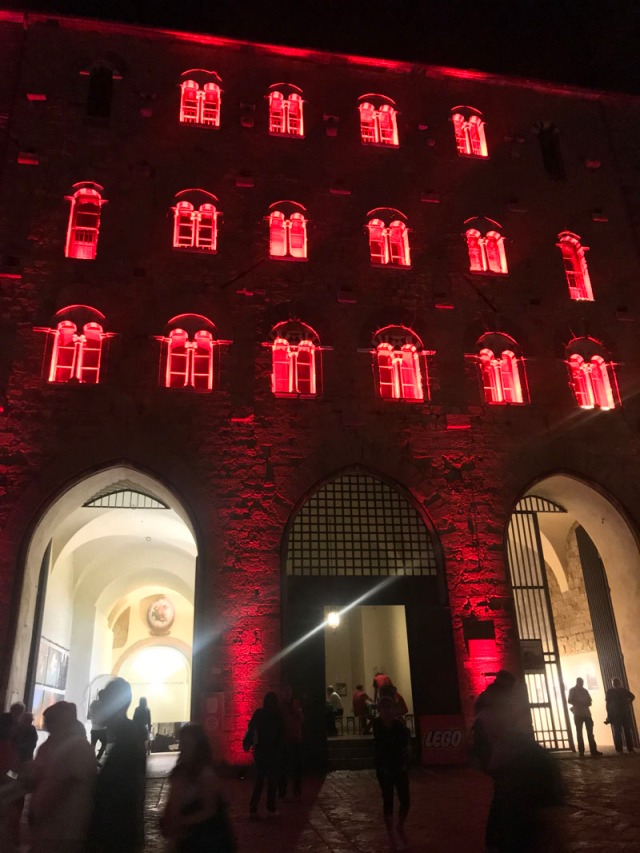
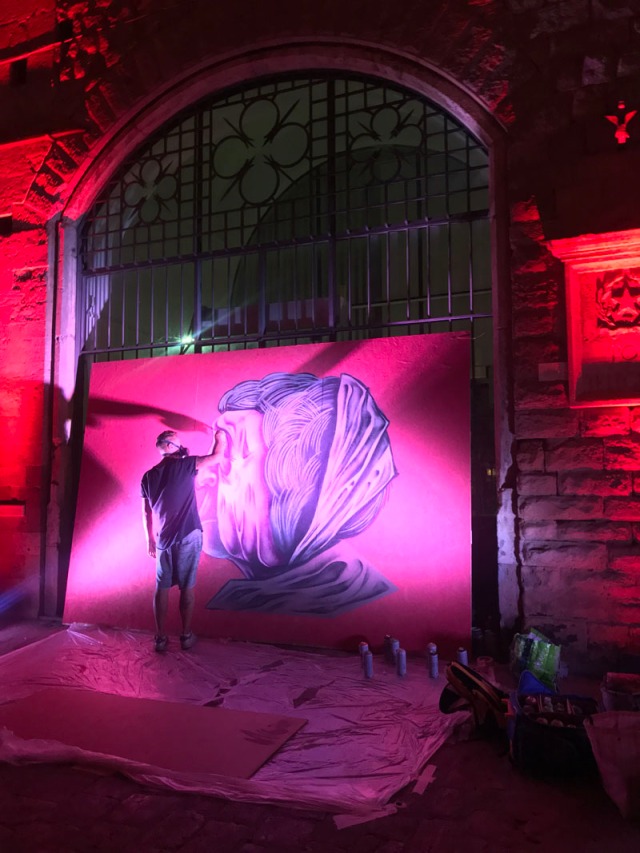
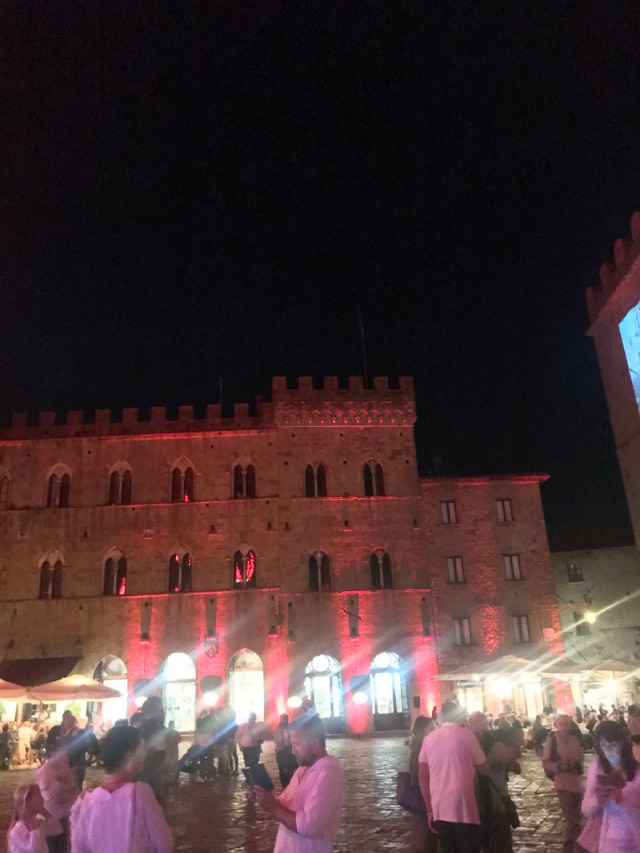
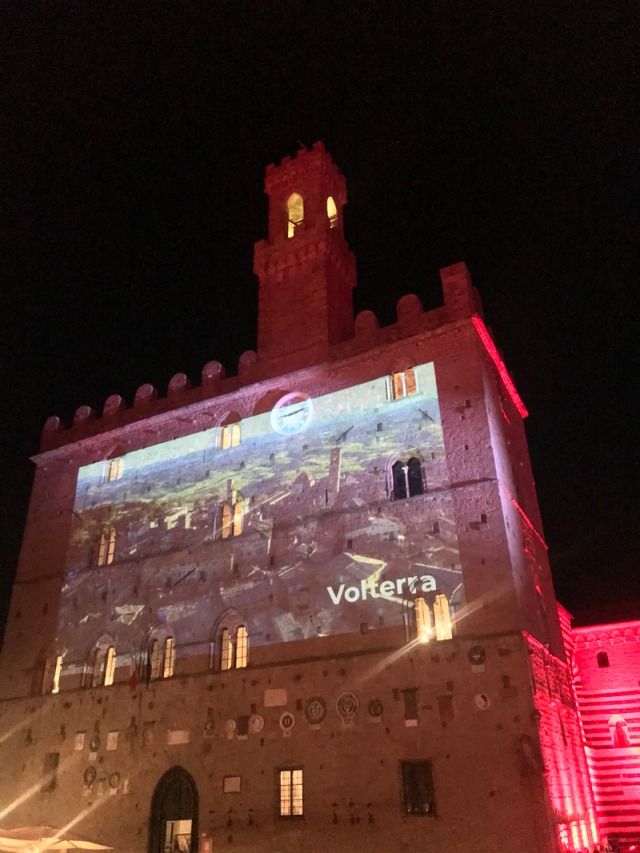
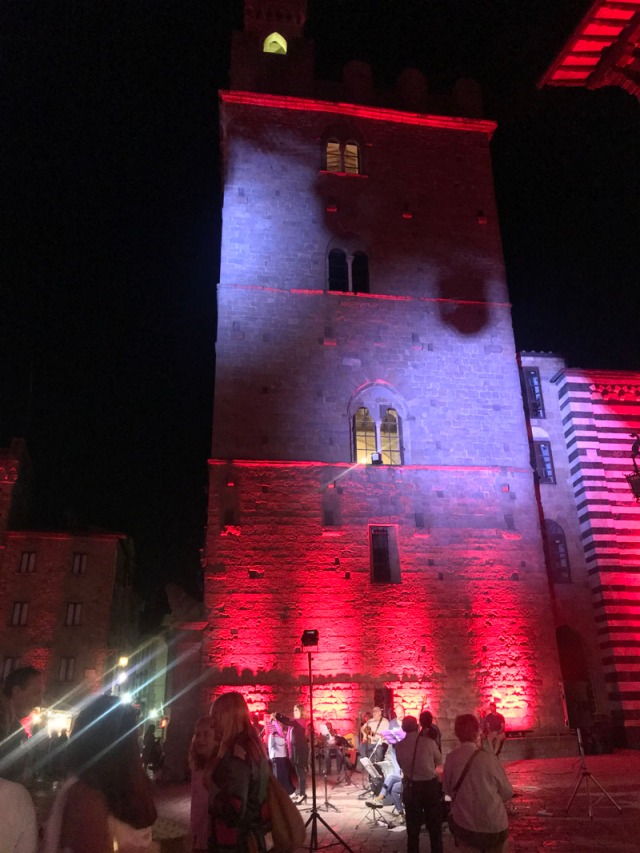
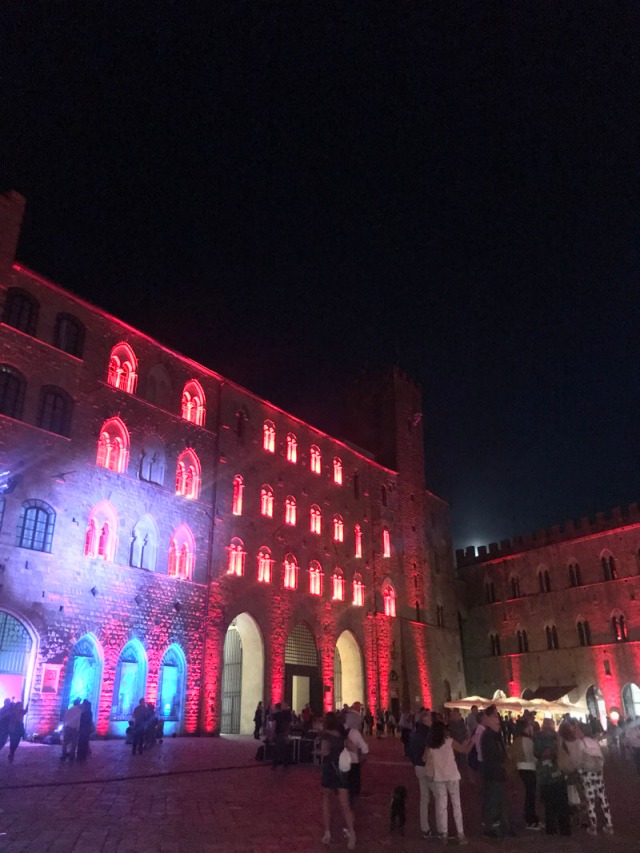
The walls of the buildings were lit up red and indigo, and a video of local hilltowns was being projected onto Palazzo dei Priori. A band played soft jazz, while a young man used aerosol paints to create a stylised profile. Just wonderful. If I’d been here before on such a night, I might have stayed here and chilled with some wine or cocktails.
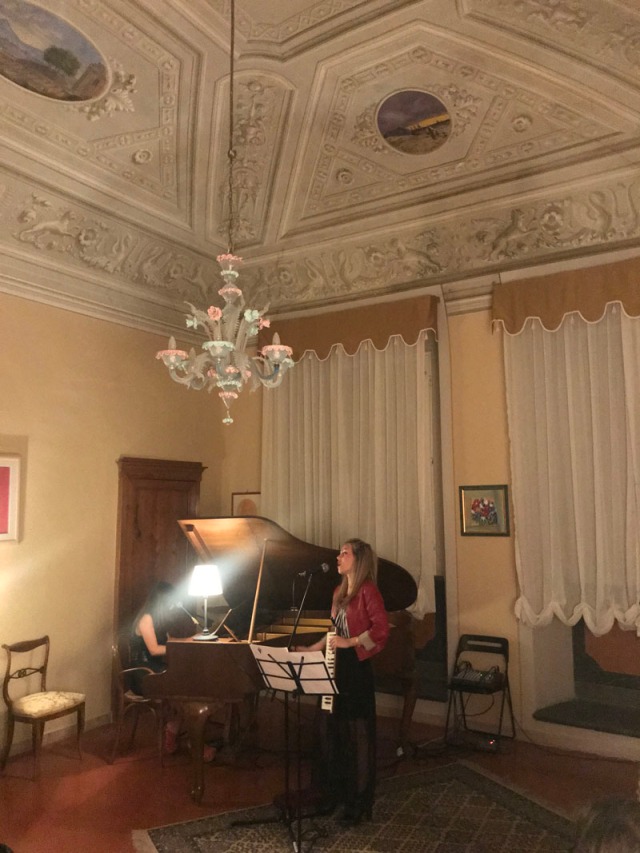
We instead moved on to have a look at the first palazzo, which was somewhere definitely lived in. It was beautifully decorated and furnished, and a couple of ladies with a piano and melodica were performing some Italian jazz numbers in one of the rooms.
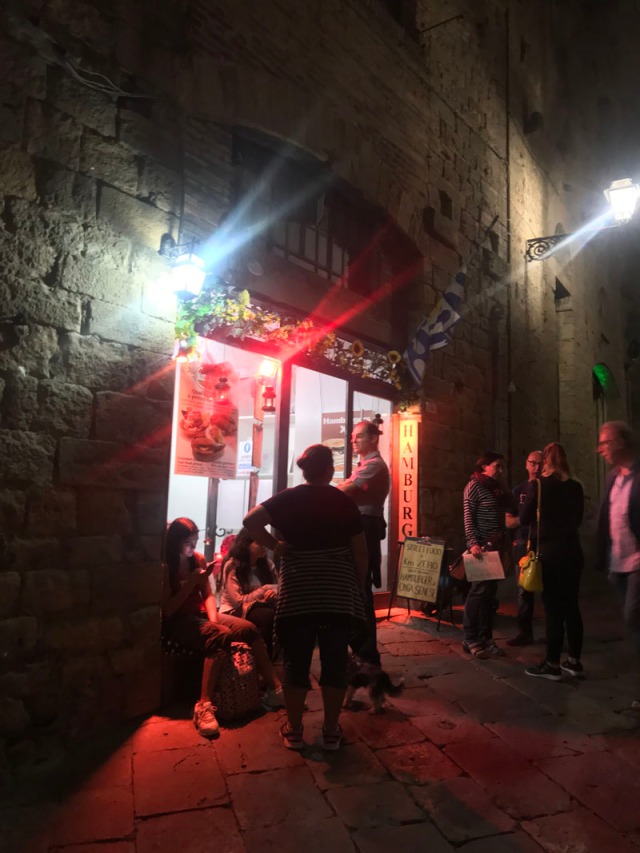

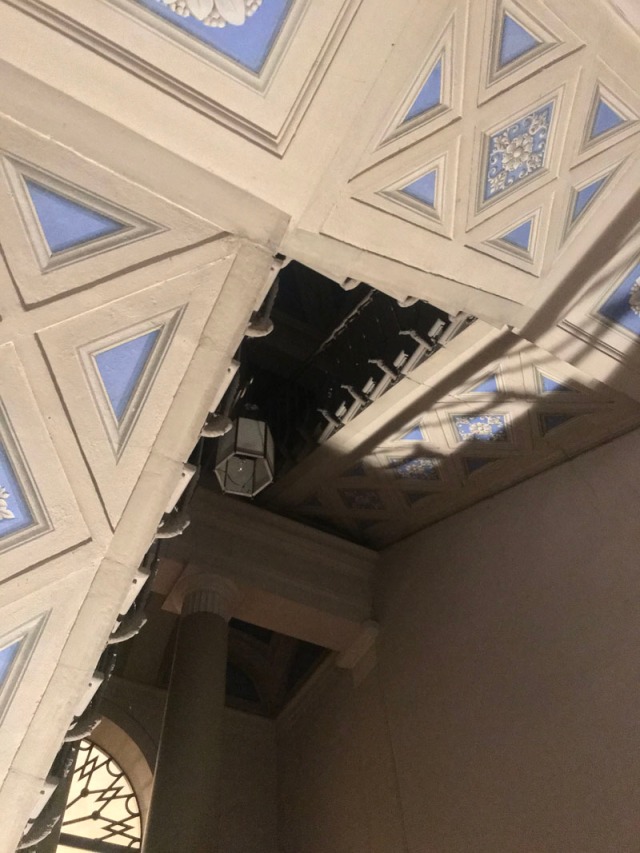
Another couple of places had also opened, revealing lovely, intimate gardens.

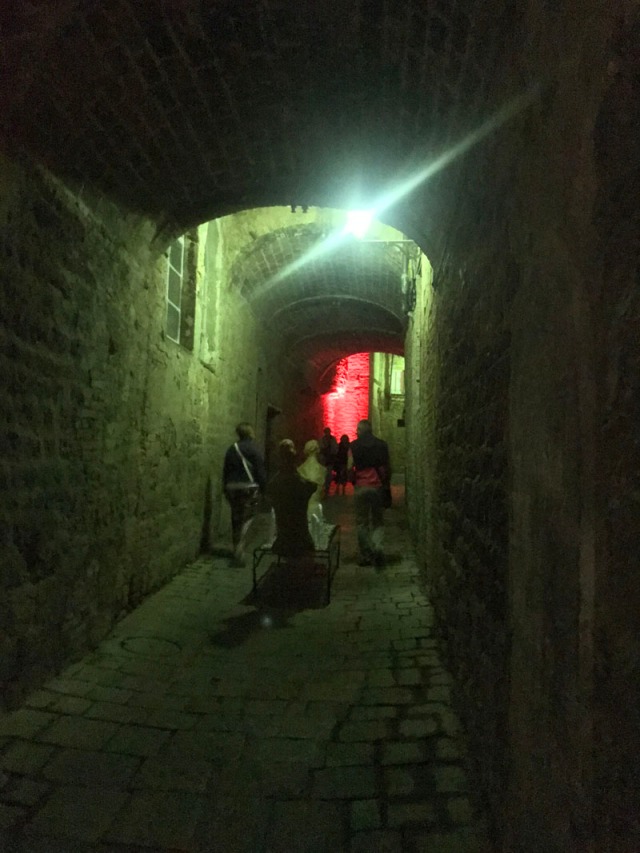
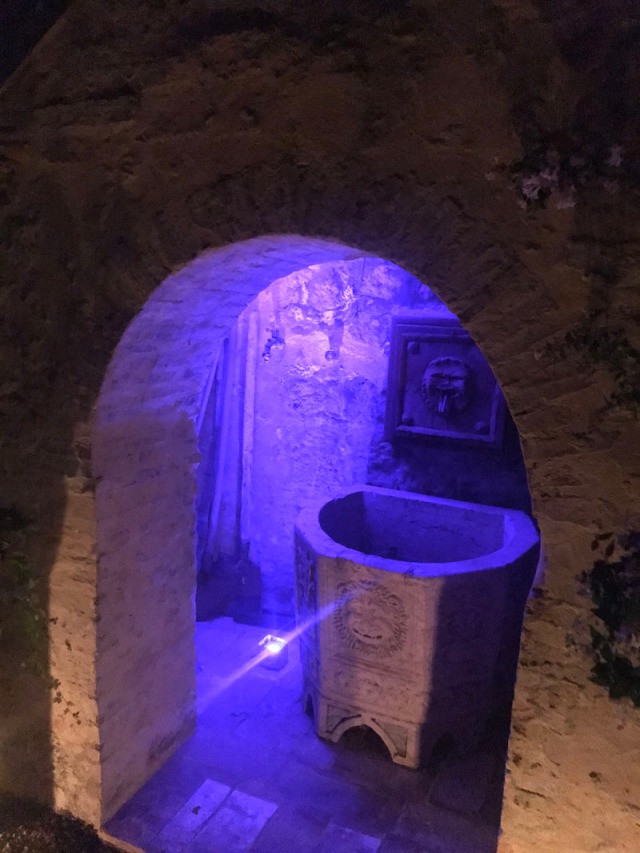
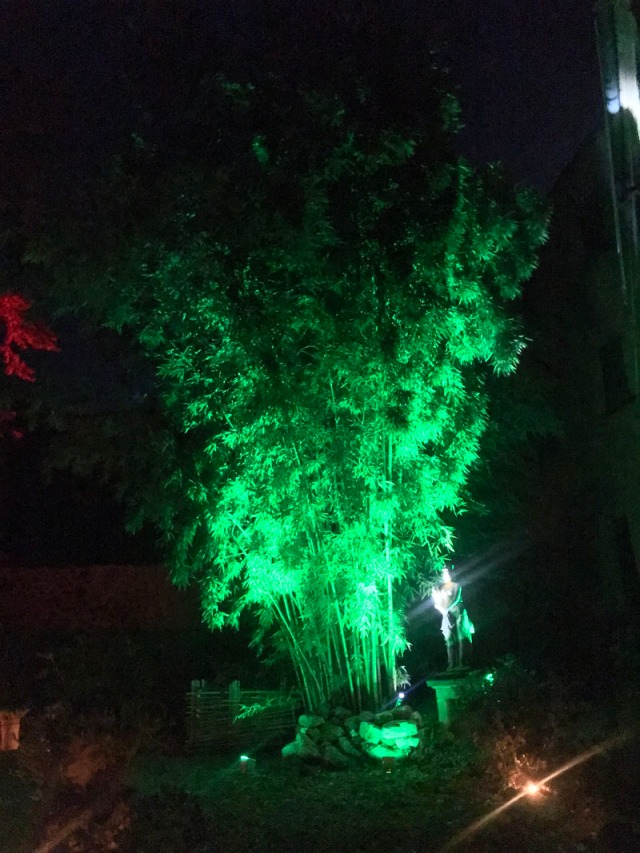
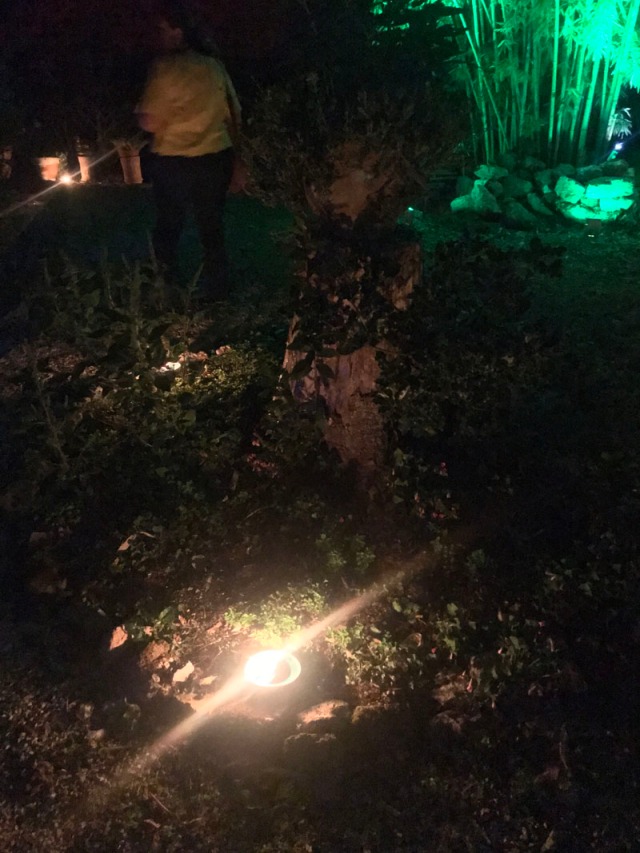
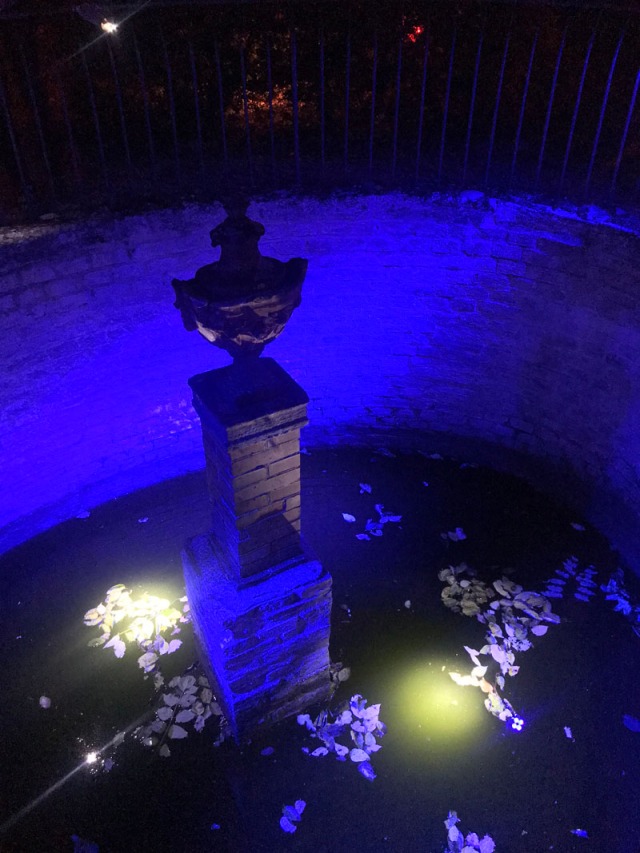
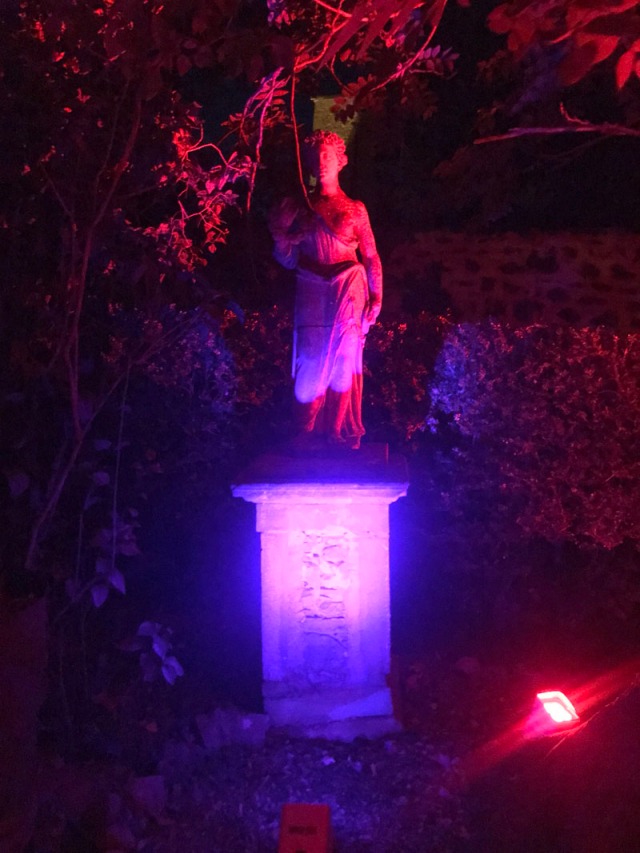
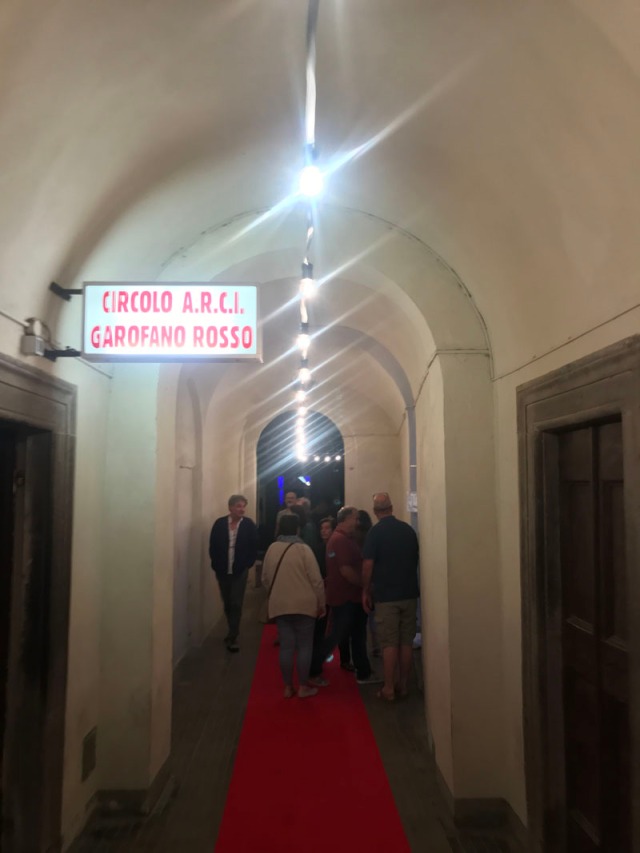
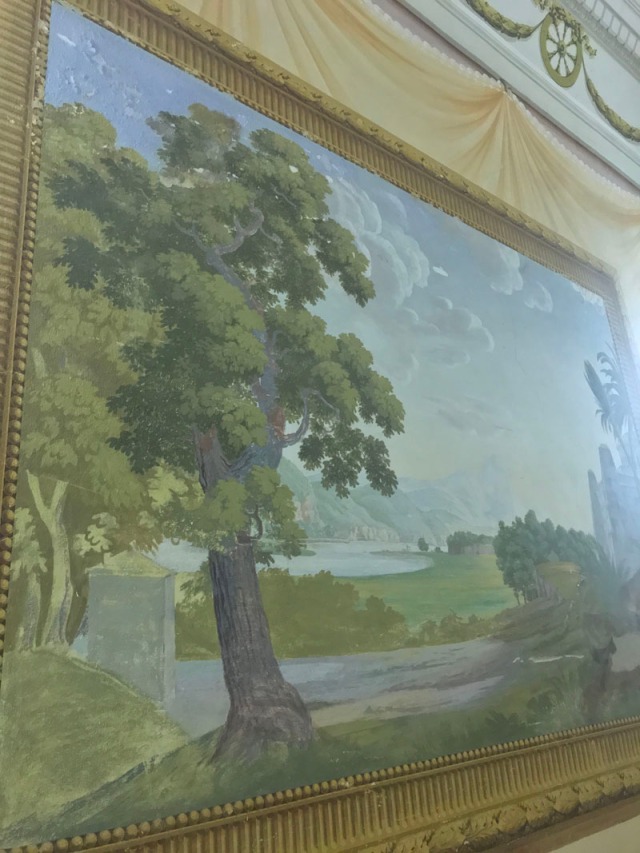
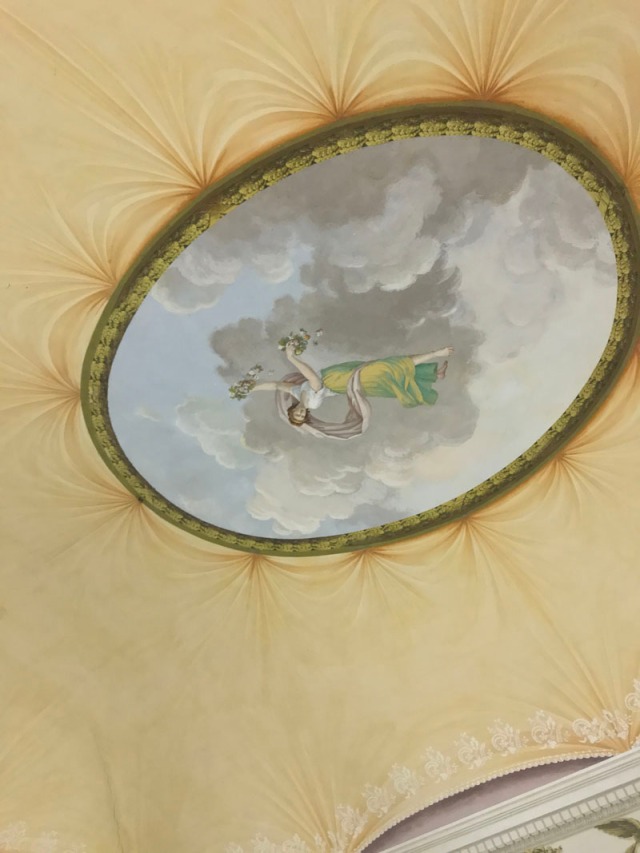
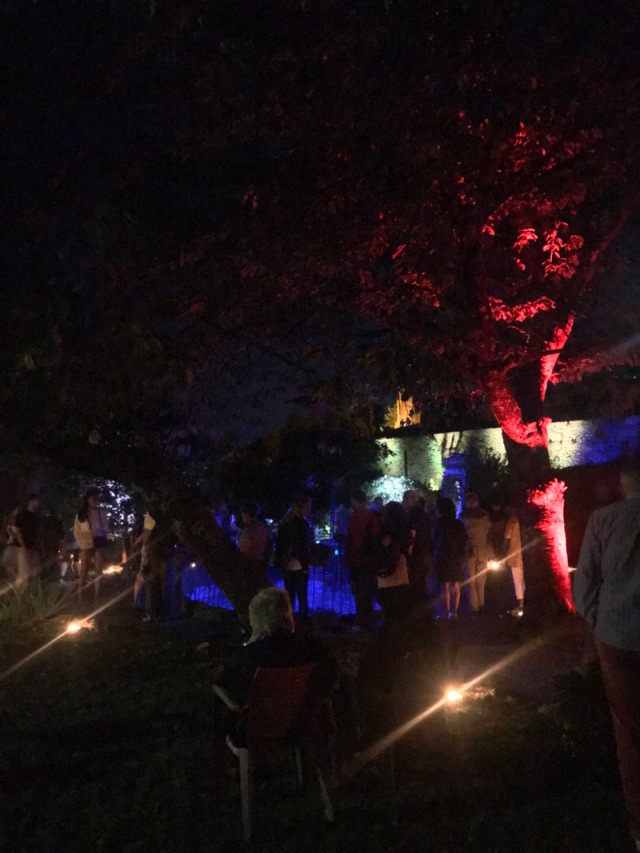
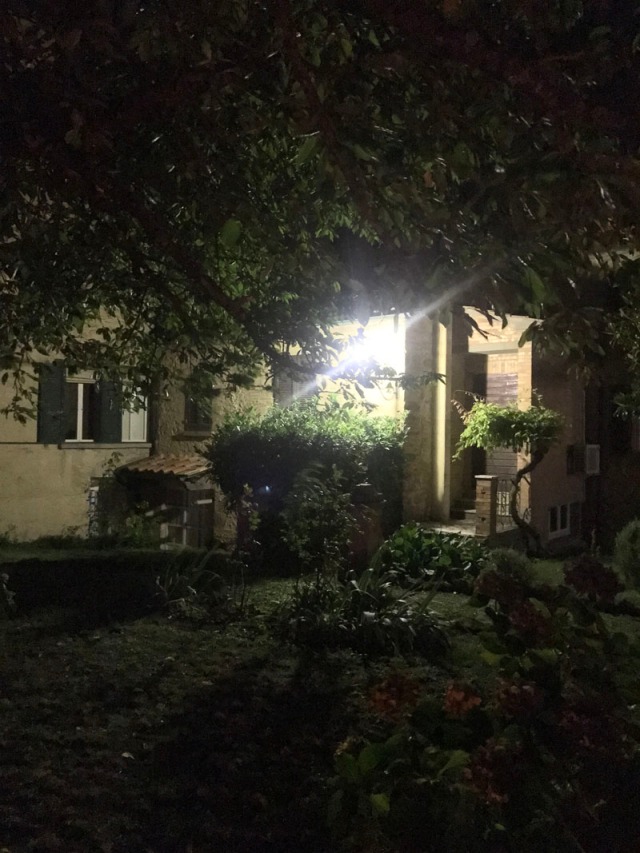
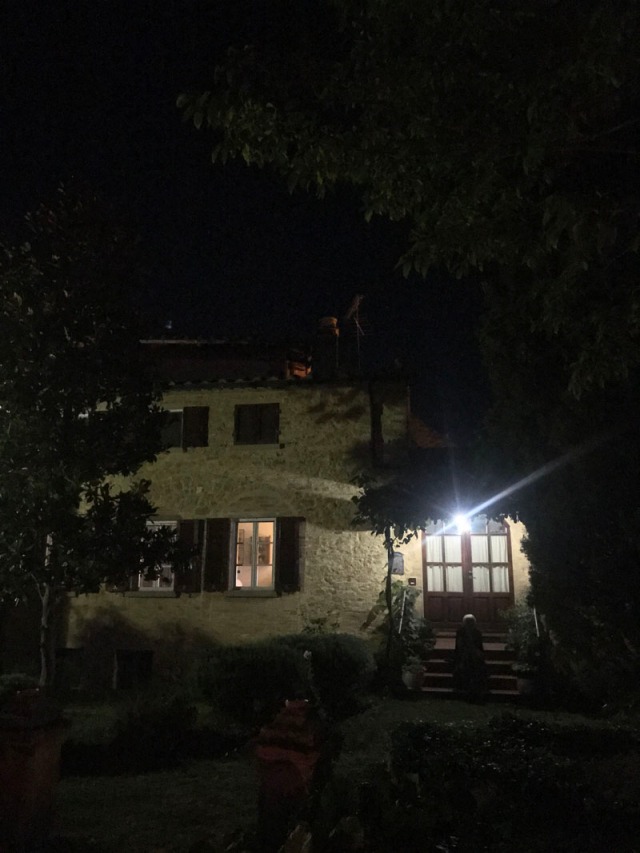


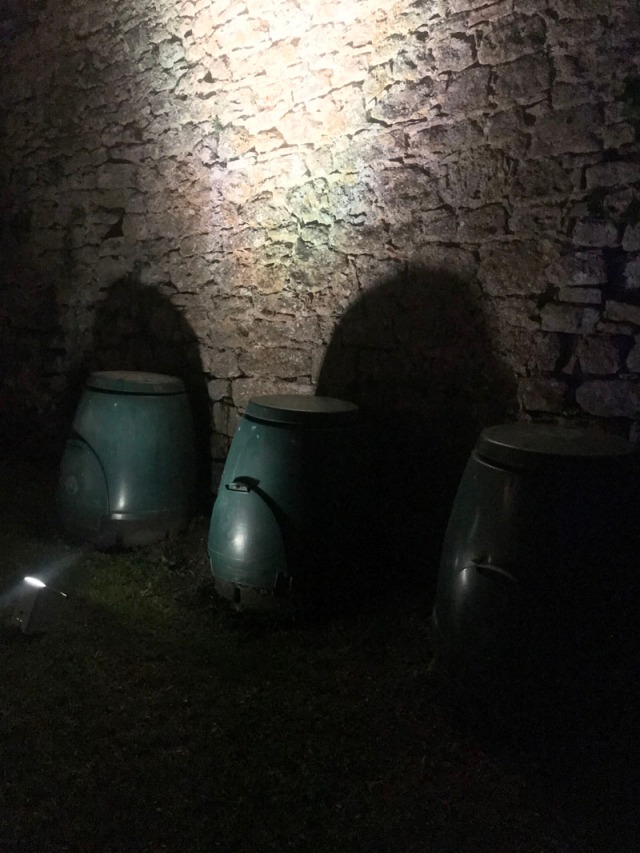
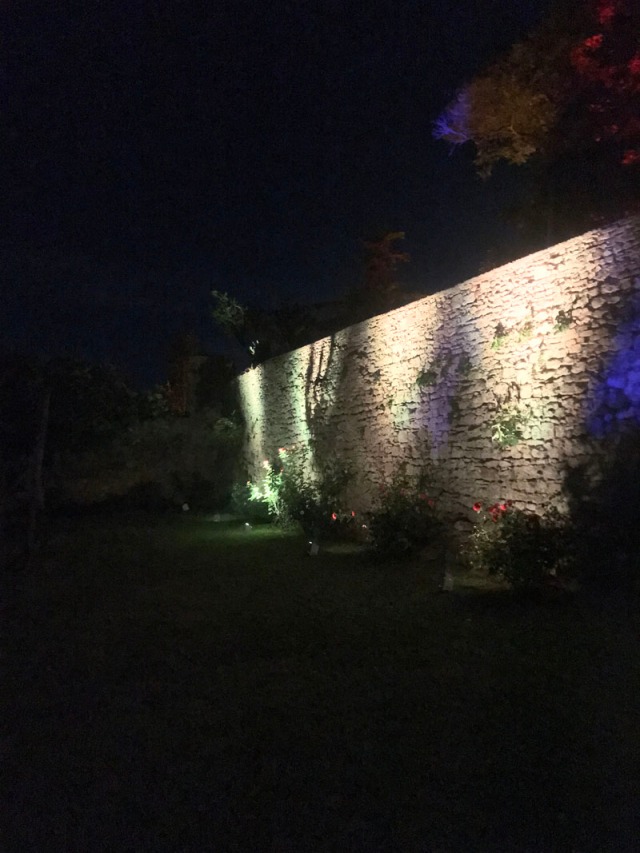
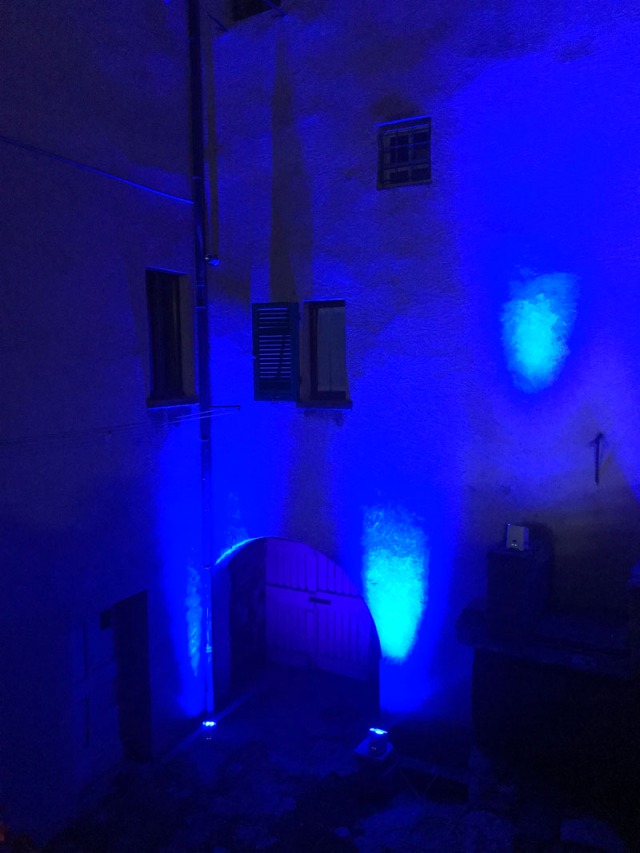
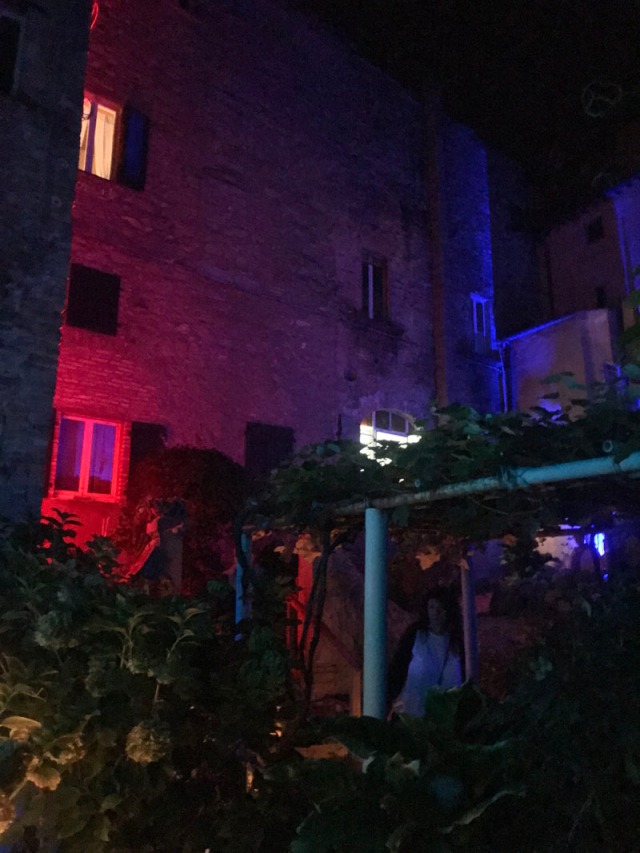
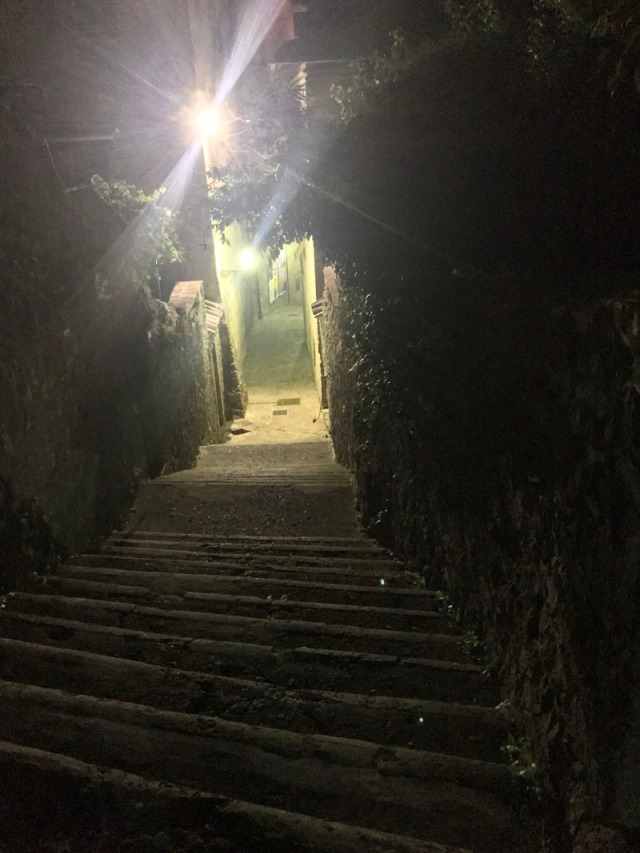
After exploring there and listening to a little music, we went to the Porta San Felice – where the crossroads of steps was all lit up with lamps, the oils of which were gently perfurmed. It looked so gorgeous.
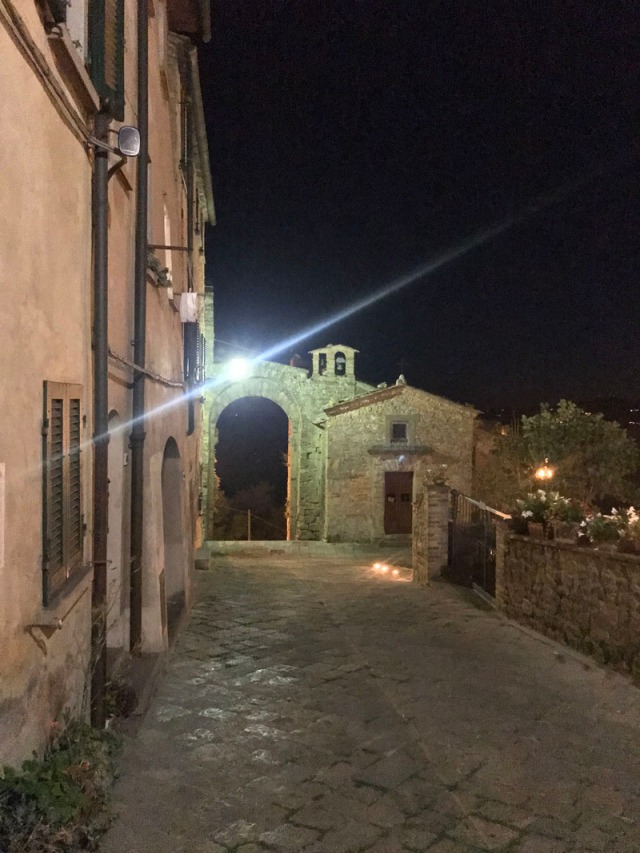
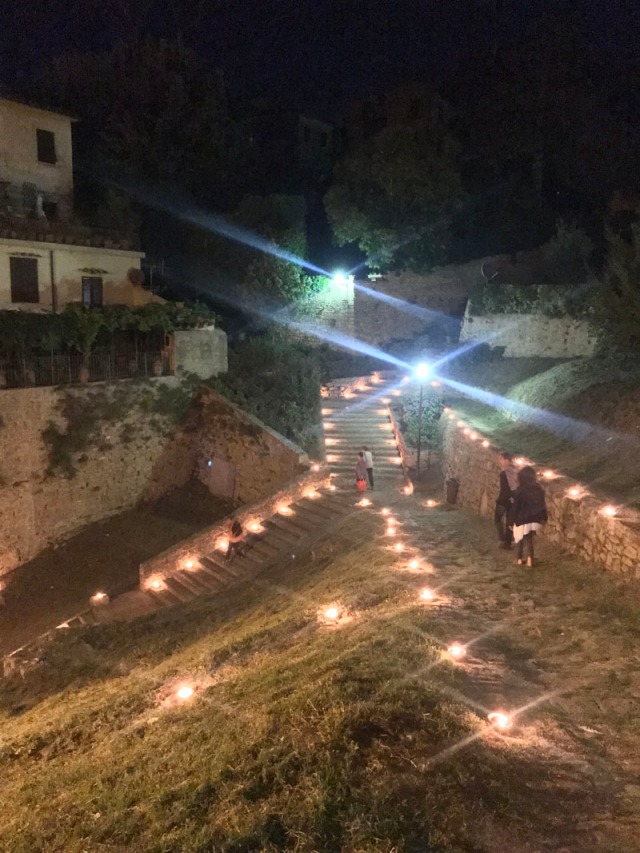
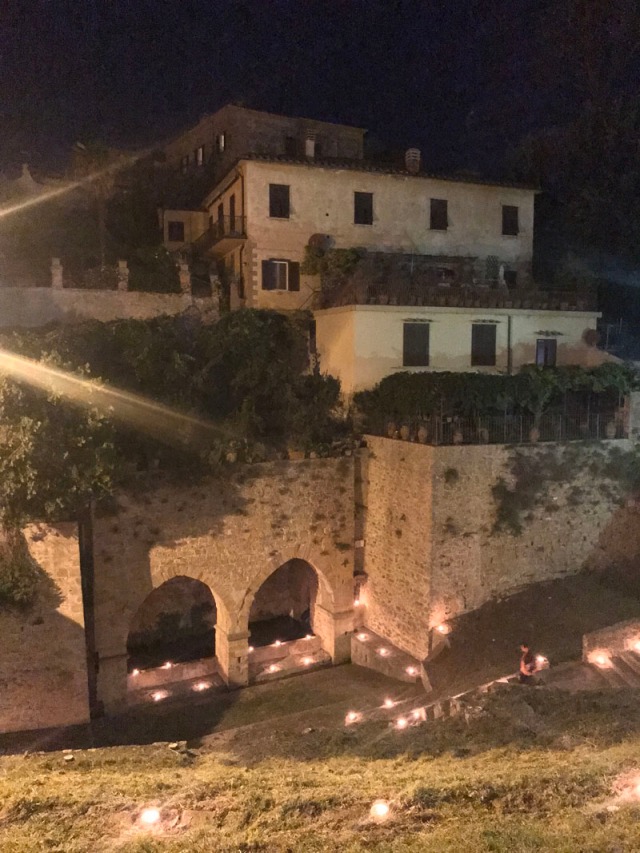
We had another final little explore together, before we broke company in Volterra’s sweet little theatre.
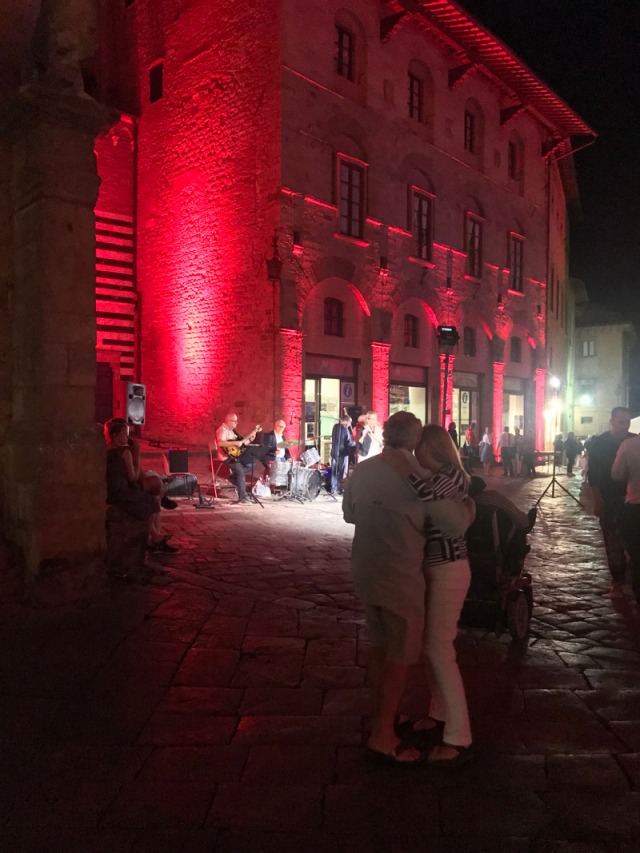
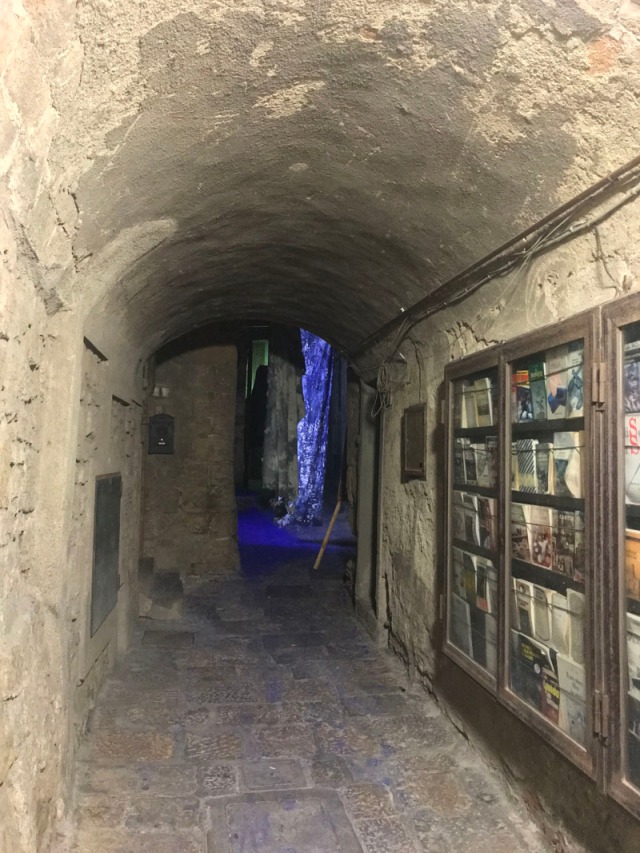
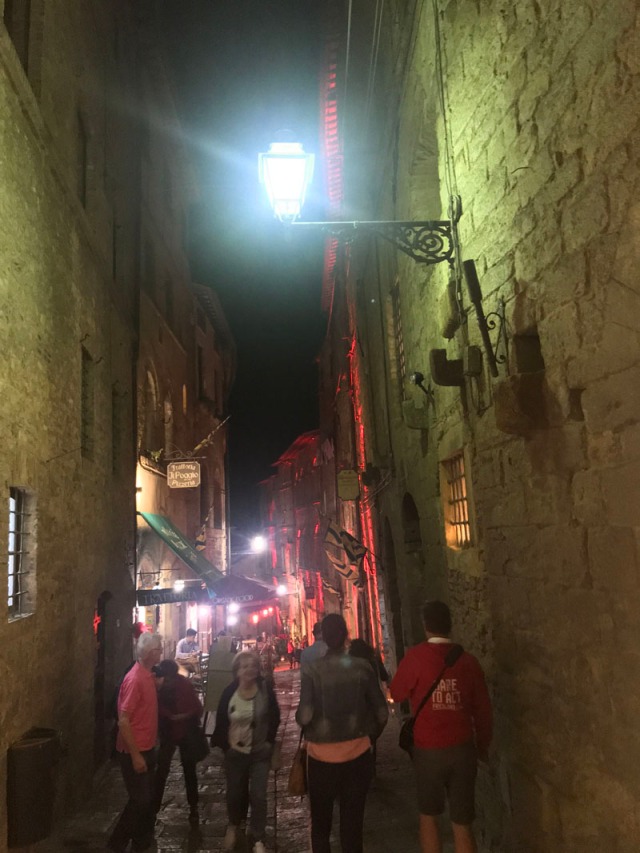
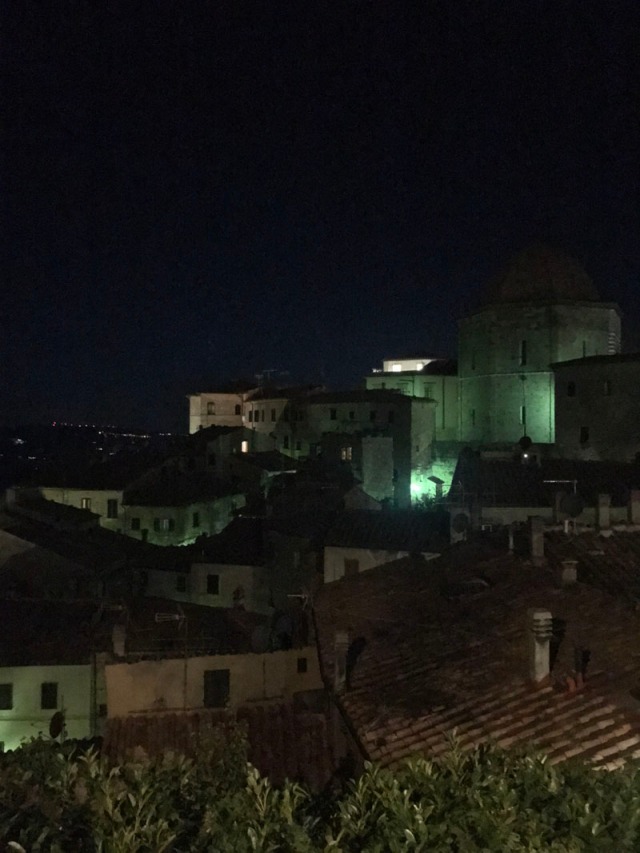
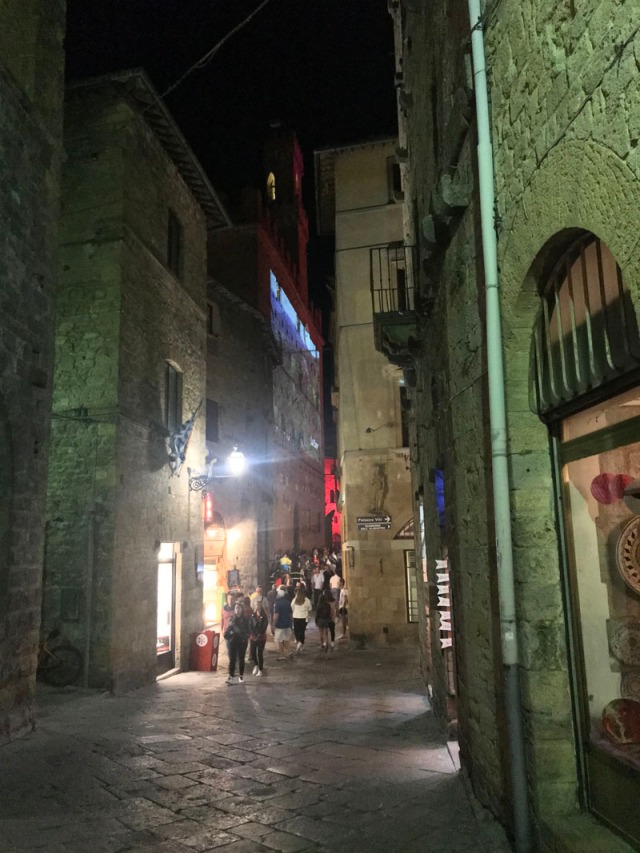
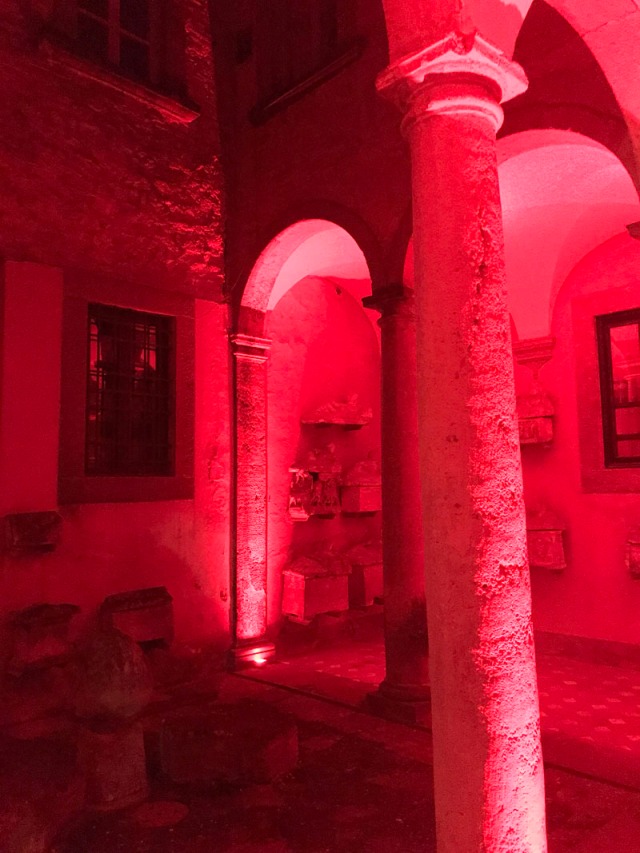
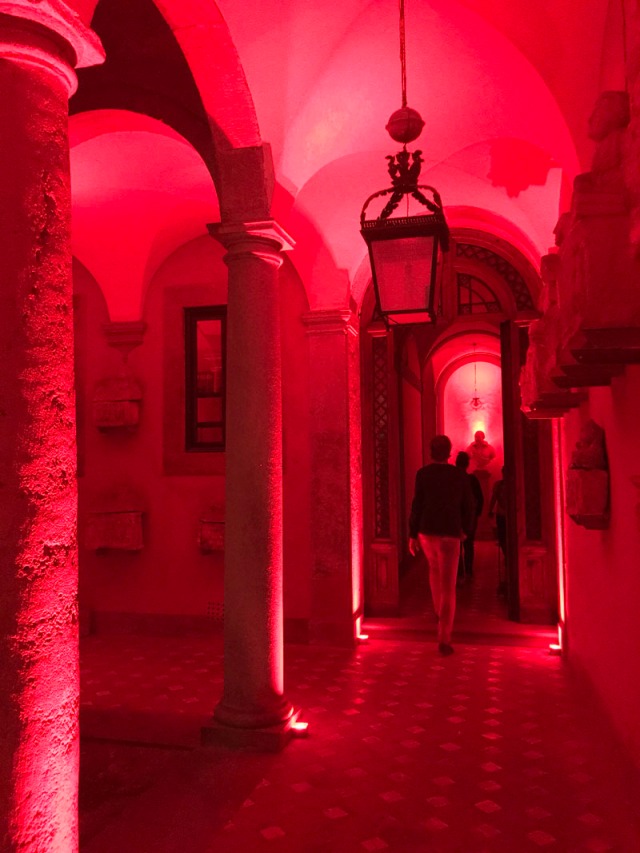
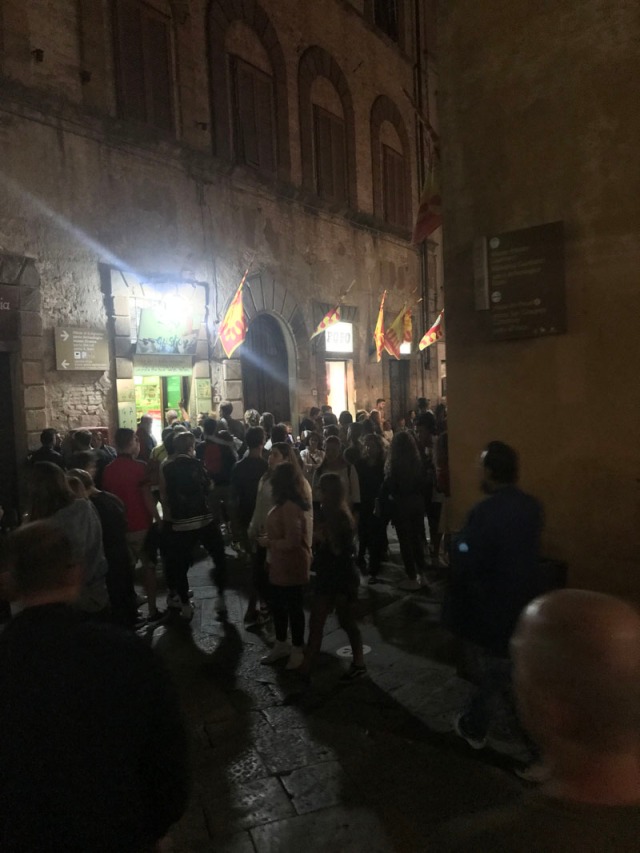
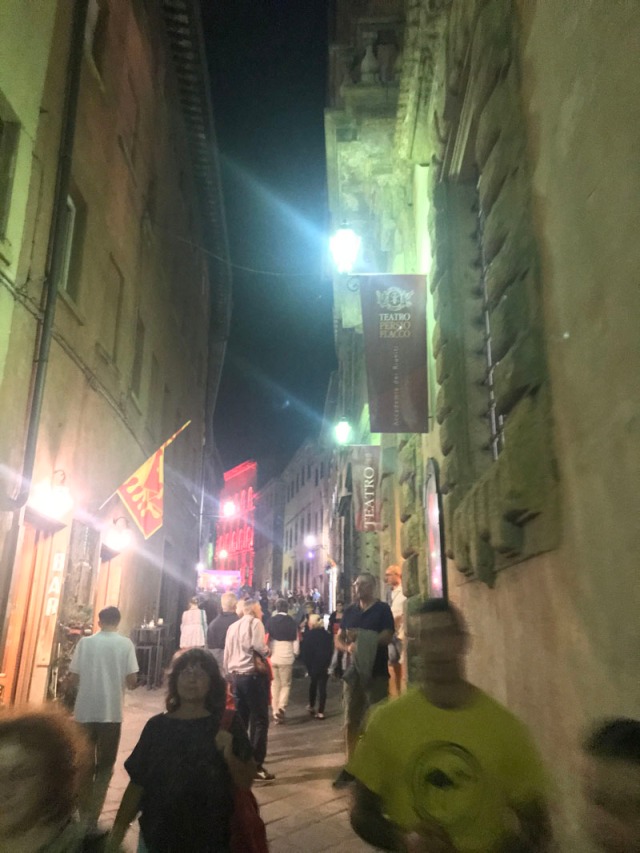
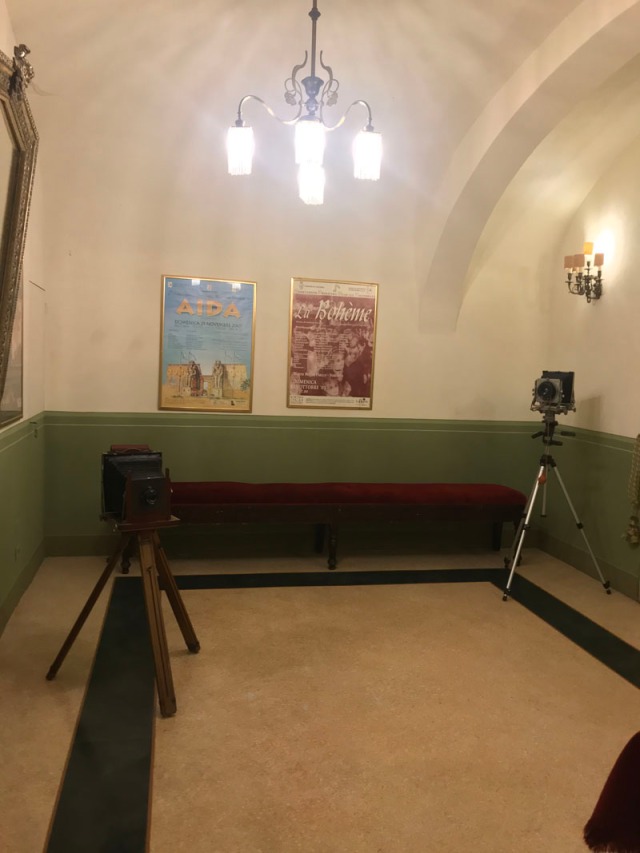

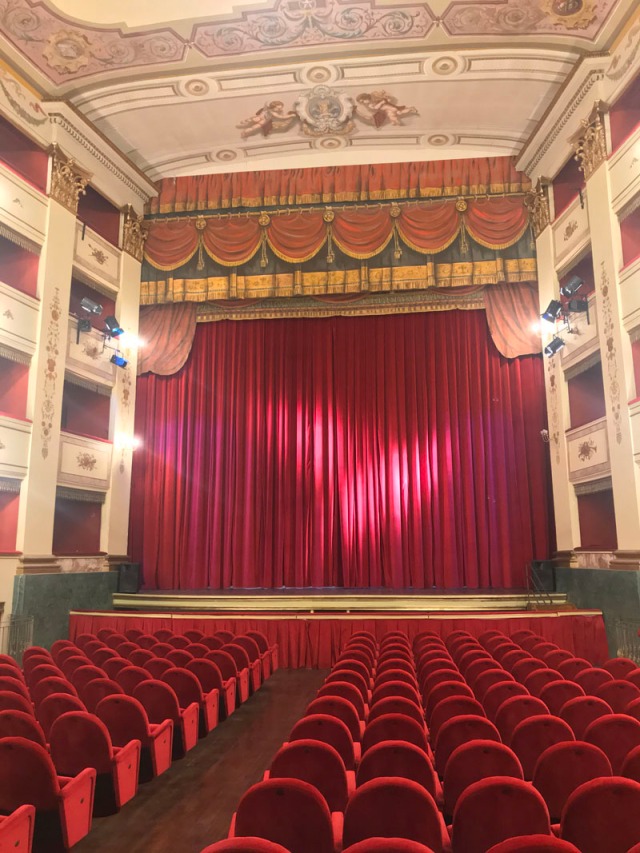
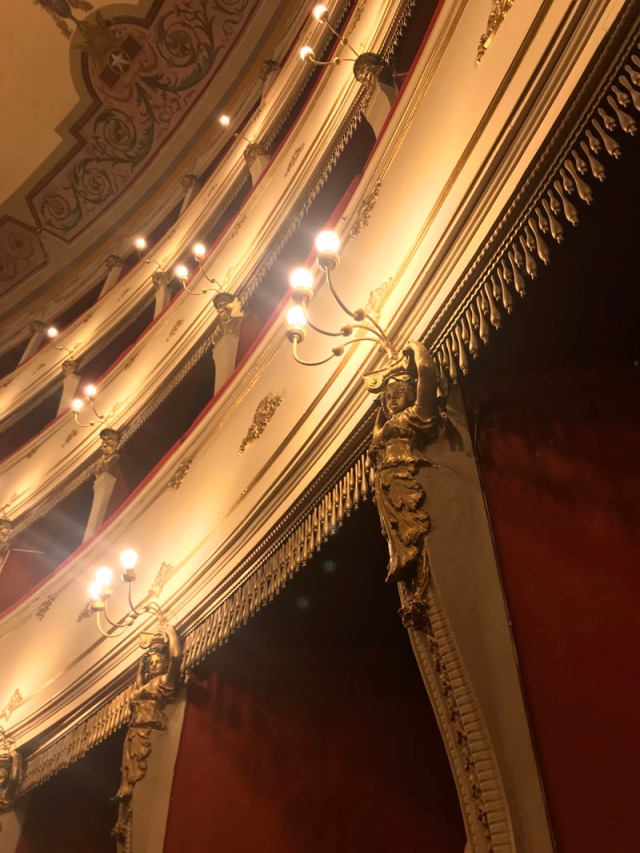

The other two went home, while I walked the town myself, taking snaps. I went past Palazzo Viti, but it was only open to organised, pre-booked tours – as were a couple of other places, and I didn’t want to blow the whole night in Volterra’s wonderful pinacoteca (art gallery), where tons of renaissance and pre-renaissance goodies are on display – I will go back there another time and pay.
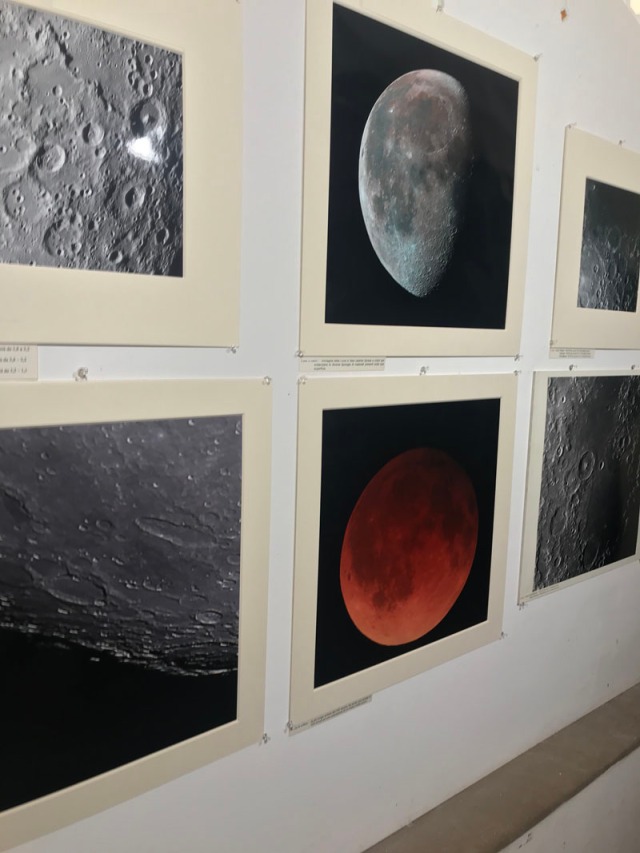
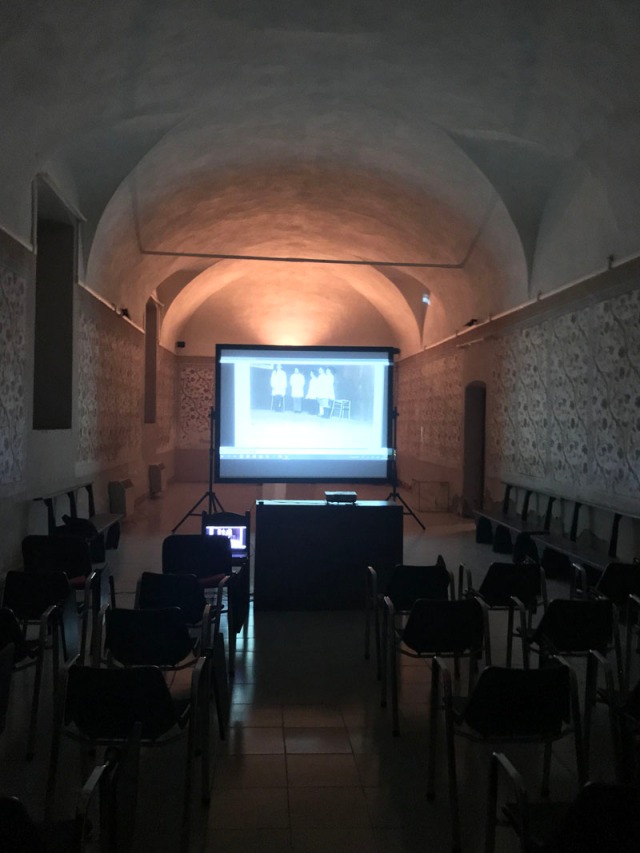
After a quick stop at a small exhibition by the astronimical observatory near Volterra, I walked to the prison, to see if there was anything else happening on the other side of town. About three-quarters of the way there, I remembered they’d opened part of the prison – but they were closing up by the time I got there. Fortunately, the lady told me that they were opening tomorrow (Sunday) from midday to six o’clock. My Italian comprehension is improving all the time!
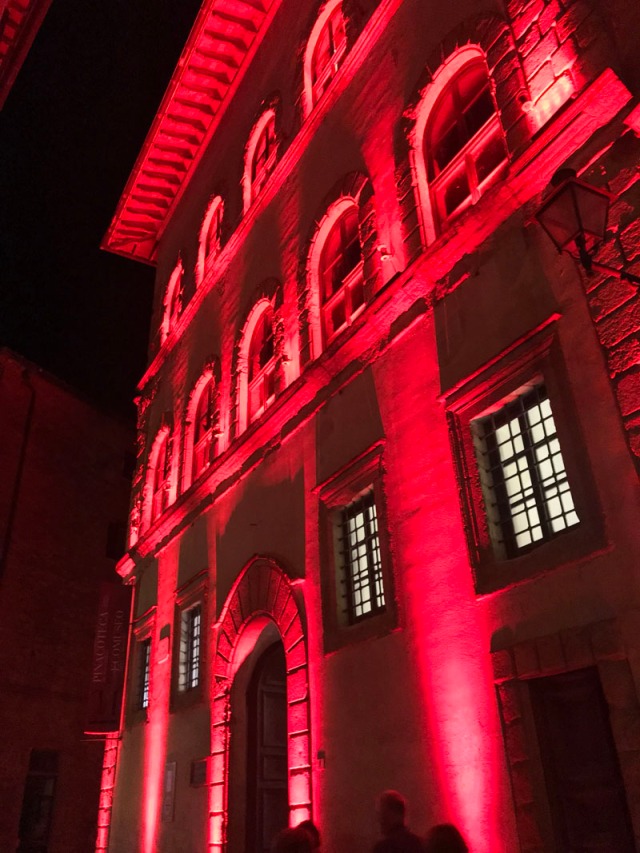
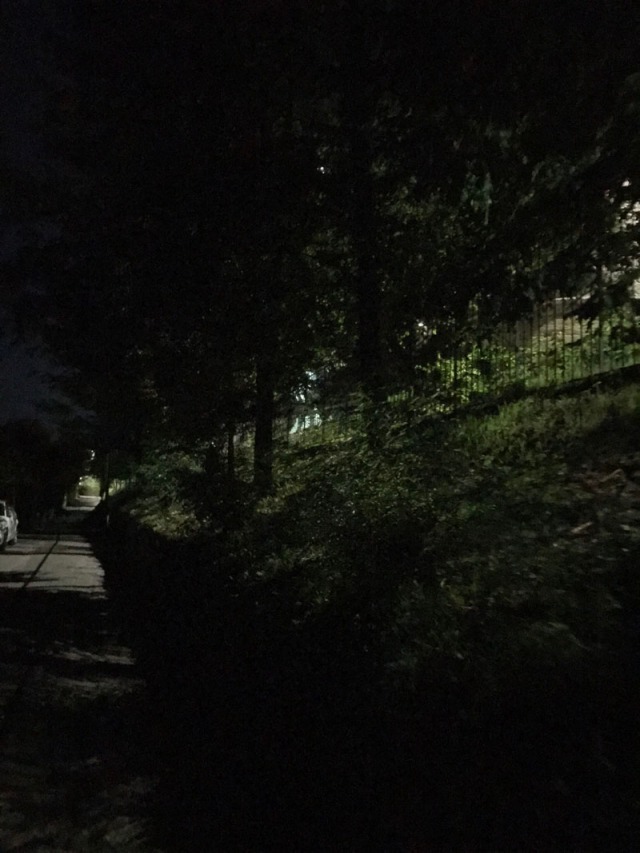

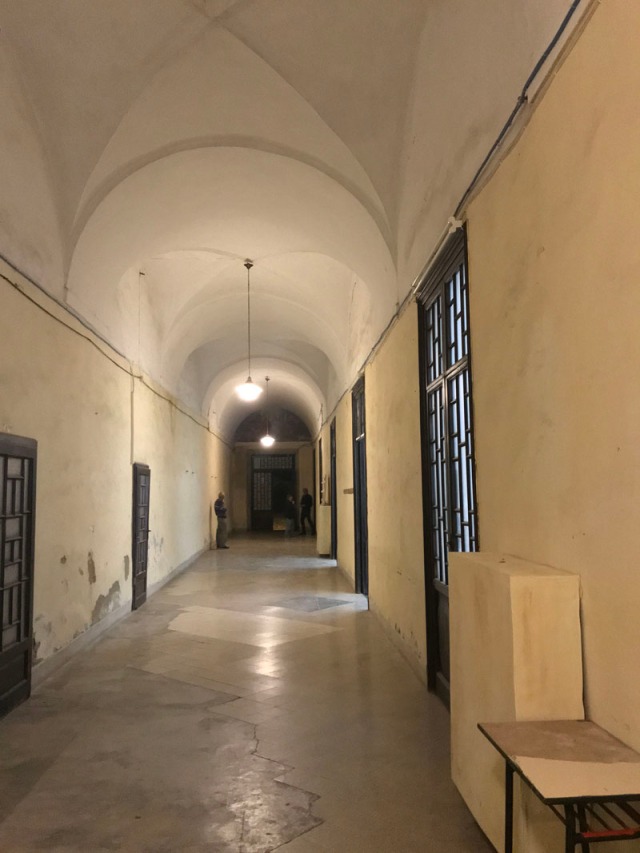
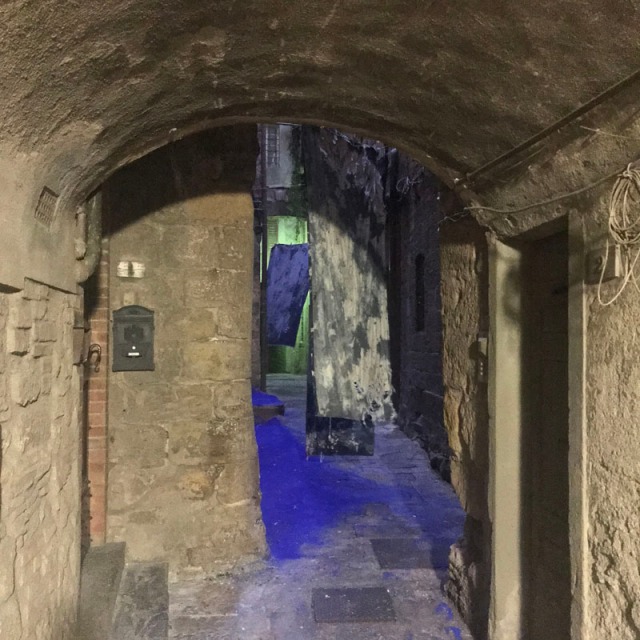
Fortunately, another building was open for the night – it seemed to be a dance school. Behind it, though, was one of the creepiest gardens you’ll ever walk in at night. I loved it!
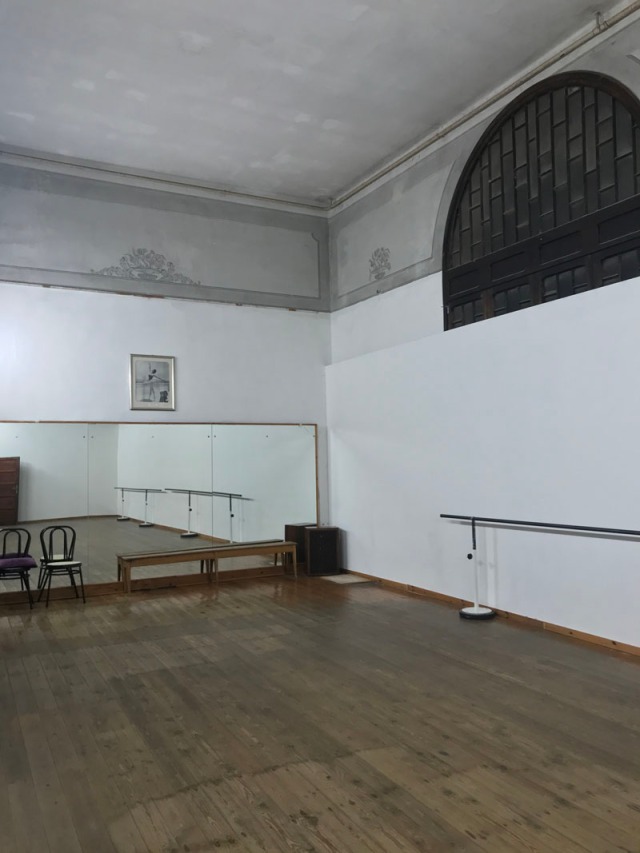
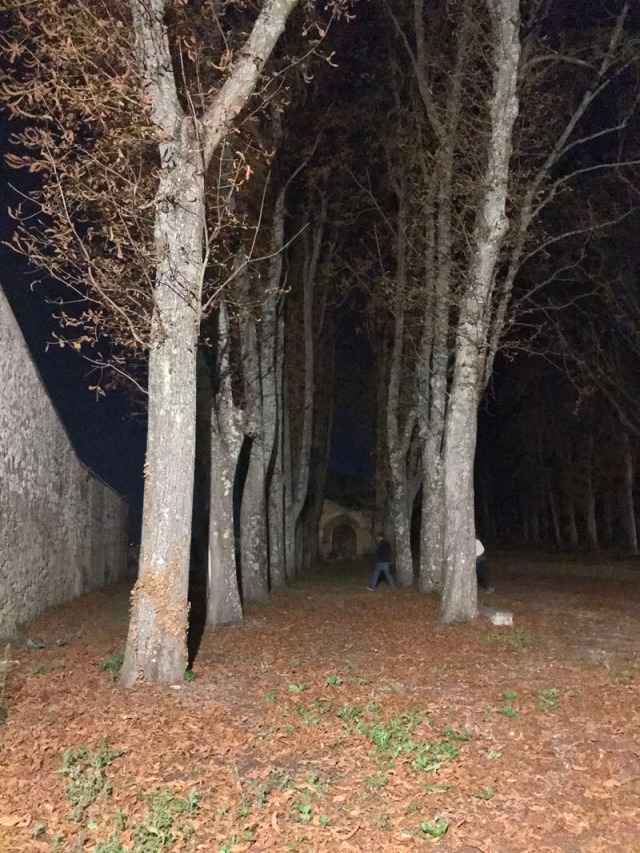
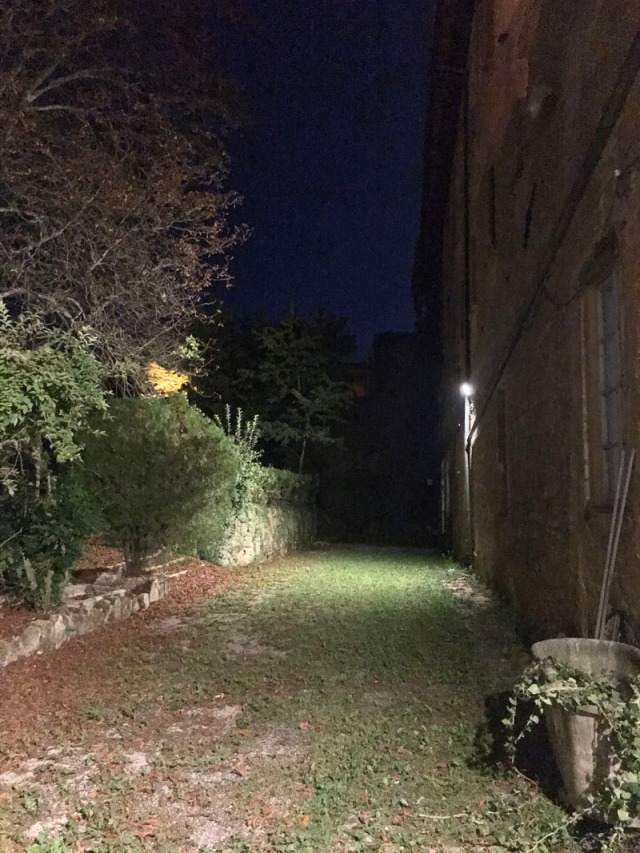

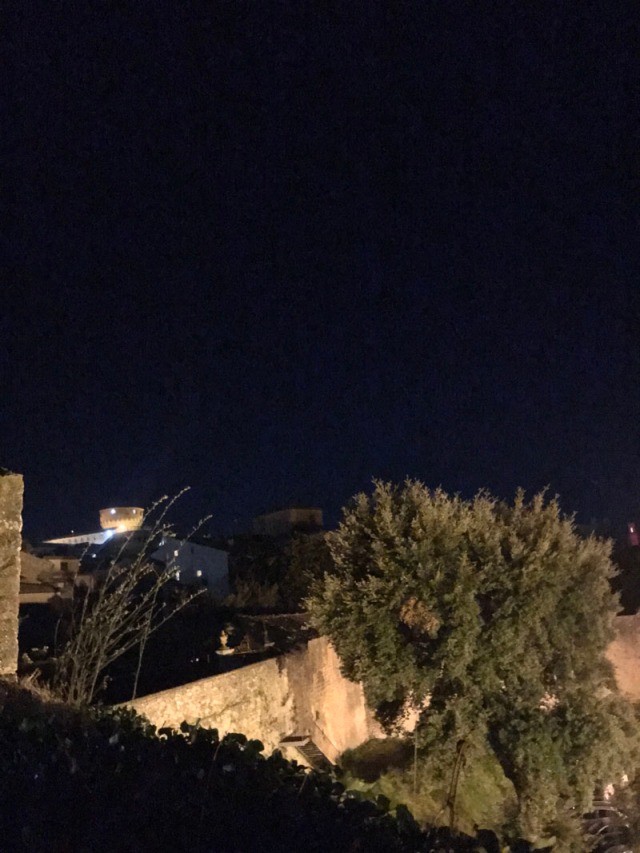
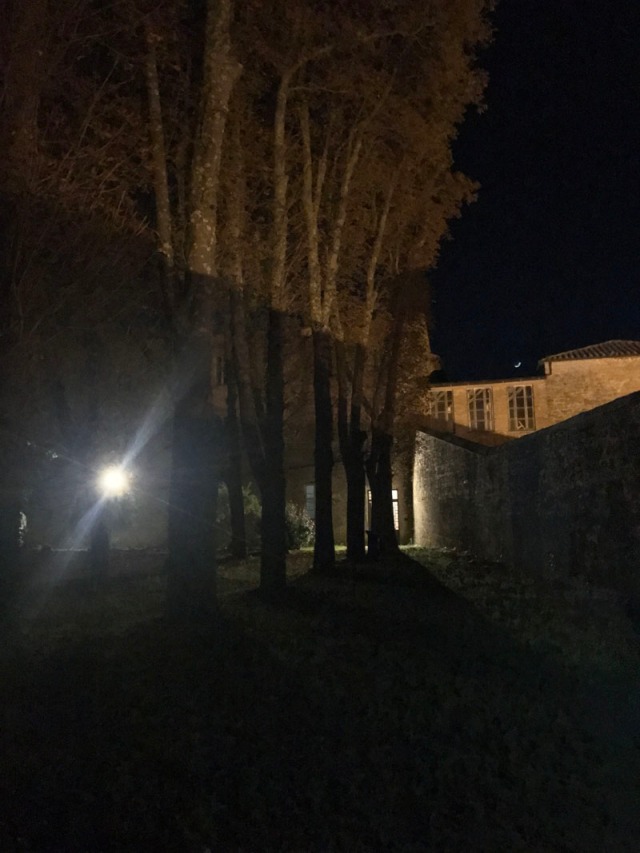
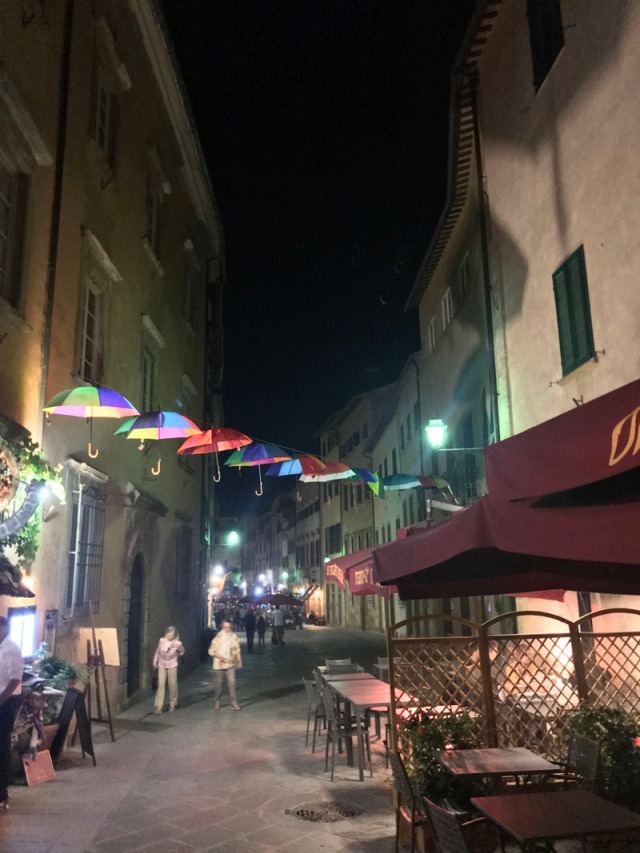
On the way home, I stopped off at a cute little model railway. I skipped the Guarnacci Etruscan Museum (I’ll document that some other day), and the Sacred Arts Museum – I already blogged a visit to that place here. A nice band of aul’ fellahs was playing on Gramsci – so I stayed to listen to one number and then headed for home.
The crossroads of Gramsci/Matteotti (the latter being the road our apartment is on) was the busiest I’ve seen it. Being on your own, though, is not so much fun, so I headed off and my head hit the pillow around 11:25…

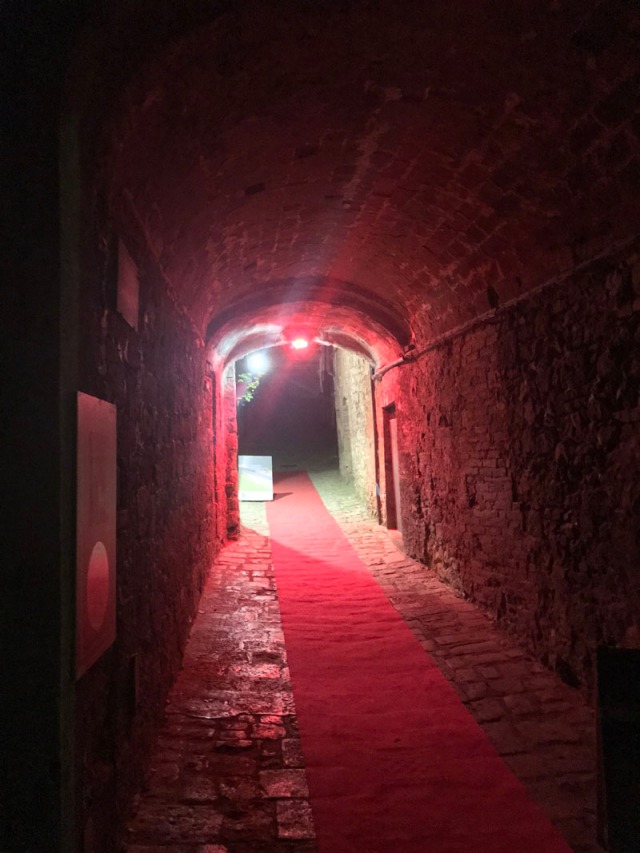

…only to be woken up about an hour later by the most tremendous salvo of fireworks I’ve ever heard. It sounded like they let them off in the square or the park, and had them explode right over our apartment. Our windows where humming with the noise, and flashes of colour burst through every few seconds. The last time they let off fireworks here, they lasted about 30 seconds, so I didn’t bother getting dressed this time. I missed a 10-minute display. Typical. Maybe next year!
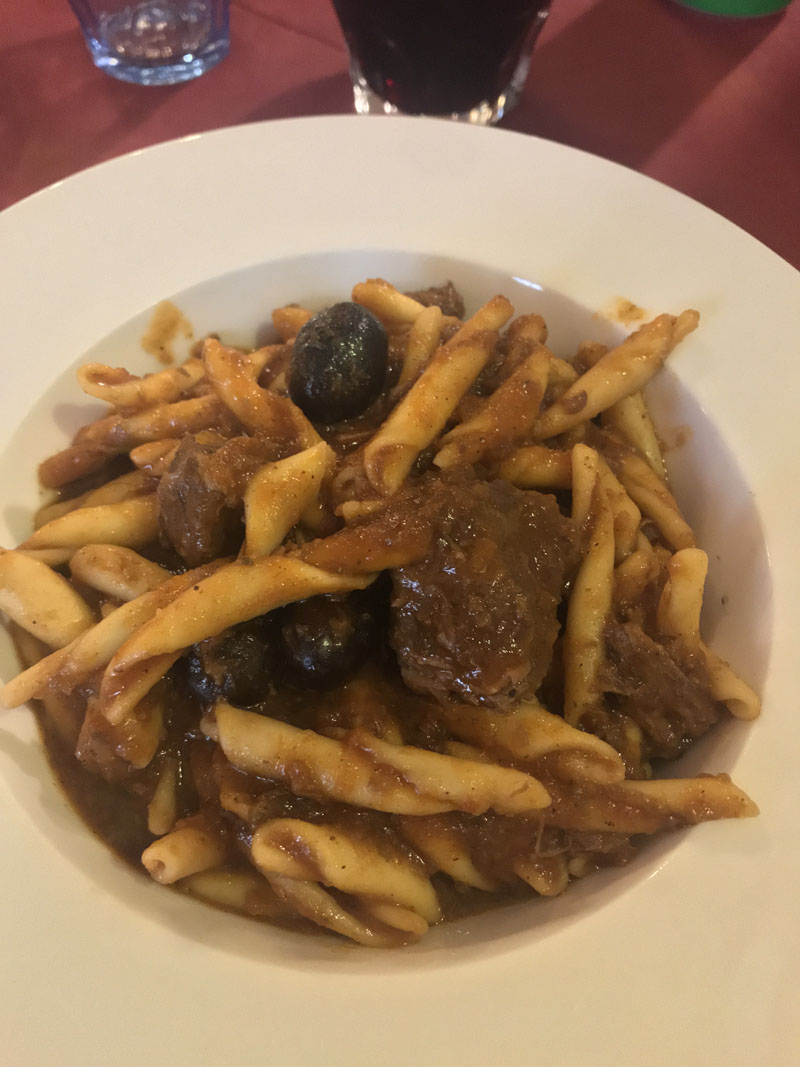
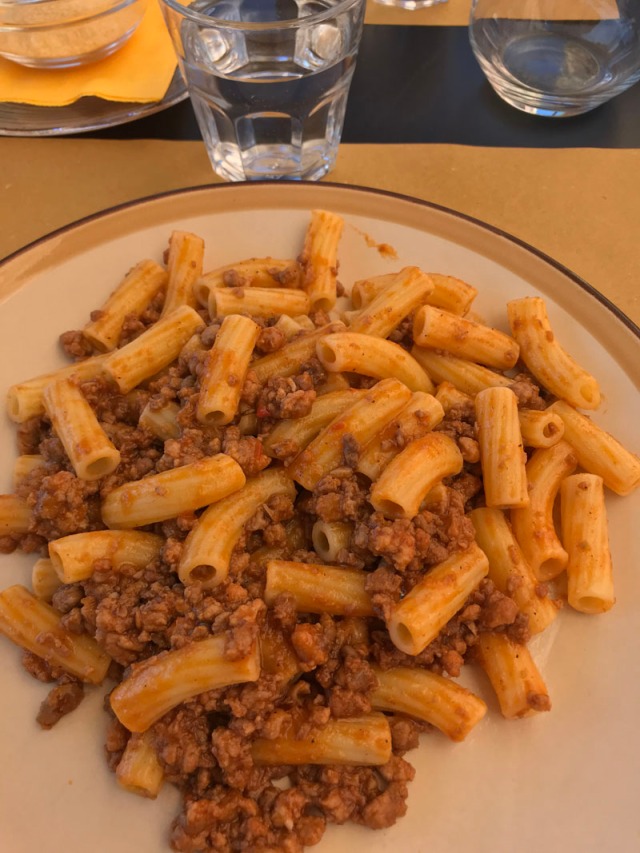
This morning, we had to drop one of our guests off at Pisa Airport. We had a now obligatory stop at the bell tower (nope – I refuse to post photos this time!). On the way to lunch at La Pace, we had a lovely encounter with local artists who painted one of the pieces of art on display in our living room. They are very enthusiastic, and our guest bought themselves a nice piece to take home. We then had a wonderful lunch in La Pace – boar and pasta – quelle surprise!
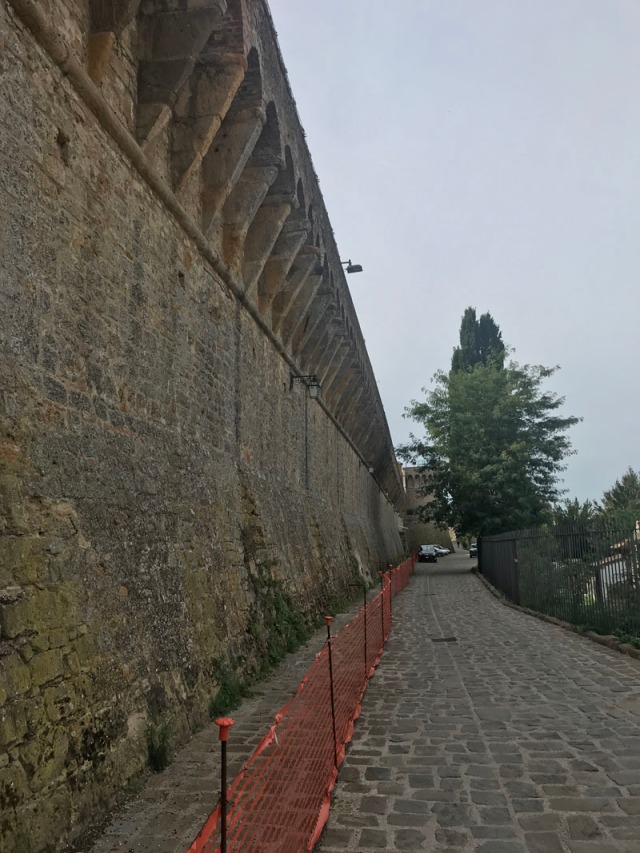
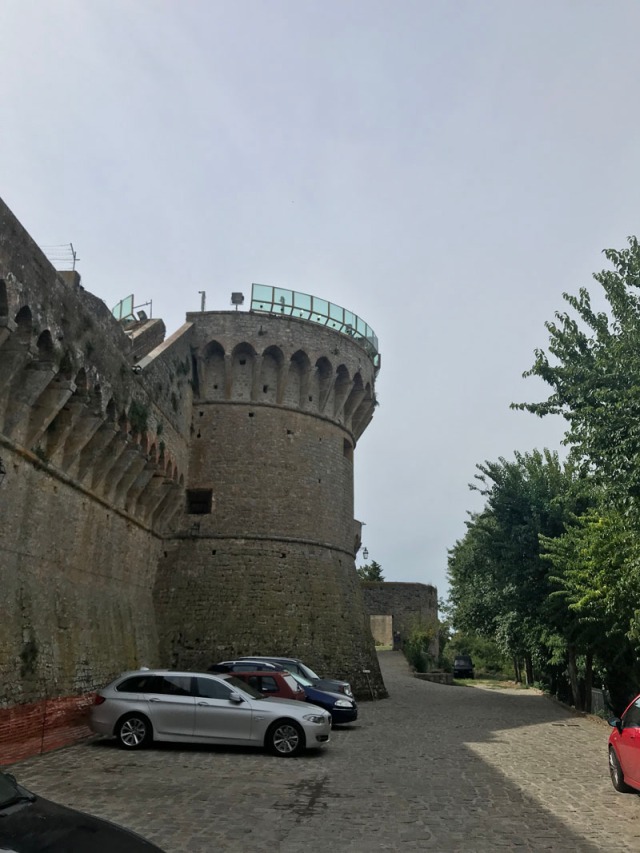
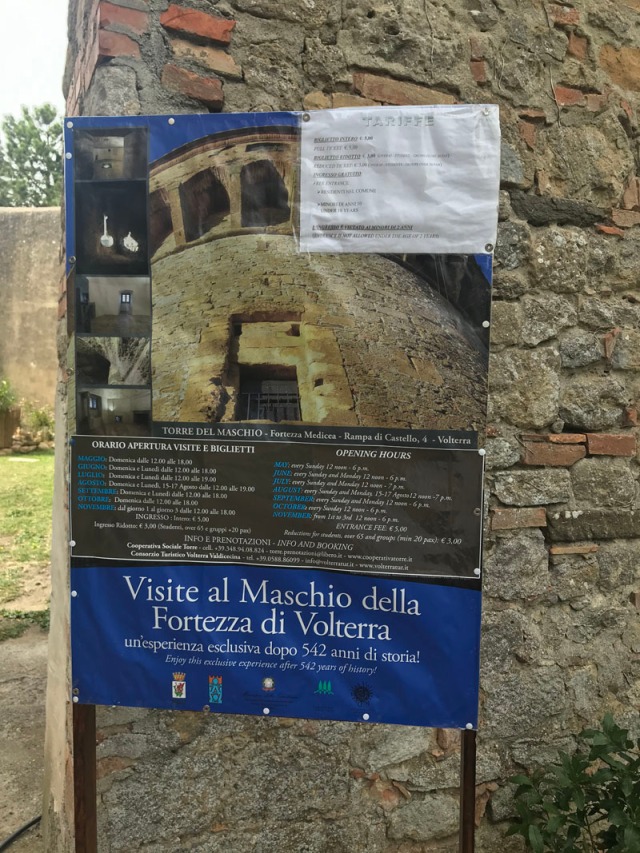
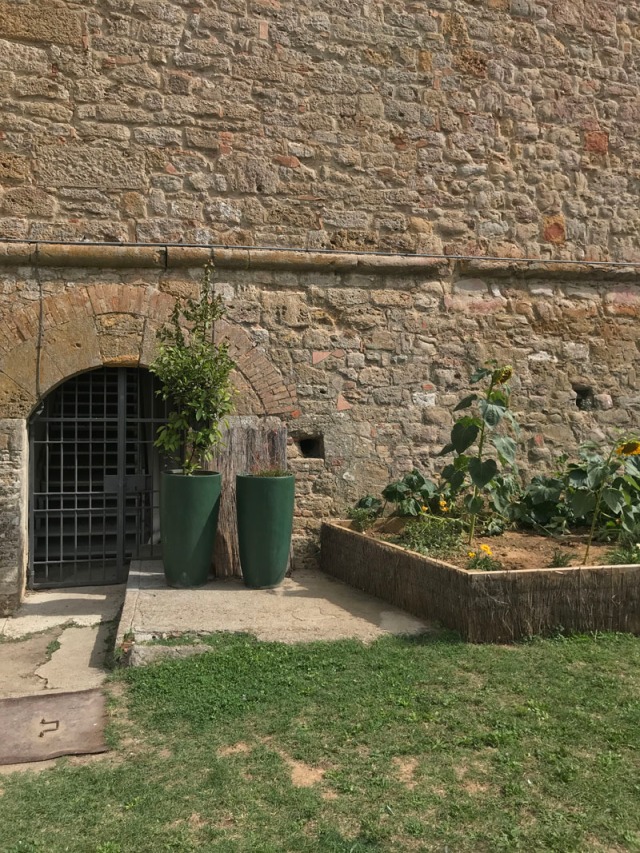
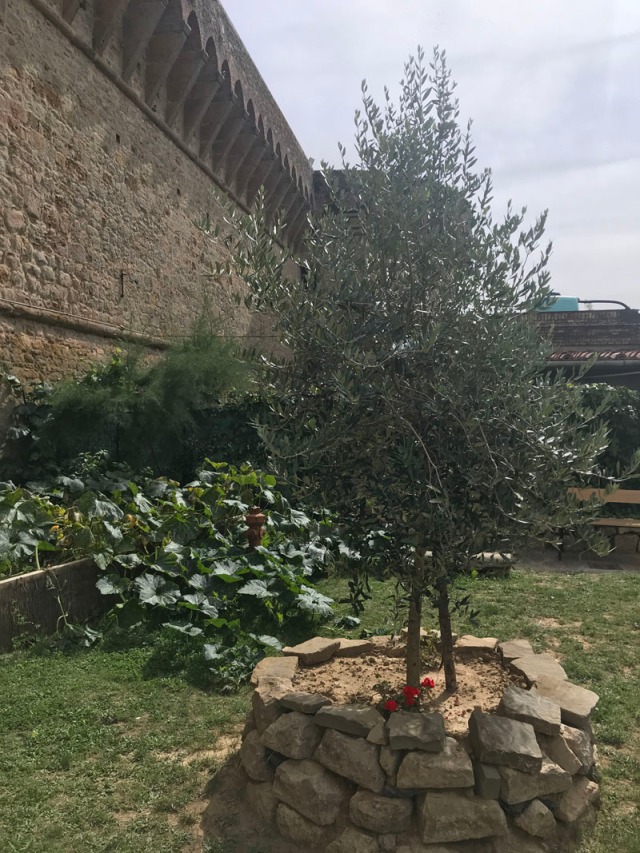
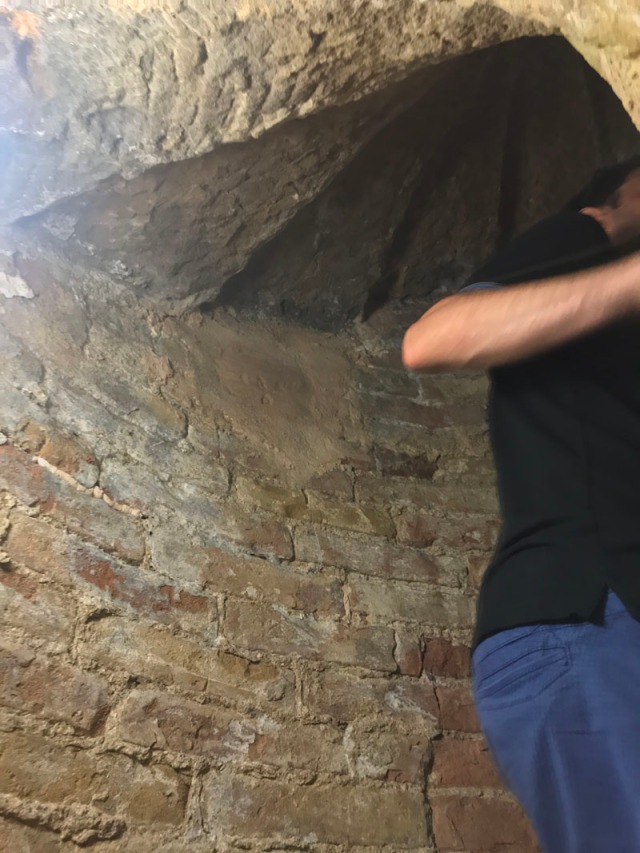
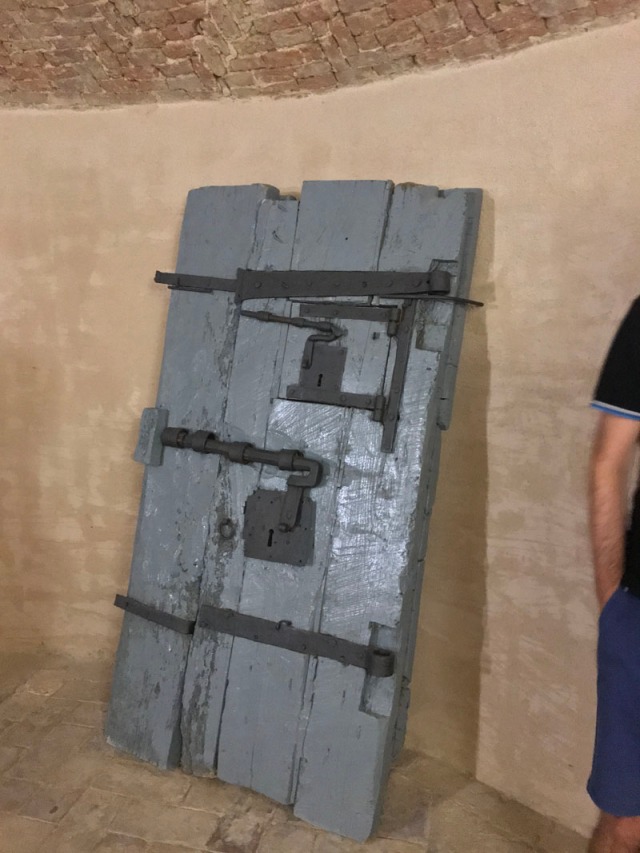
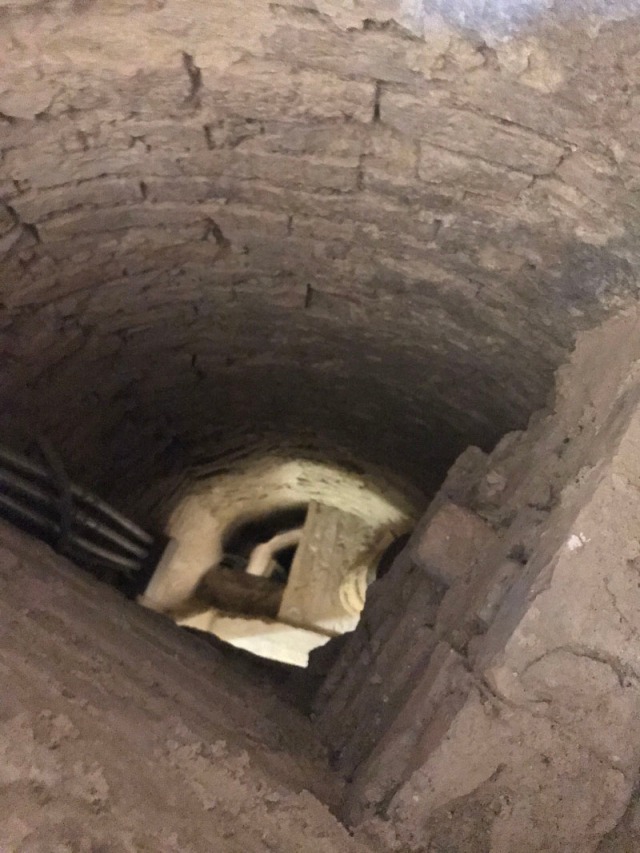
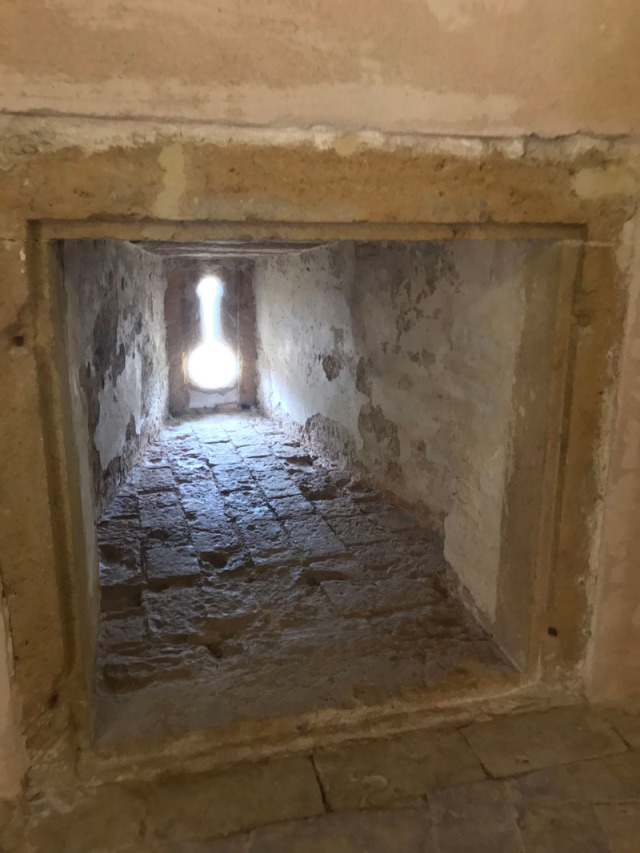
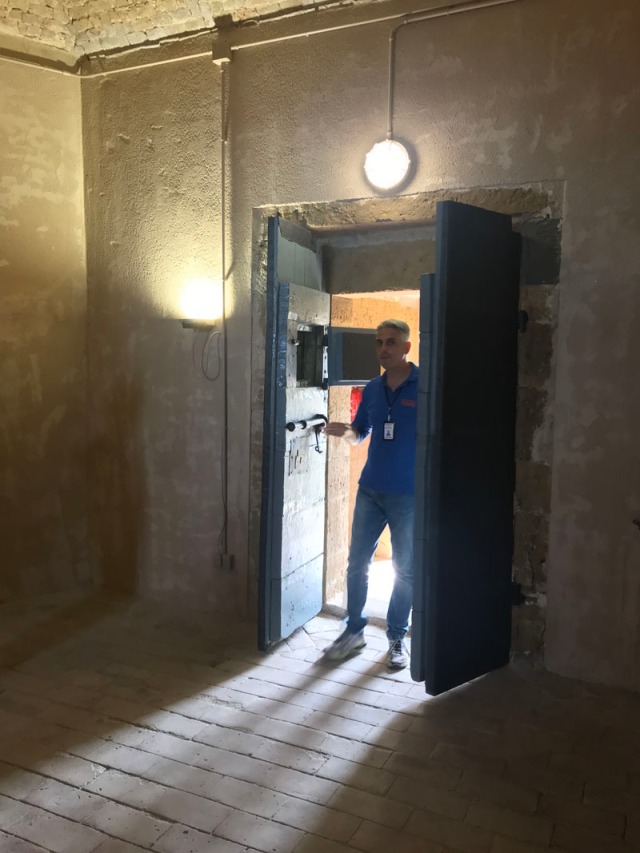
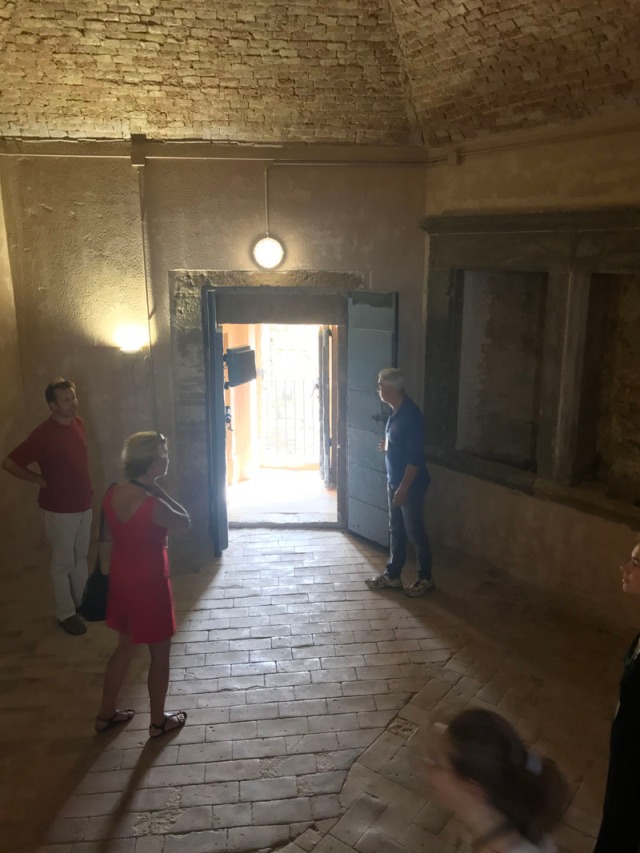
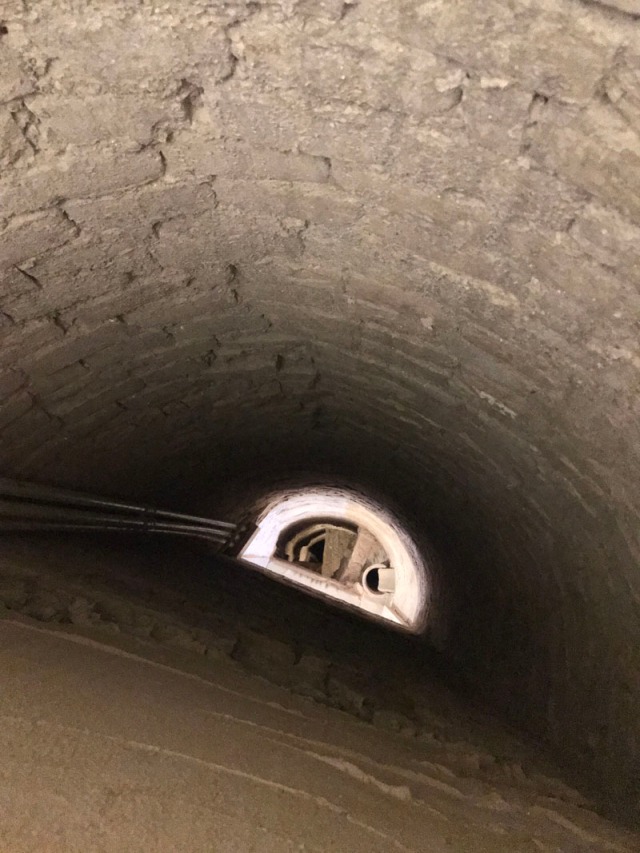
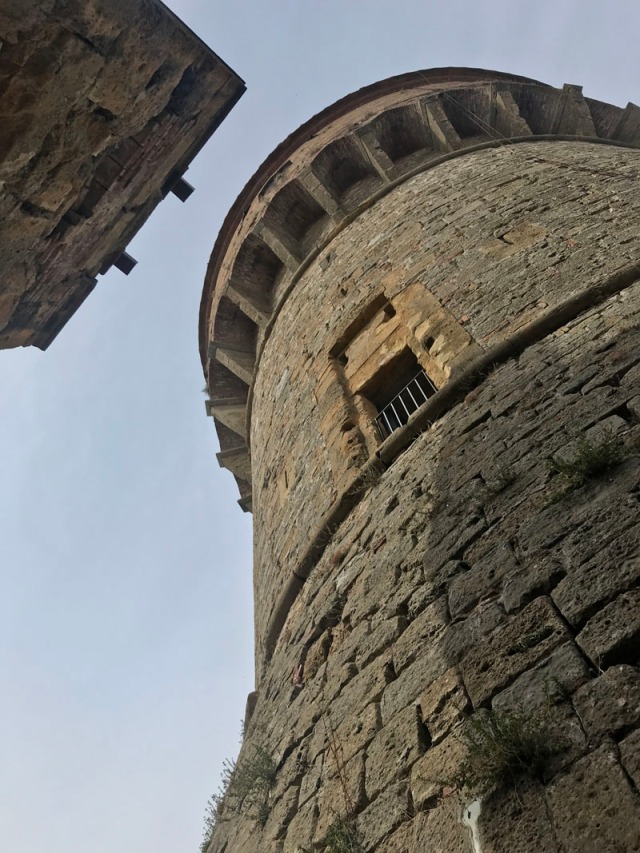
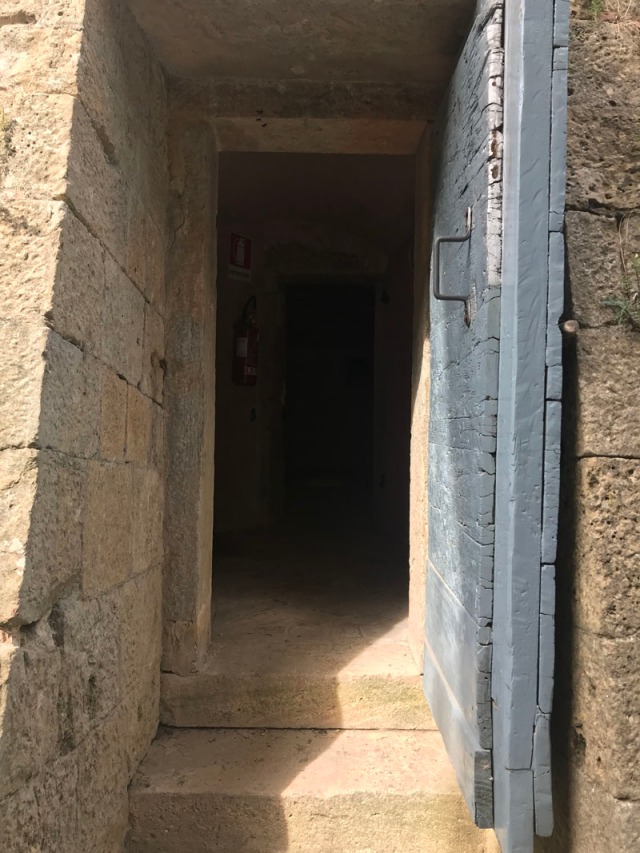
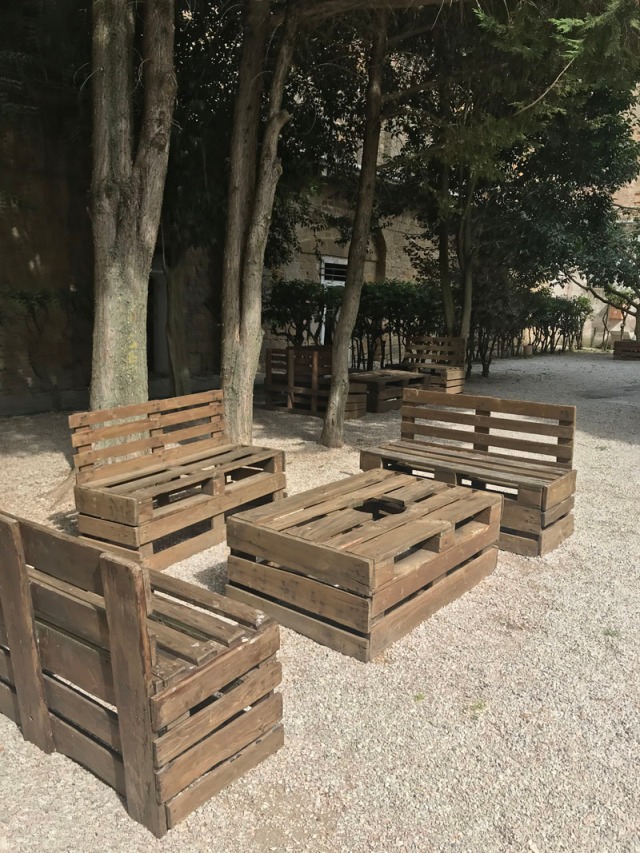
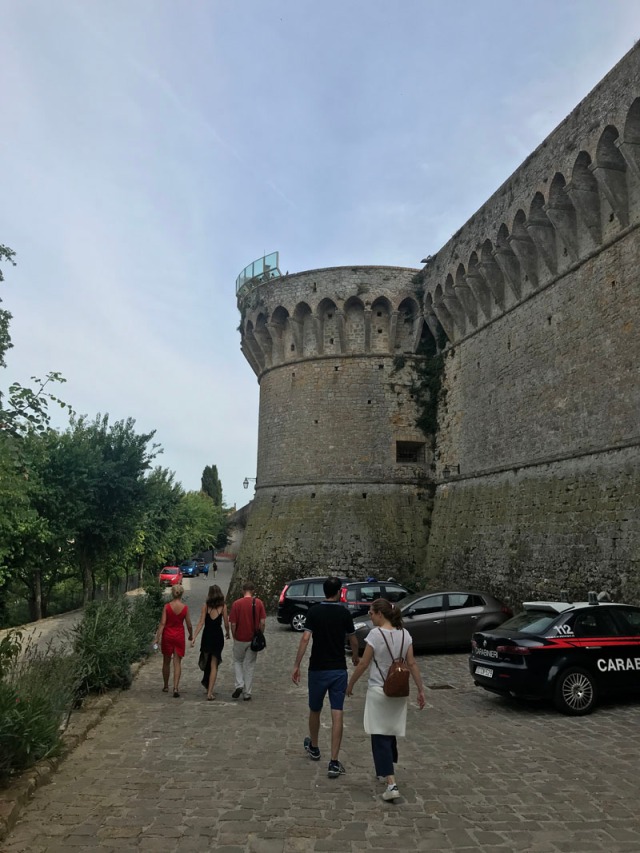
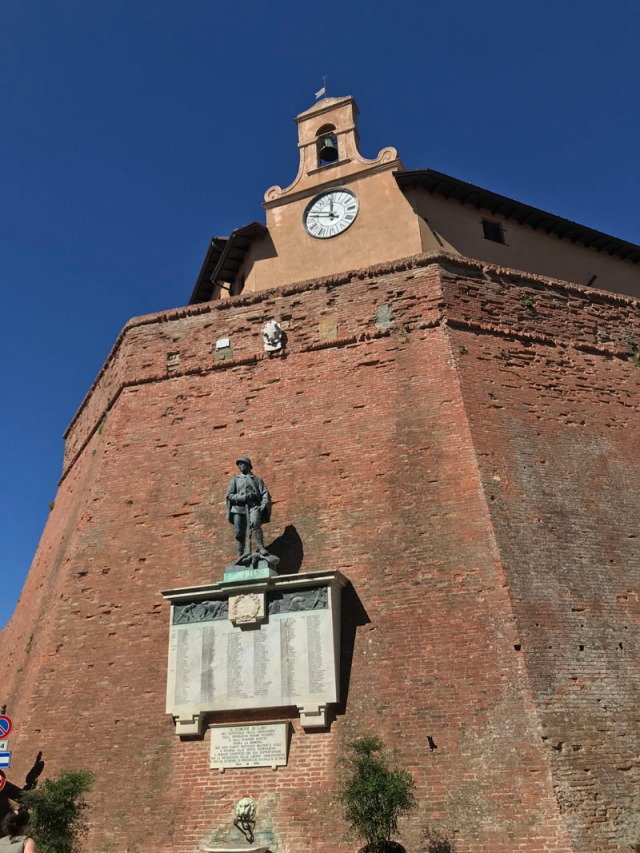
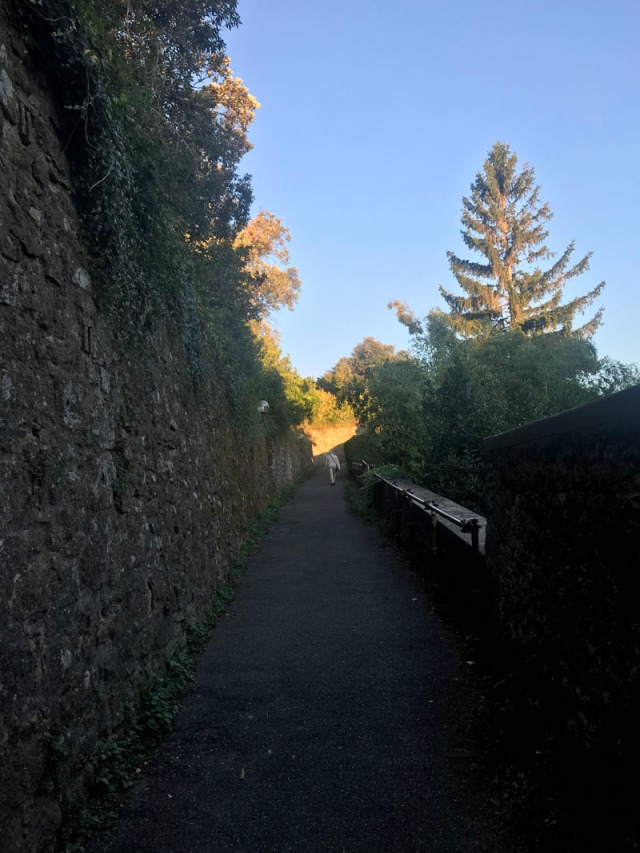
As the restaurant is right next to the prison (housed in a fortress enhanced by the Medici in the 16th century), I took the opportunity to take the open prison walk. It turns out, you only walk one of the walls, into a small garden area, where you can buy a ticket for a guided tour (Italian only) of one of the main towers of the medieval fortress. YASSS!
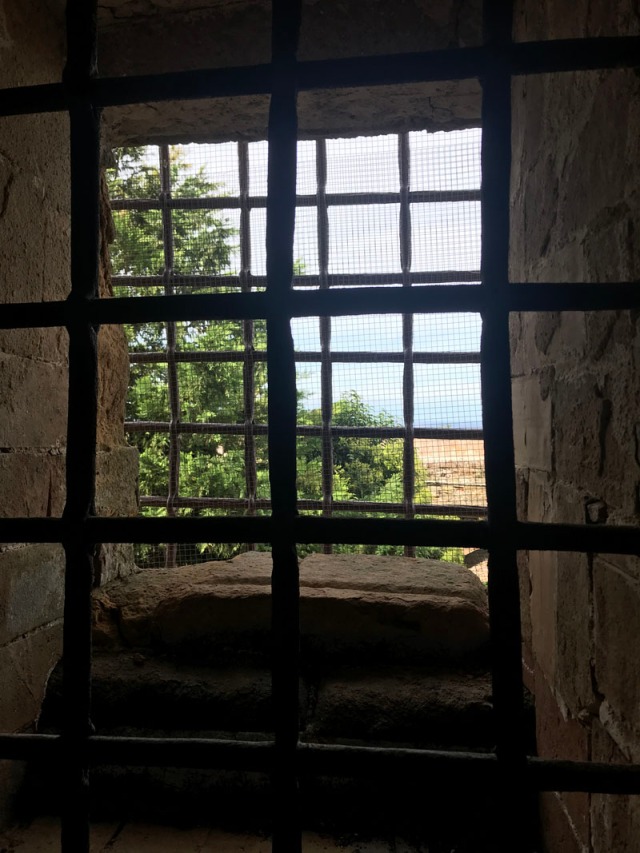
I only understood about 25% of what was being said e.g. one of the 5m diameter rooms housed 12 guards… fun times! You could take photographs freely, except through two windows, which looked out onto the recreation area for the prisoners. A bundle of them were there kicking a ball around, or playing bowls. I’m not sure I like the idea of us spying on them like that, but if some of the entrance fee (€5) goes towards their benefit, then it lessens the guilt a little.

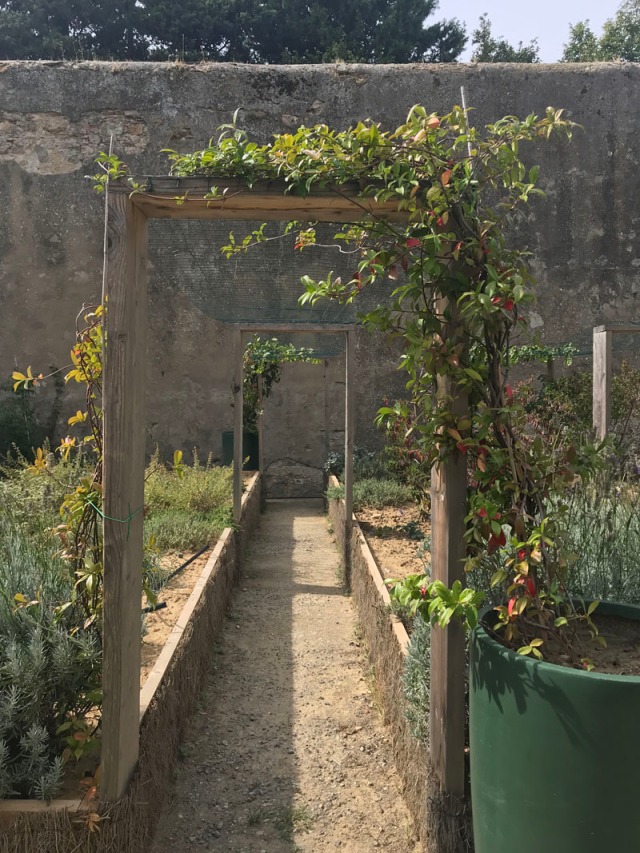
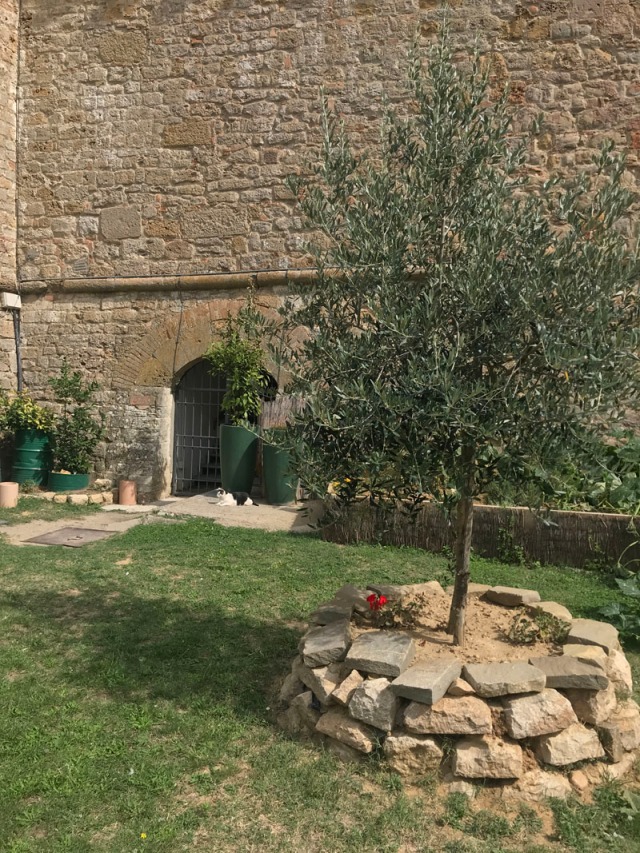
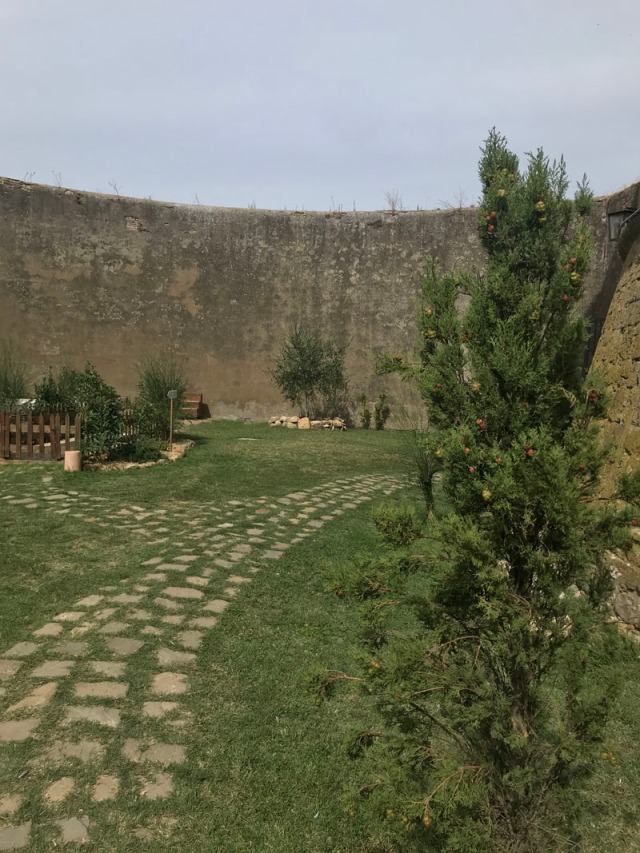
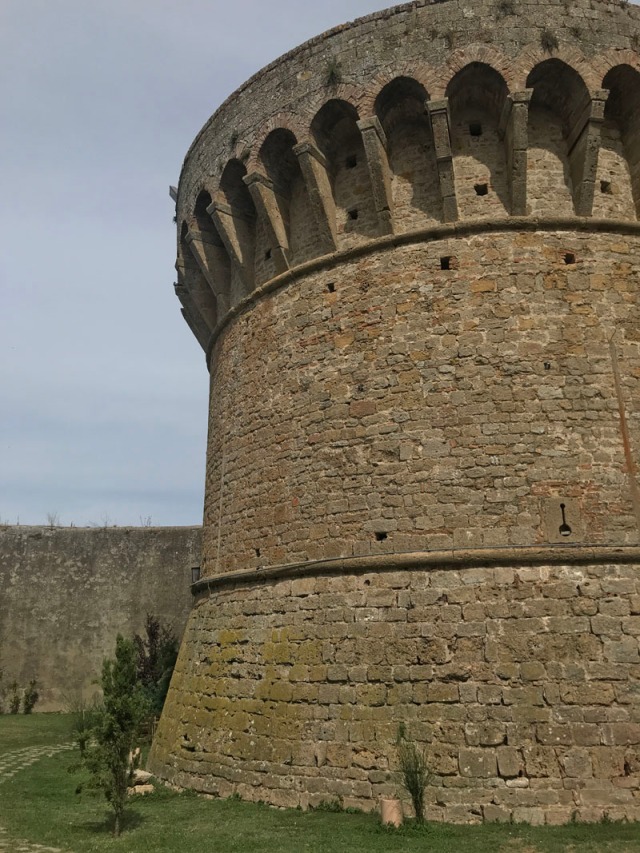
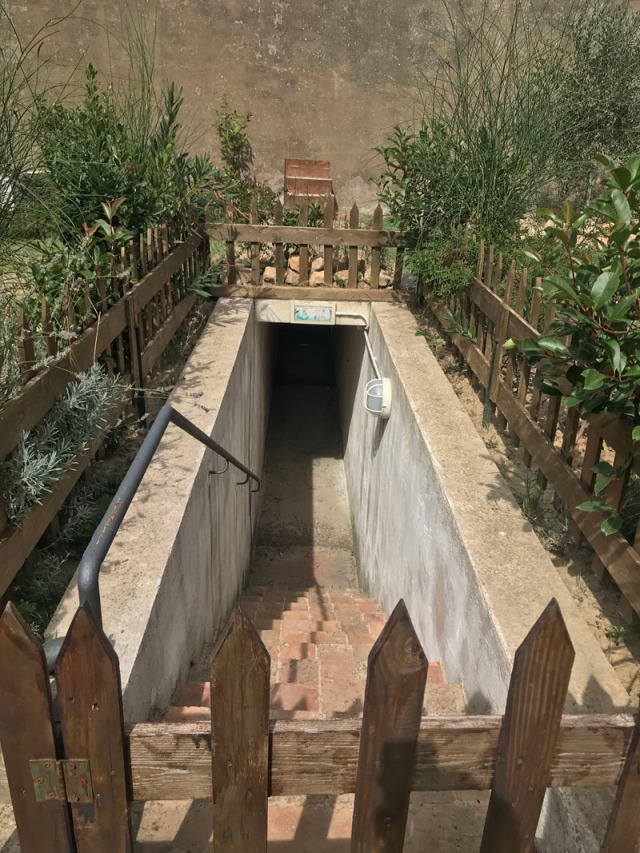
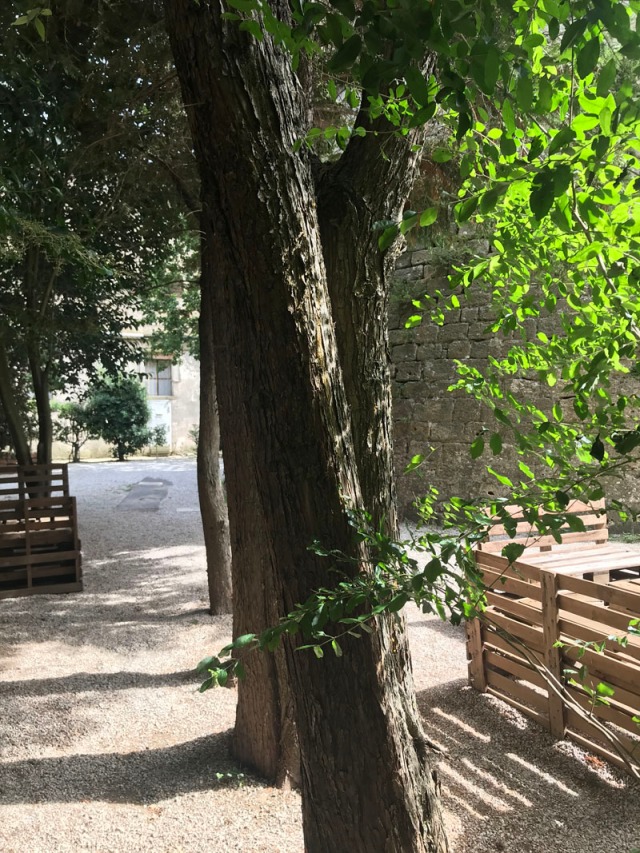
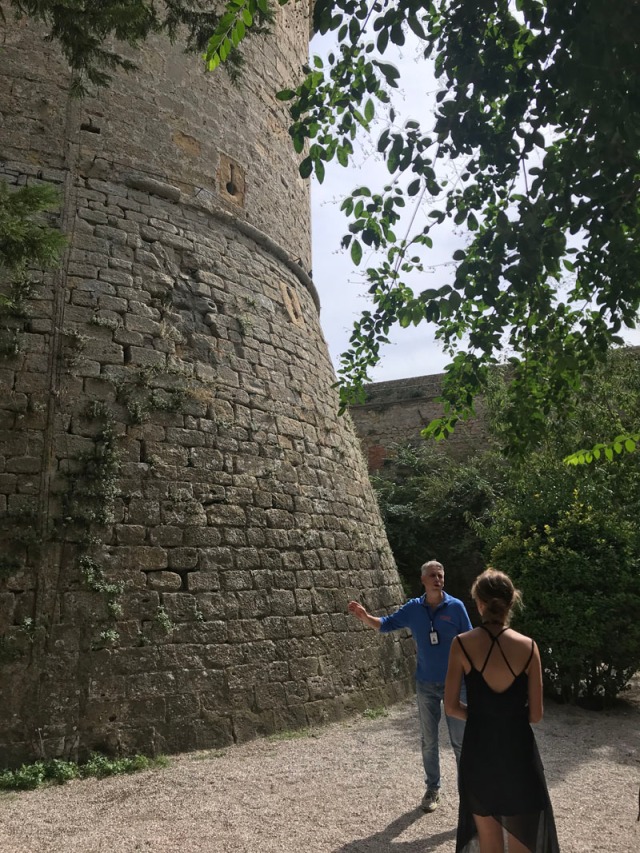

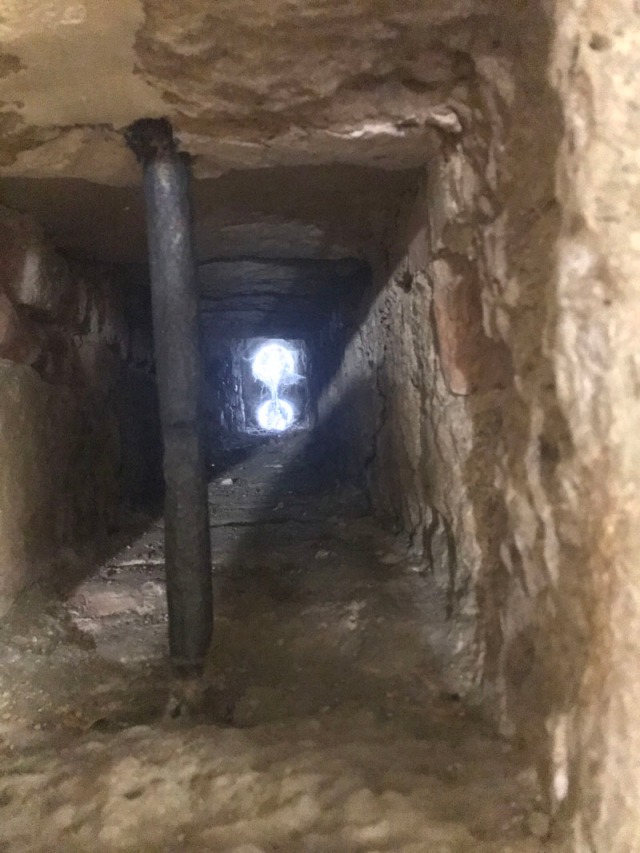

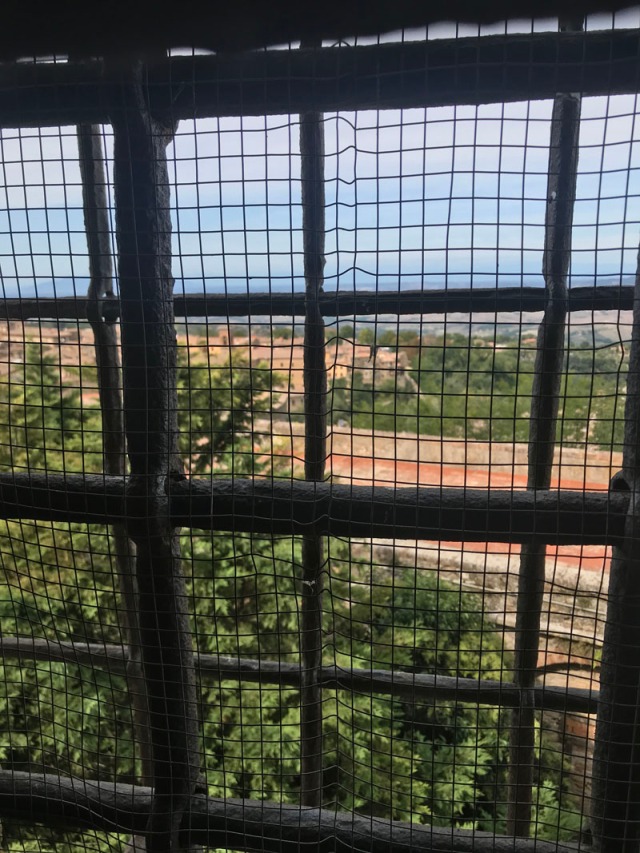
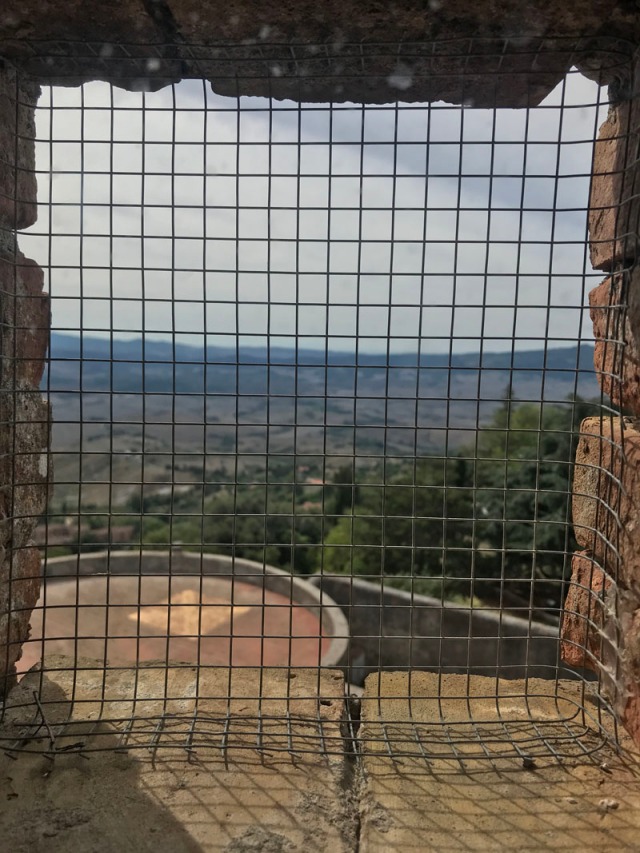
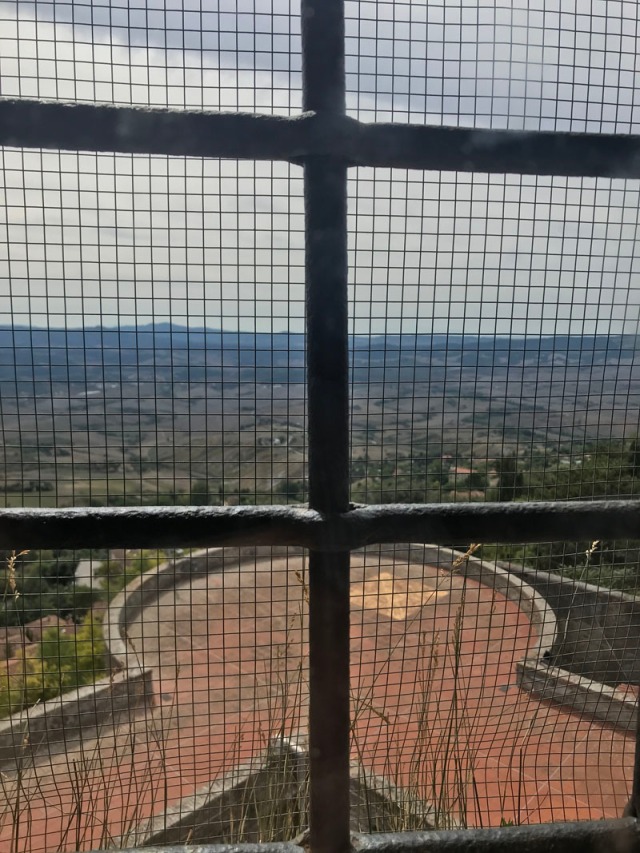
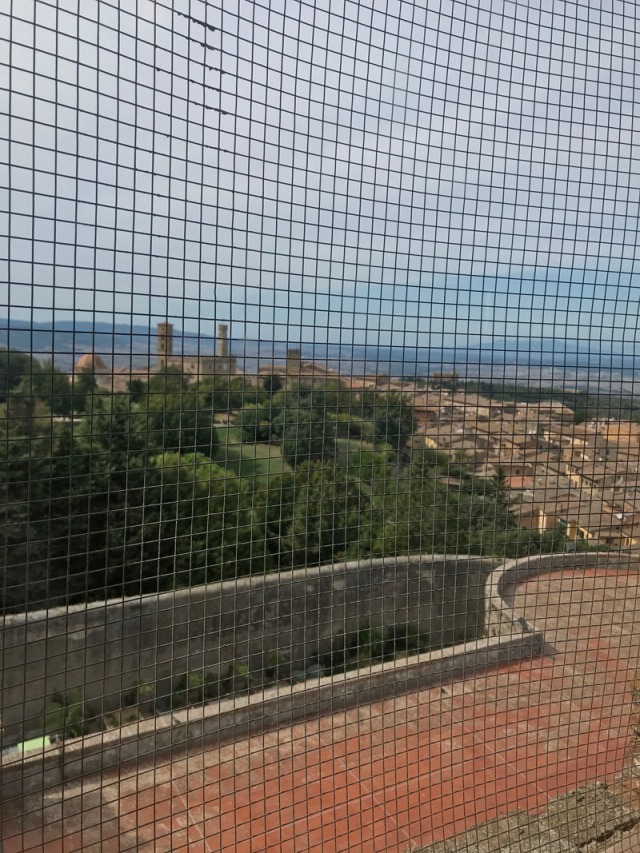
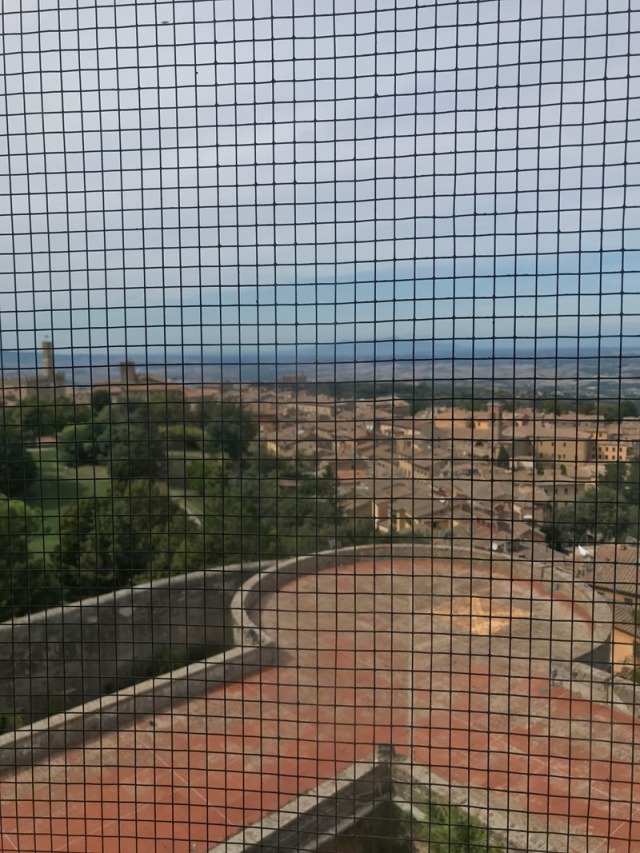

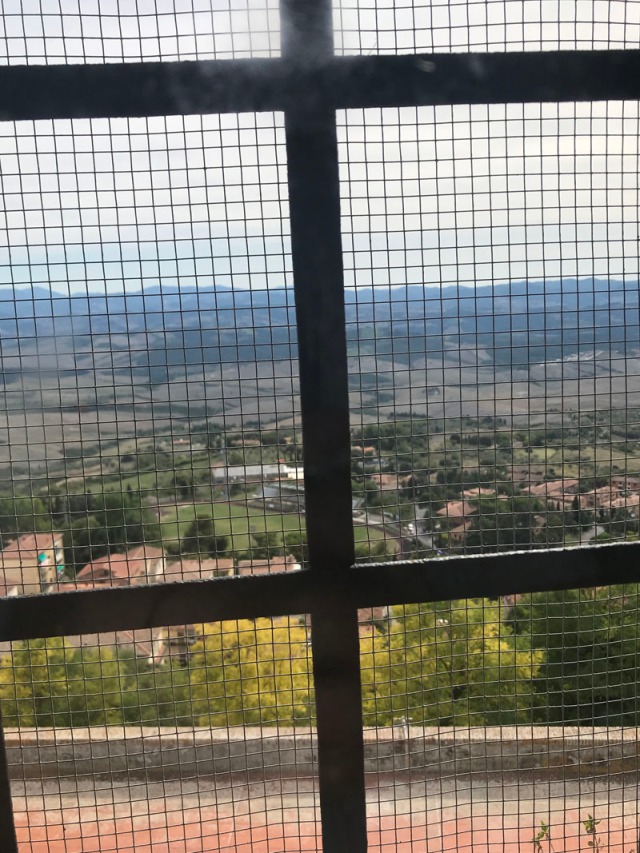
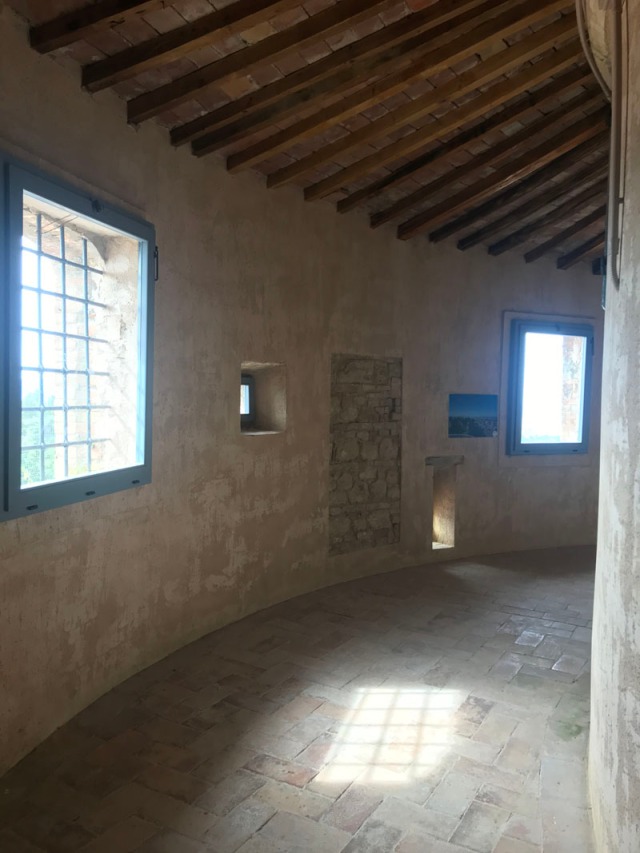
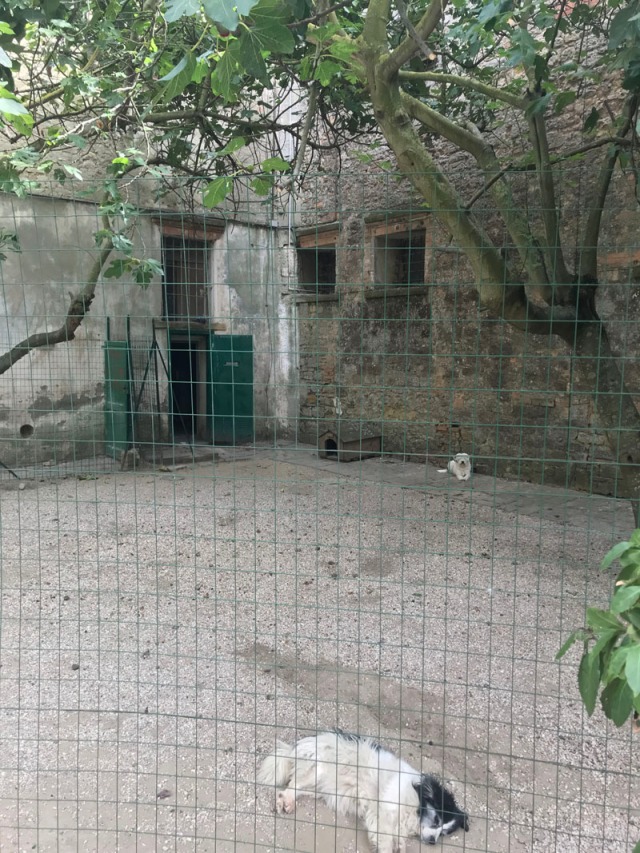

Then I went home, and typed up this blog! You are fully up-to-date. There will most likely be no blog tomorrow, as there will be flip-all to report!
I’ll see you in the next one… A presto!
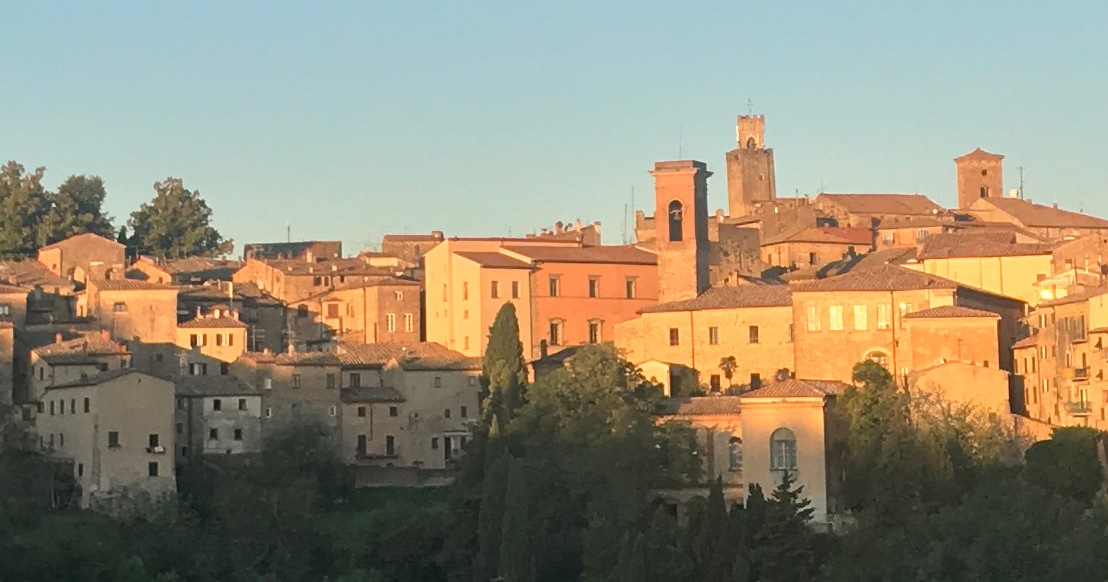

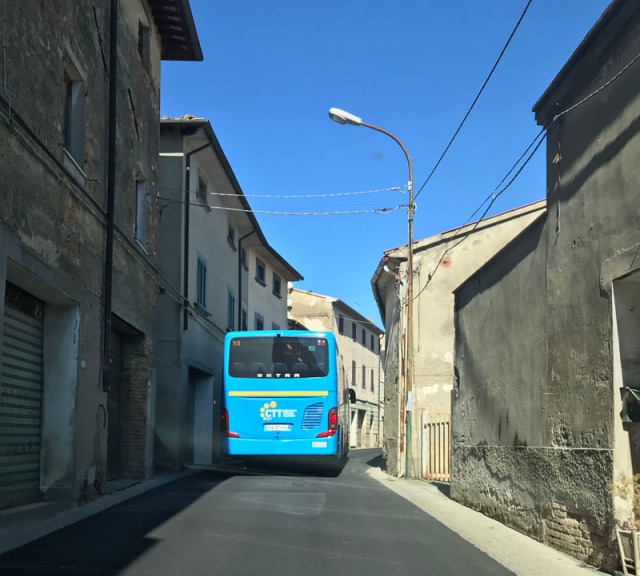
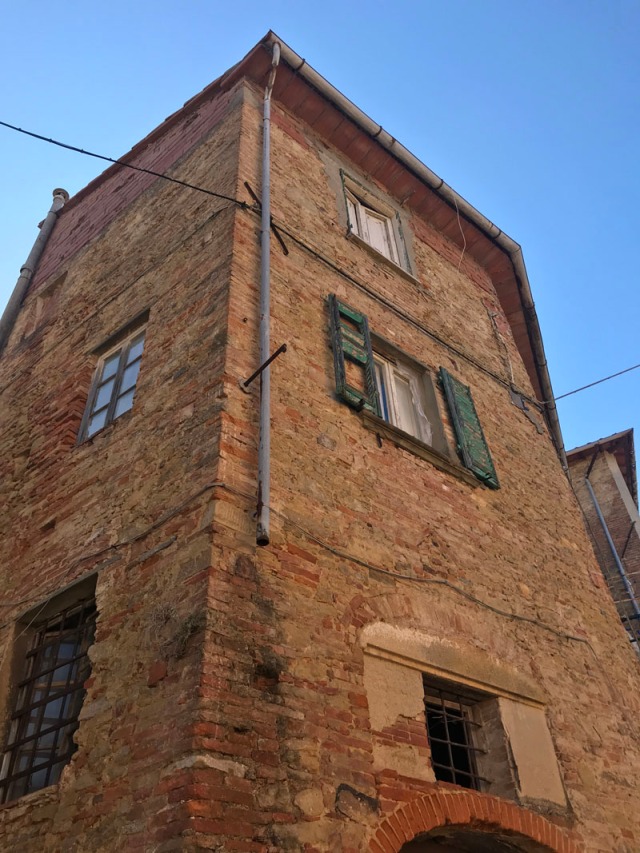
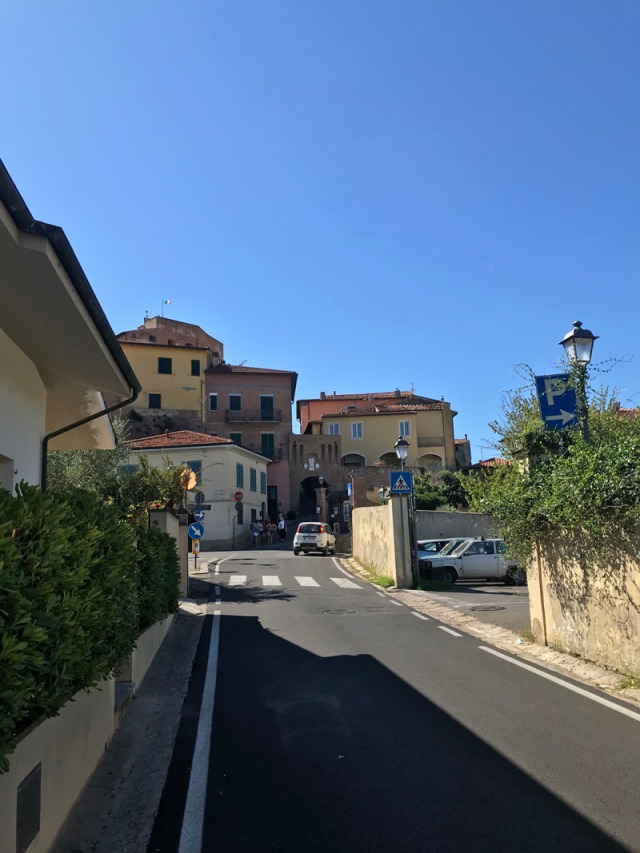
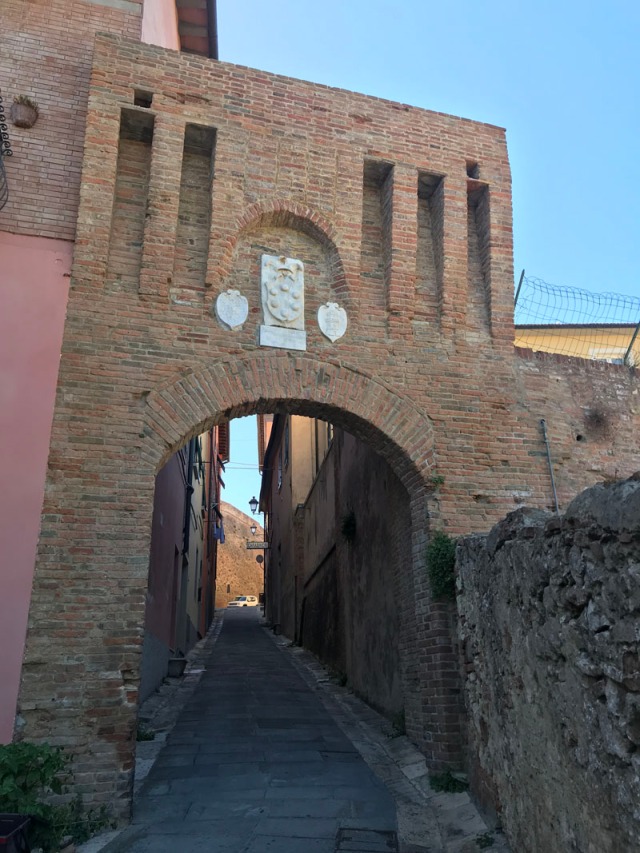

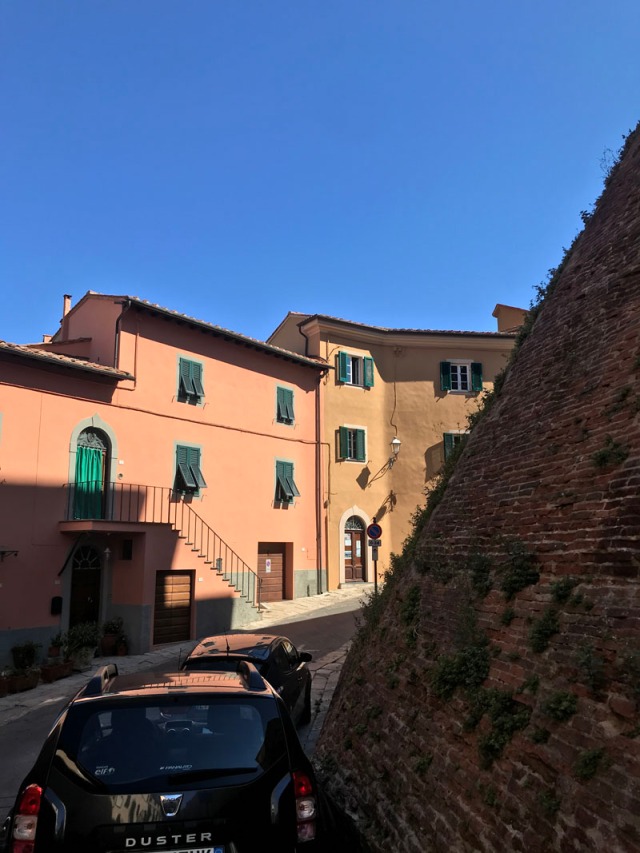
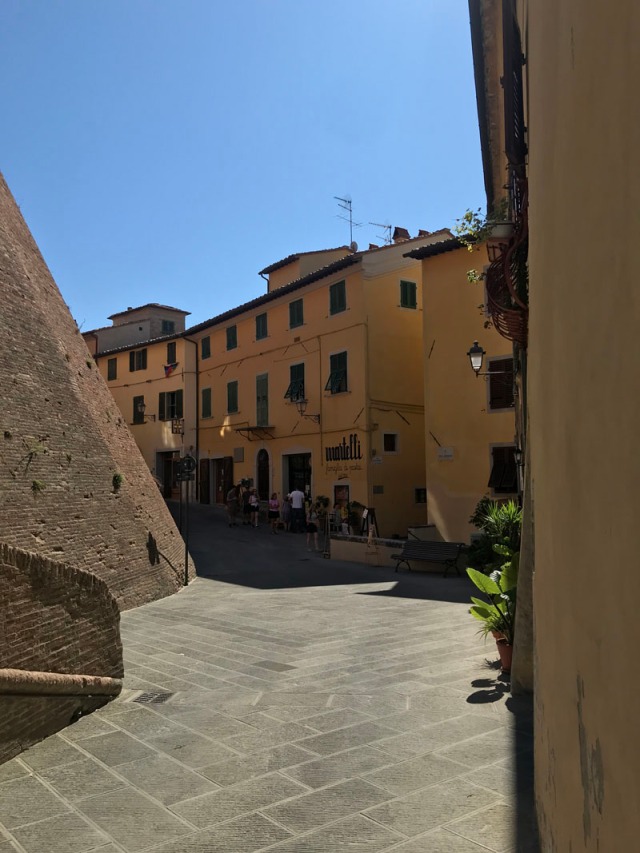
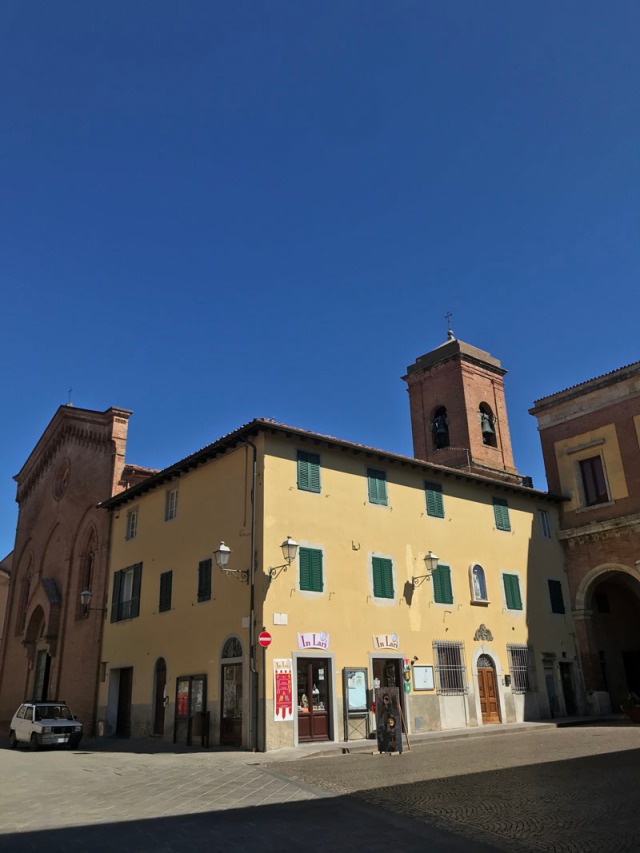
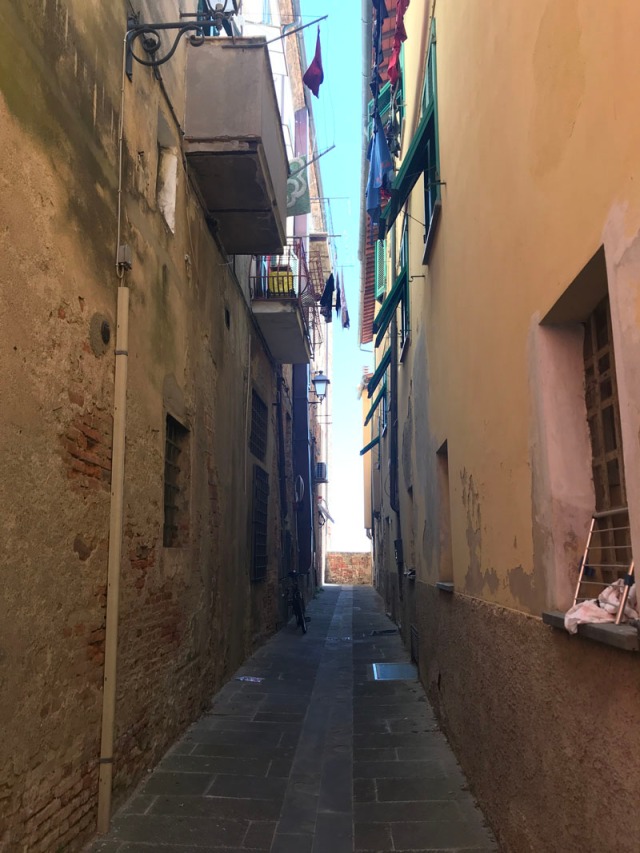


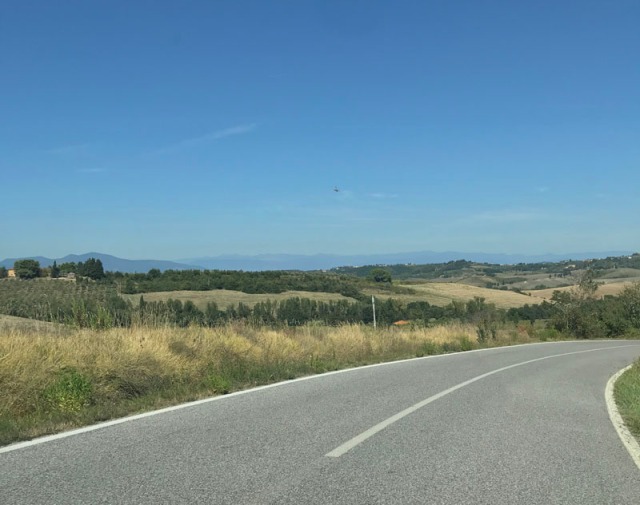
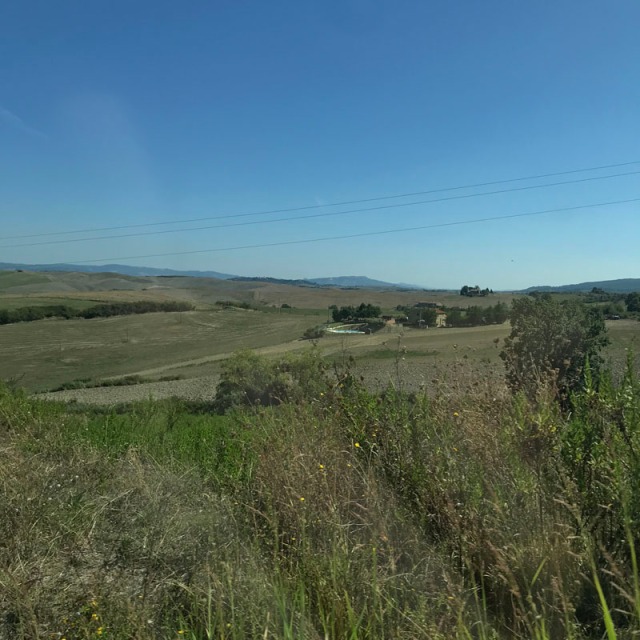
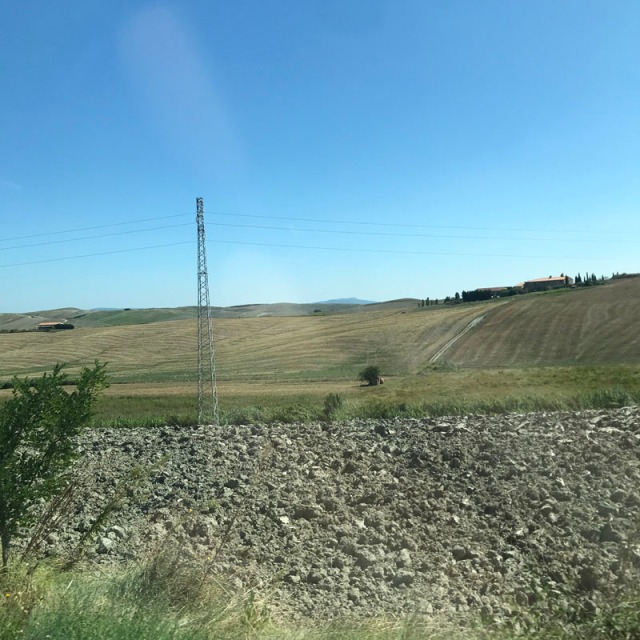
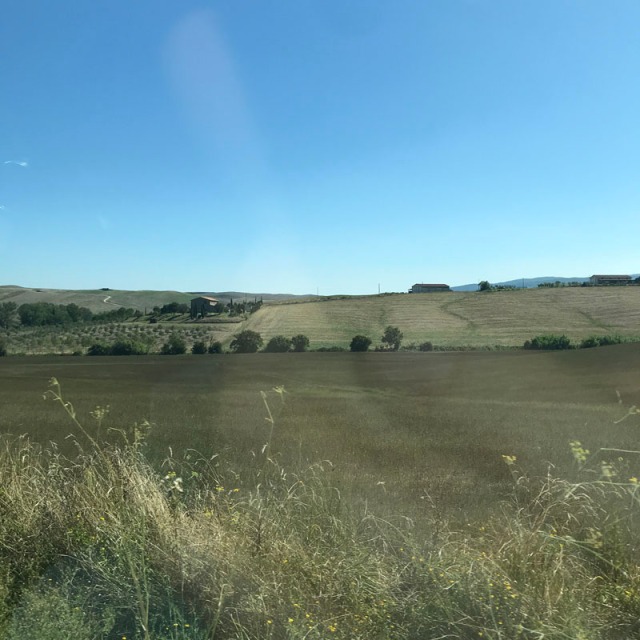


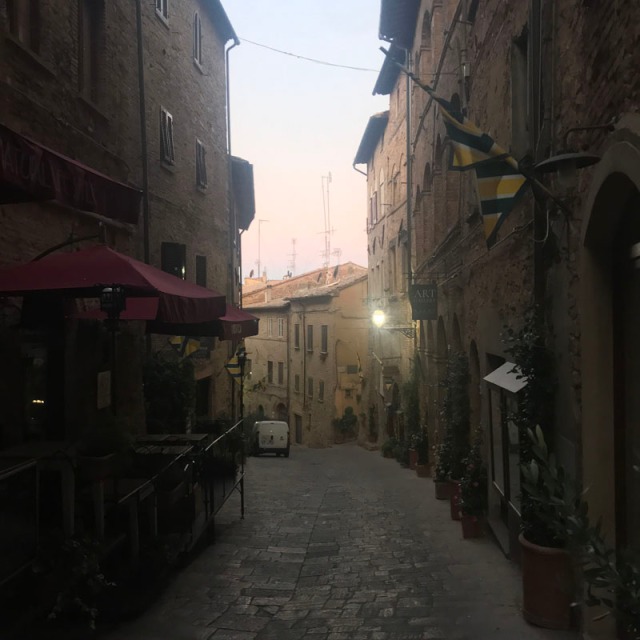
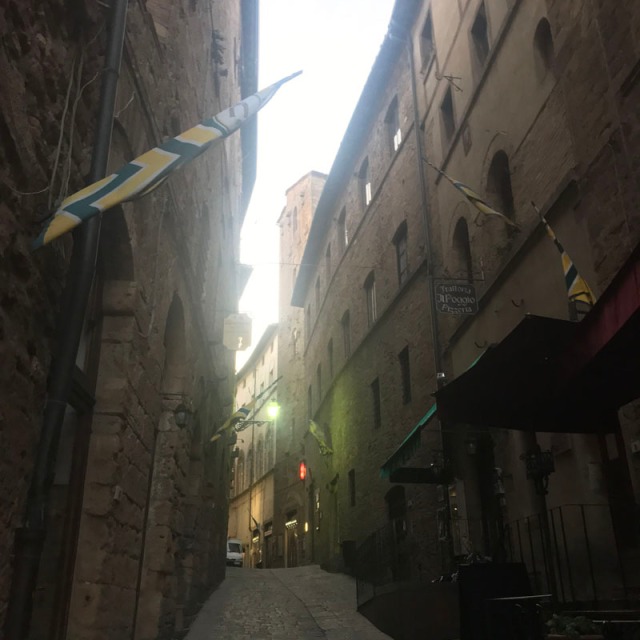
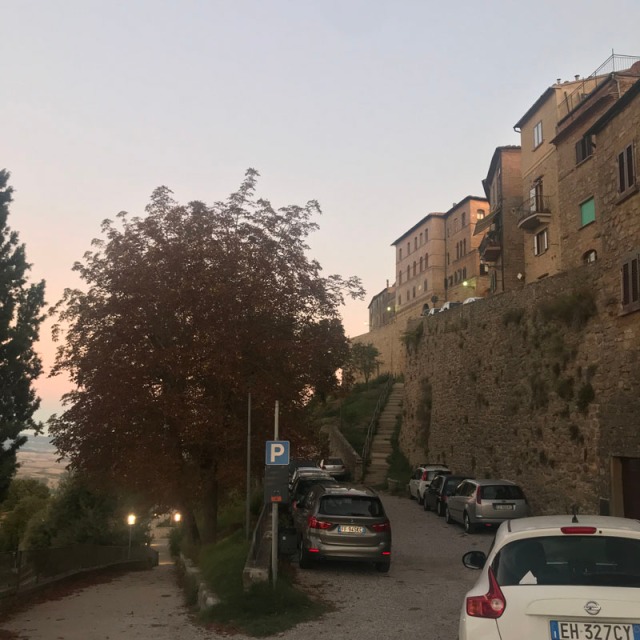

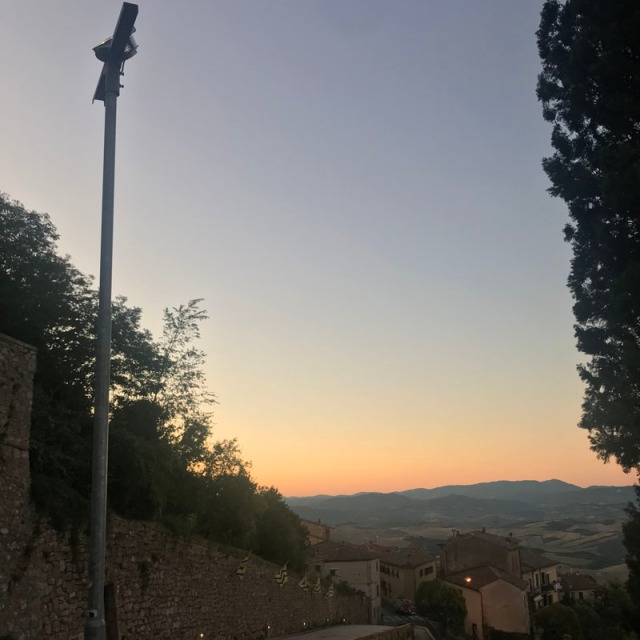
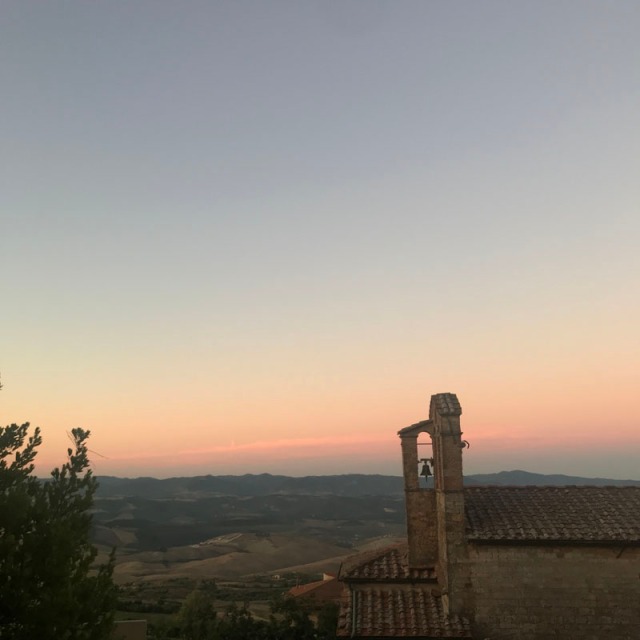
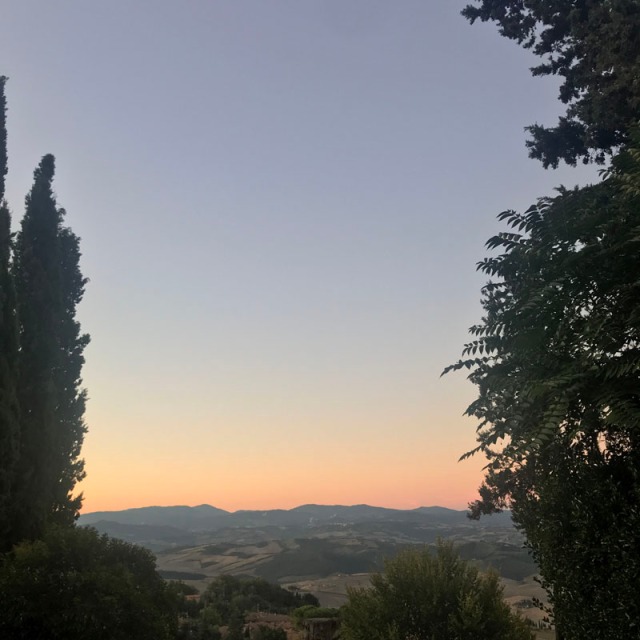
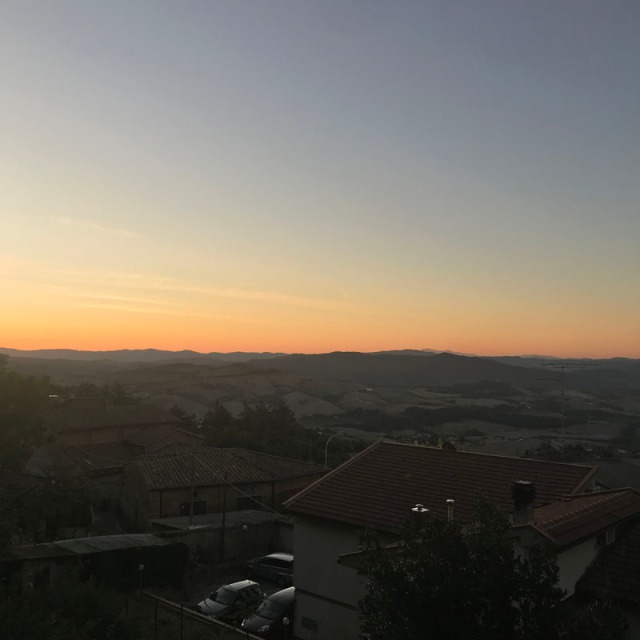
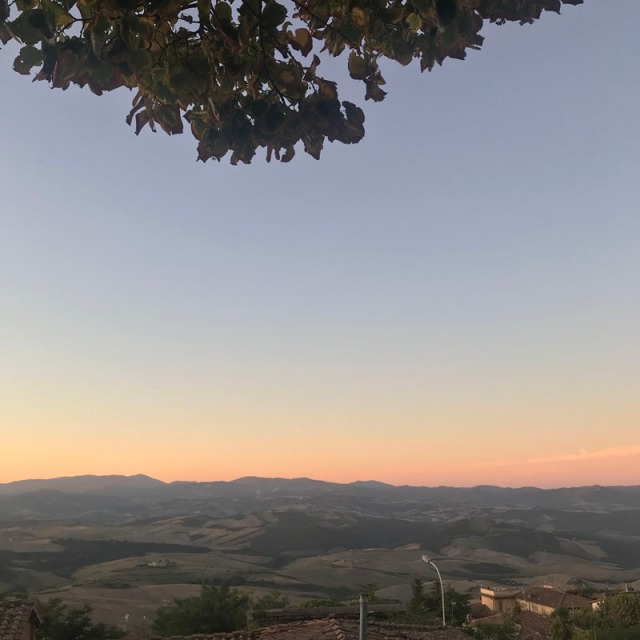
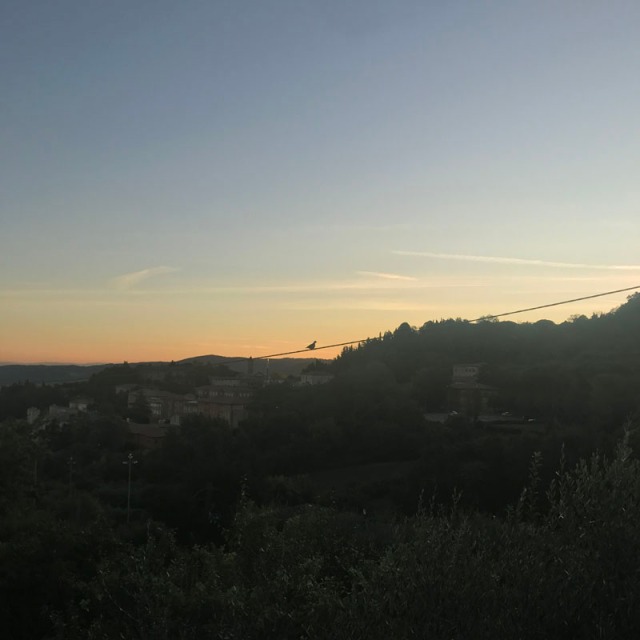

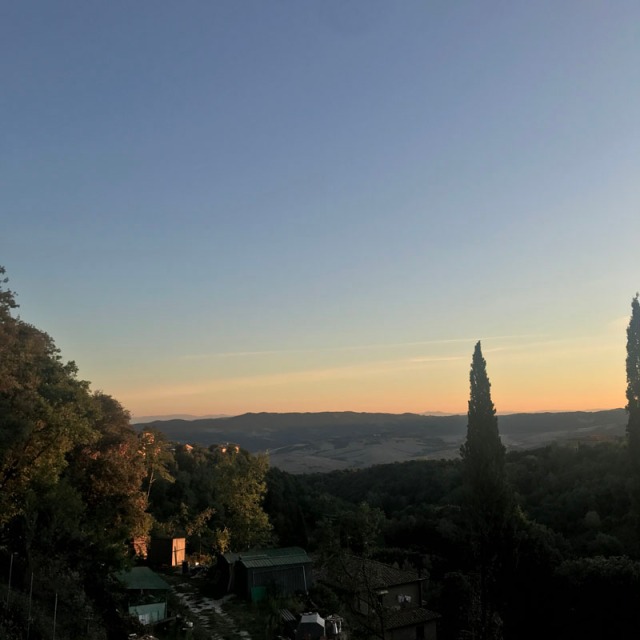
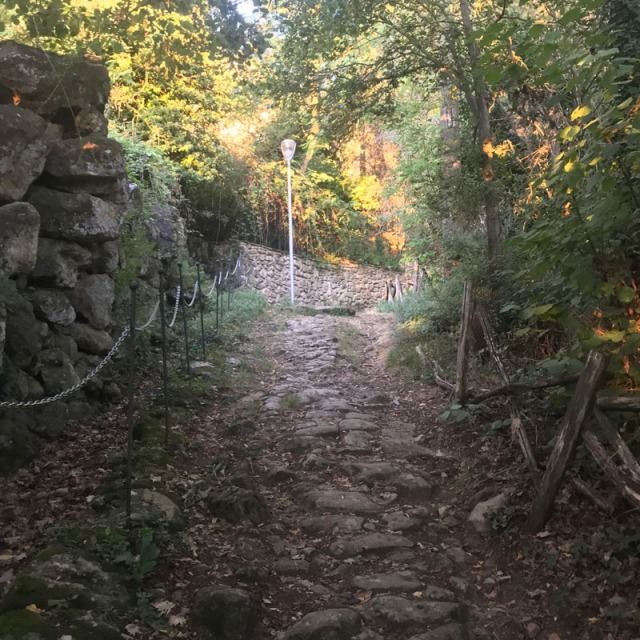
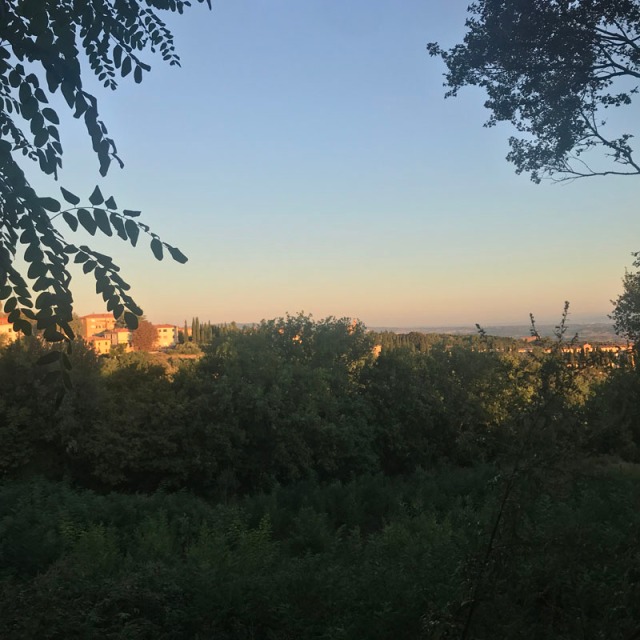
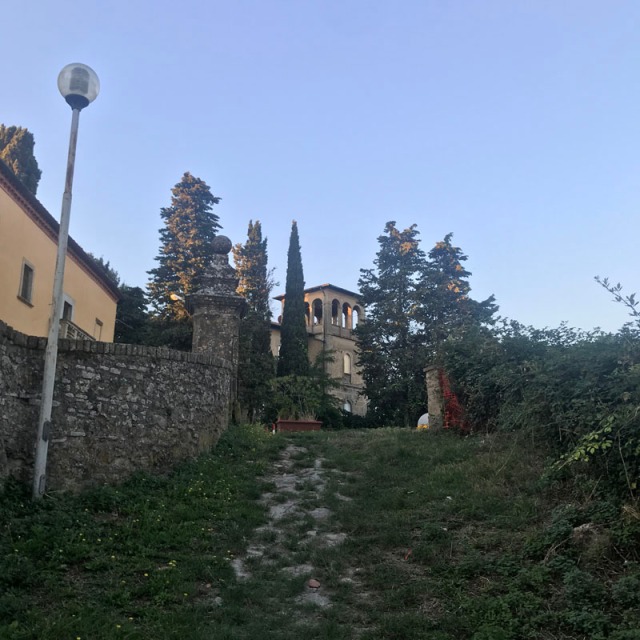
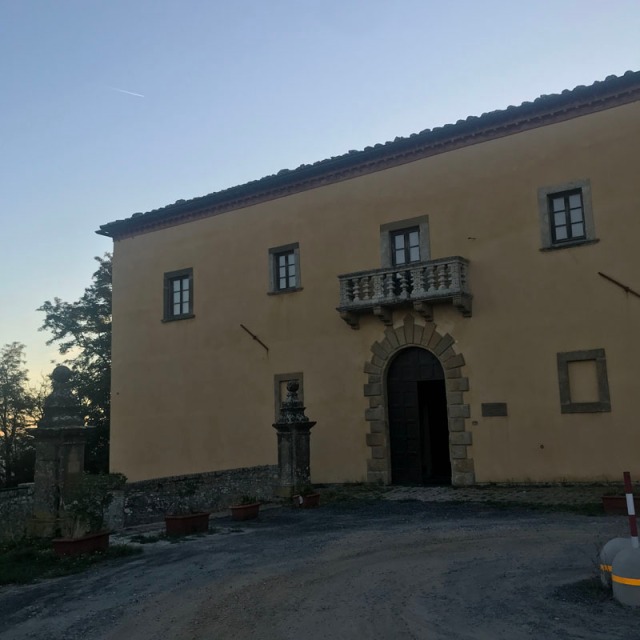
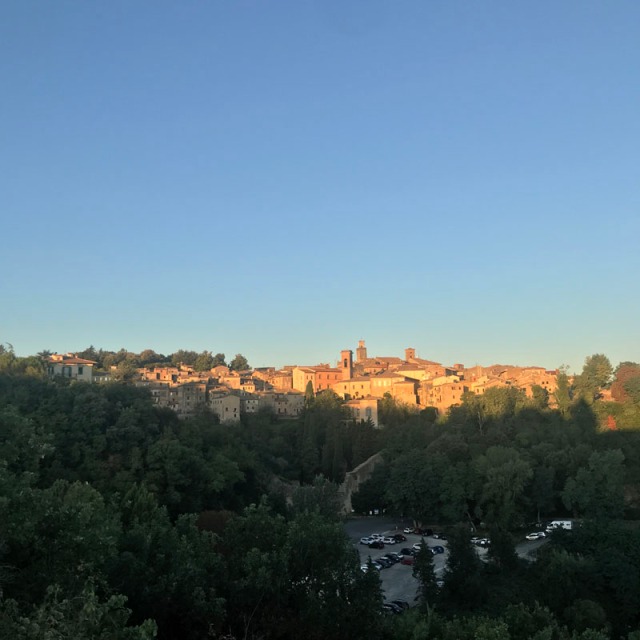
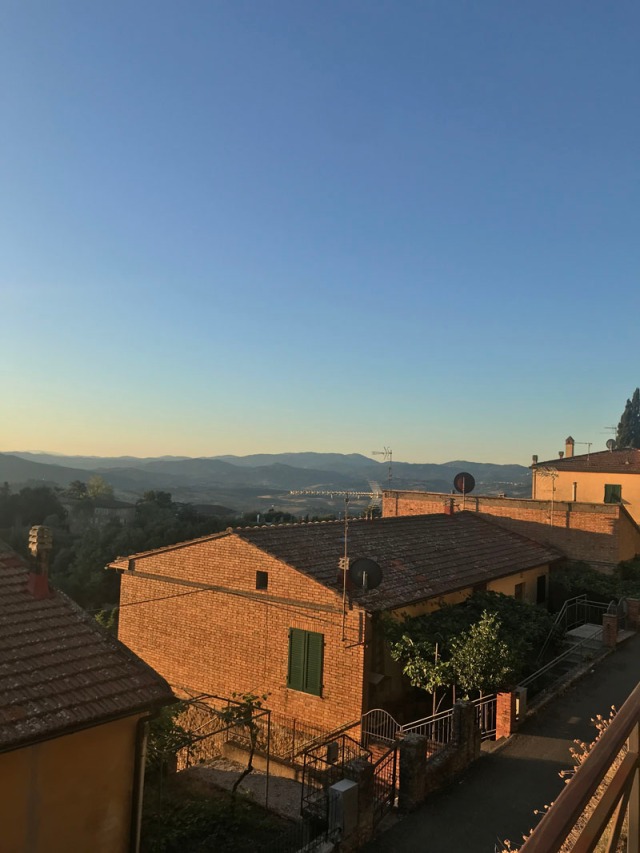


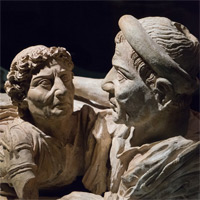 Volterra (Velathri, in the Etruscan language) was one of the twelve principal cities of the Etruscan League. It was a cultural cradle while Rome was still an upstart village on the banks of the Tiber. (I still have mad love for you, Rome!). In fact, it is Tuscany’s oldest continuously inhabited town.
 It is one of the principal centres for production of alabaster works in Europe, if not the principal centre. It was for centuries, and then trade fell off. It picked back up again in the eighteenth century, from which time Volterra has ruled the roost! Check out
 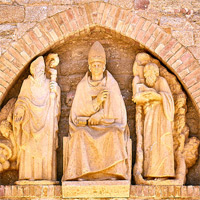 The second Pope, St. Linus, was born in Volterra. His cathederal is one of the few places we haven’t visited yet, as it was being renovated. It may have reopened by now, so hopefully we’ll take a look when we get over there.
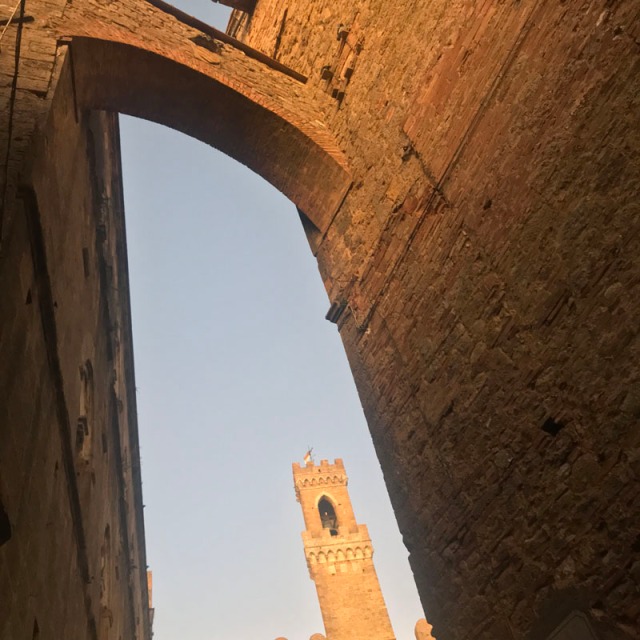
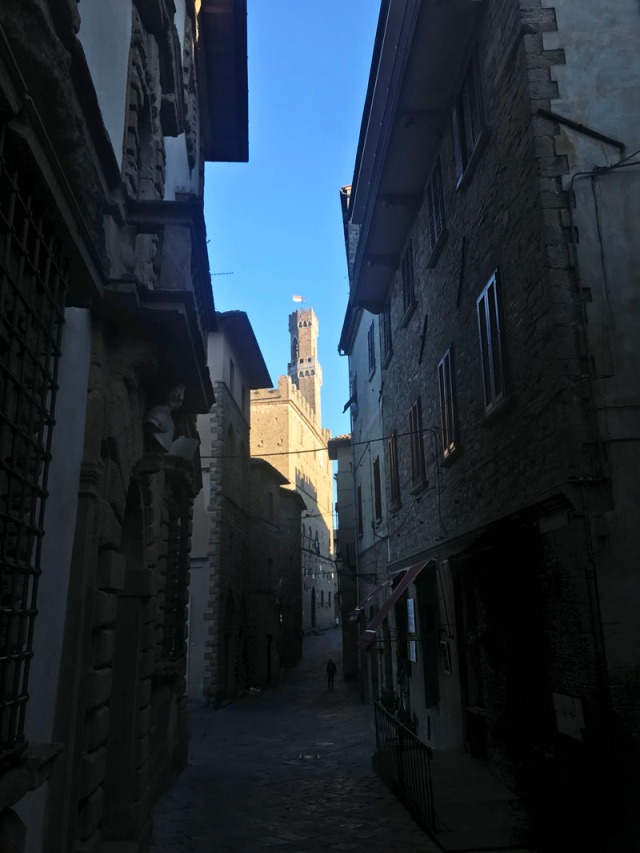
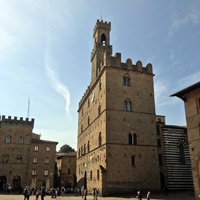 The main building of office in Volterra is still the 13th century Palazzo dei Priori, in the main square. It is the oldest town hall in Tuscany. So enamoured were the Medici by its design, that it was ‘culturally appropriated’, in that they based their Palazzo Vecchio in Florence on it. It’s still used for officialdom, but you can also visit a museum and the bell-tower there.
 If you were to stand beside the bell in the Palazzo dei Priori, you would be about 560 meters above sea-level, making Volterra Tuscany’s highest hilltown. I can see our house from here!
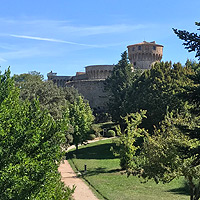 There is a Medicean fortress that dominates the south of the town. There are only three ways you can visit it, however: (1) go to dinner there; (2) visit someone housed there; or (3) be a very naughty boy and earn a prison sentence. Yes, it is, in fact, a medium-security prison. However, it is a very progressive one. Eight or so times a year, you can book yourself in to attend the so-called
 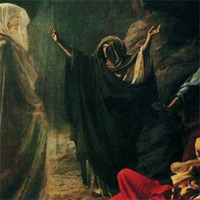 The progenitor of your typical medieval witches was also reputed for have been born in Volterra, supposedly on August the 13th, 1313. Her name was Aradia. Read more about her
 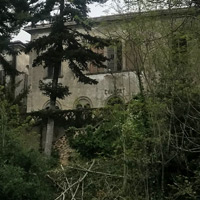 Volterra was home to a another town of sorts, on its outskirts. During its dismal apex, it housed as many people as the walled town itself did – about 6,000. It was a psychiatric hospital. It began life as an institution which genuinely sought to help the mentally infirm, but became something much more insidious. You can read more about it
  One of the most famous and progressive scenes depicting the Deposition of Christ was painted by Rosso Fiorentino, and originally housed in the cathedral of Volterra. It is now in the town’s art museum (pinacoteca), along with many other amazing pre-Renaissance pieces. It features, unusually, a red-headed Judas (bottom right).
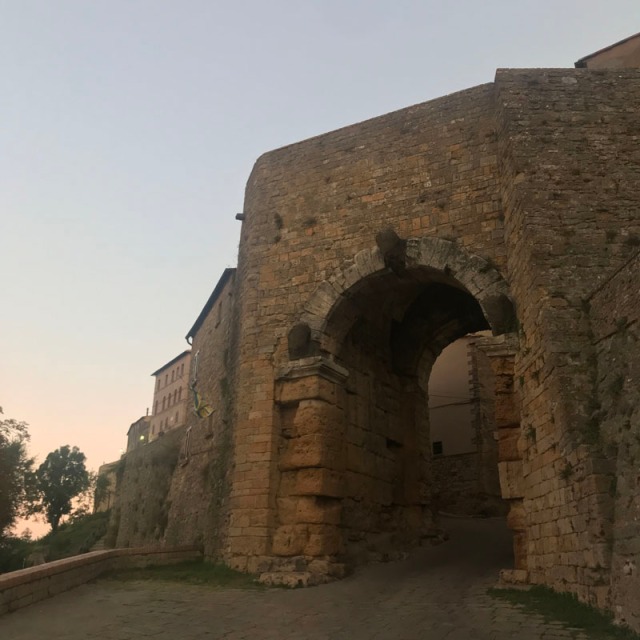
 One of Volterra’s greatest treasures is on public display, and acts as one of the entrances to the walled town: the Porta all’Arco. Part of it dates back to centuries BC. During WWII, the German’s threatened to destroy the gate, to impede the approaching allies. The remaining townsfolk (many of whom where women and children by then) begged the Germans to give them time instead to stop it up with rocks. They were given 24 hours. Incredibly they did it in time (it’s a big gate, with added depth) by forming a human conveyor belt, and so the gate remains intact today.
 Most recently, Volterra has seen movie and TV sets come and go, and been associated with modern young-adult urban fantasy. Some scenes from the live-action version of Full Metal Alchemist were shot here, as well as much of Season 3 of The Medicis (still awaiting broadcast in Ireland, I think). Most famously, Volterra has been associated with Stephanie Meyer’s Twilight Trilogy, with some of the second book being set here. Sadly, only a few scenes of the film where shot in Volterra, with the majority of the outdoor stuff shot instead in Montepulciano, 70 miles away.
 Our Man In Volterra