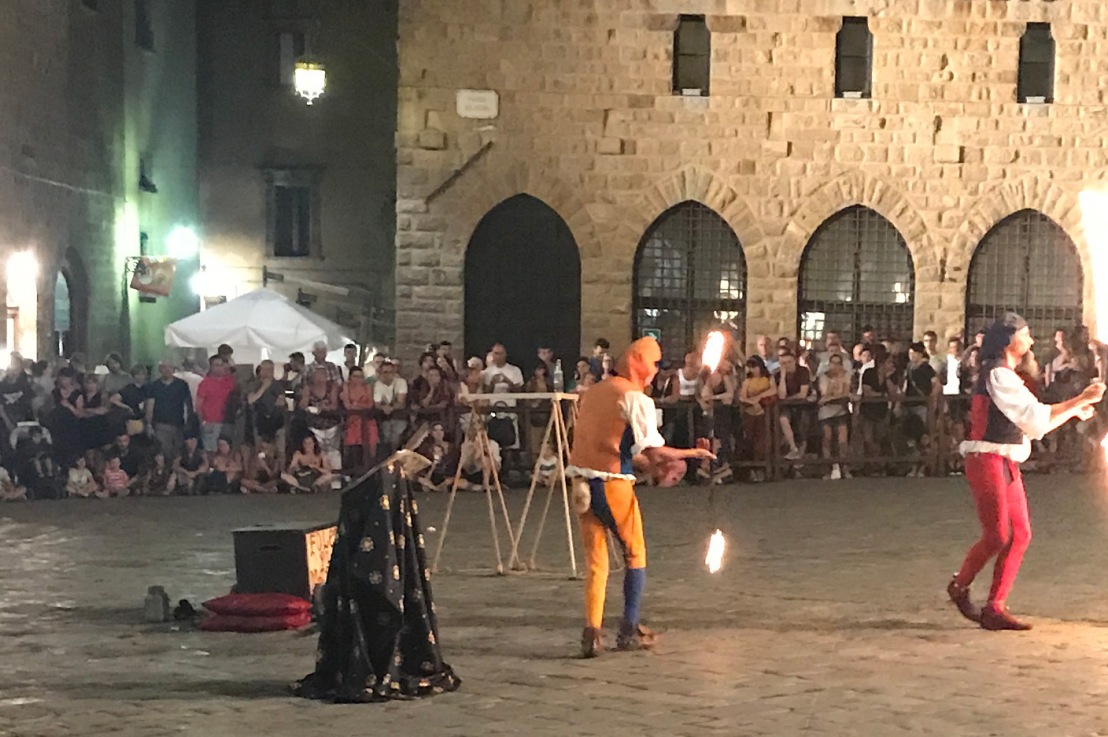
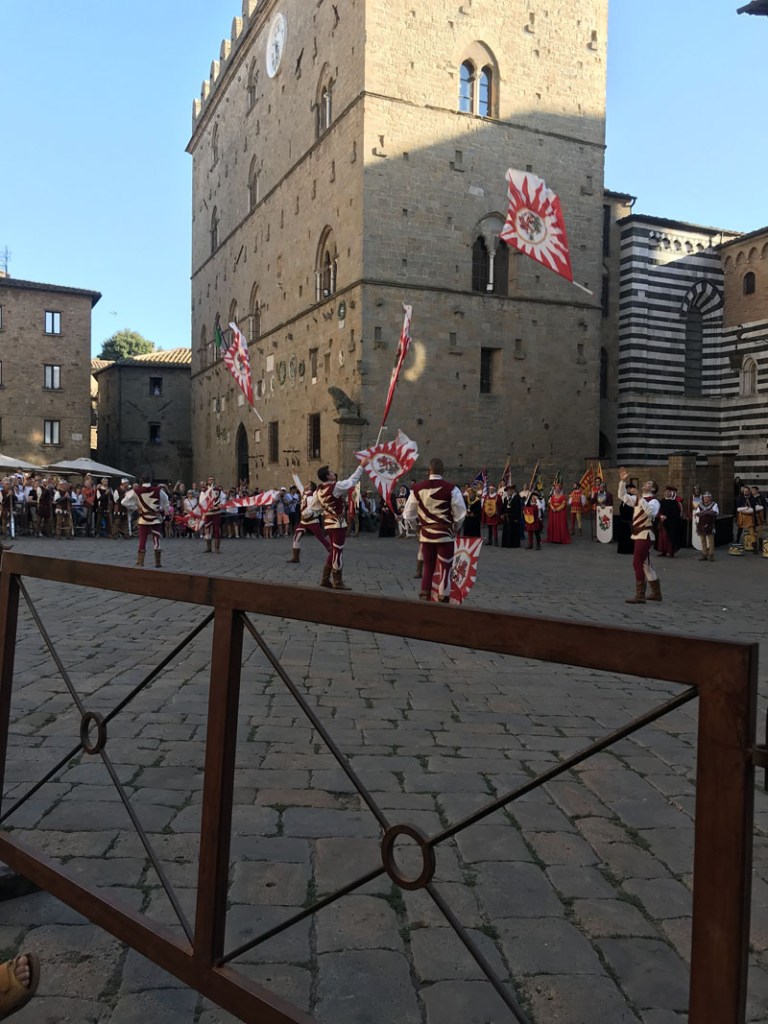
We felt it had cooled down sufficiently to go back outside. In addition, we really wanted to attend the combat competition and the falconry exhibition. We headed towards the main square (Piazza dei Priori), and found we had managed to catch the end of the medieval dance lesson activity. We grabbed good seats at the top of the bleecher’s and started watching.
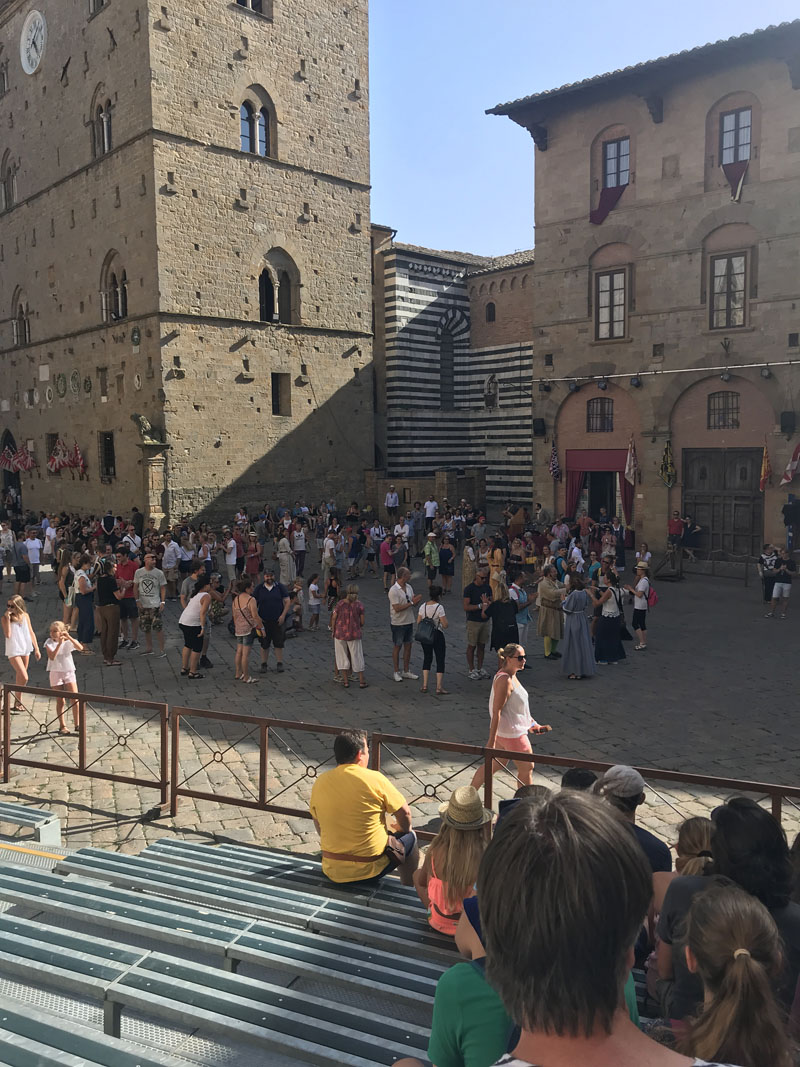
It looked like great fun, but with my coordination I could forget trying it. It would take about 5 pints of Moretti before I’d give it a go. You can watch some of it here:
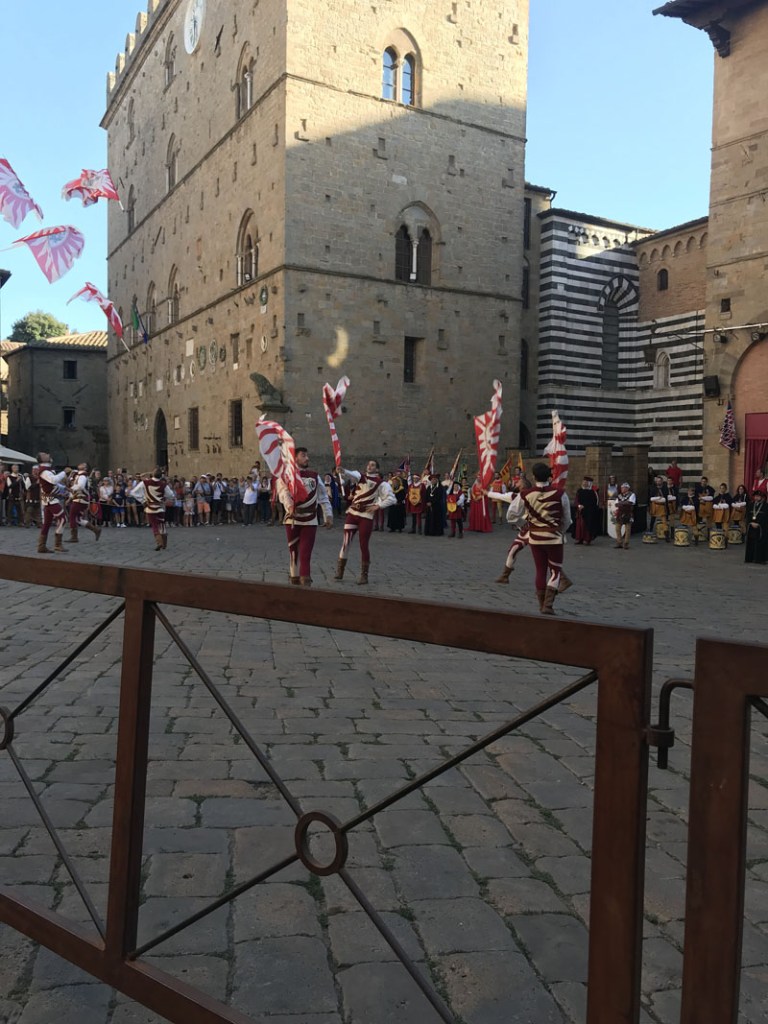
The Master of Ceremonies began announcing the commencement of the combat competition. He was the same guy who ran the opening ceremony, and his speeches rhymed and were delivered with tremendous skill. I realised yesterday that he is riffing his speeches – most of it was off-the-cuff, making it hugely impressive. What a talent to have! He was interrupted a couple of times by drummers, church bells and stilt performers, but handled it with grace and humour.
Here’s a quick video of those stilt performers!
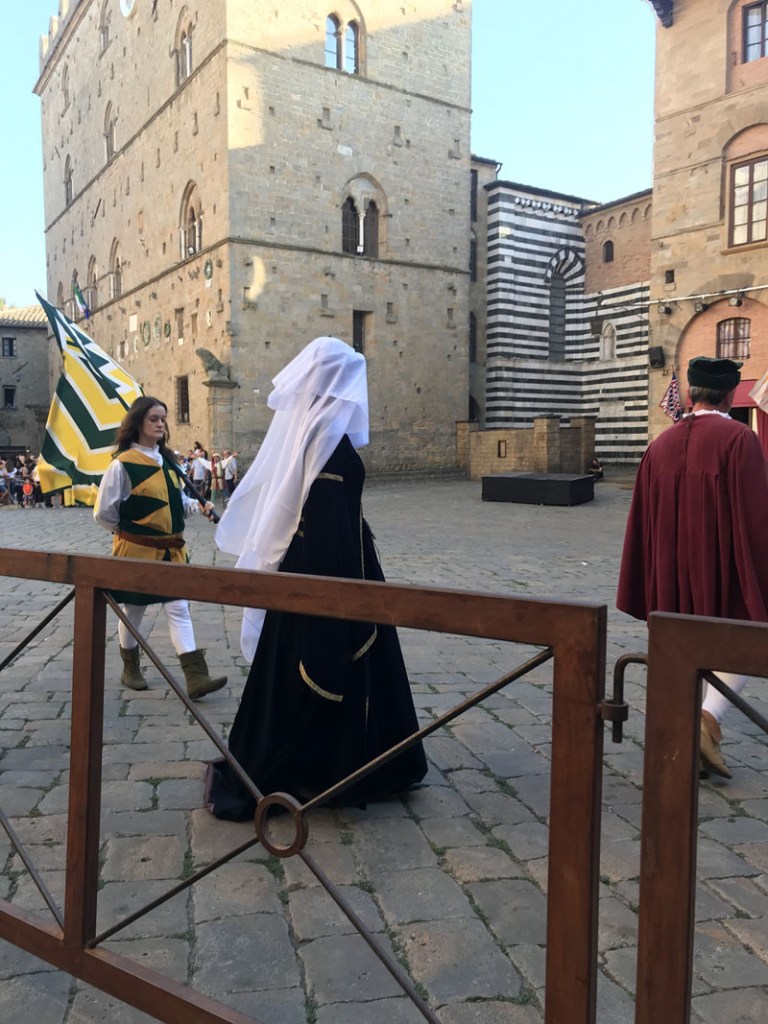
The men representing Volterra’s 8 contrade (town districts) were introduced to the crowd, and kids lined up to grab (I think) stickers with the contrada emblems printed on them. They were paired off and fought each other.
I’m not 100% sure of the rules, but it looked like you scored a point if you hit the armoured part of the head, or the heavily padded torso, and it was the best of 3. You face disqualification if you hit an illegal area (e.g. the face – as one combatant did with a pike – no injury was caused, but he was still disqualified).
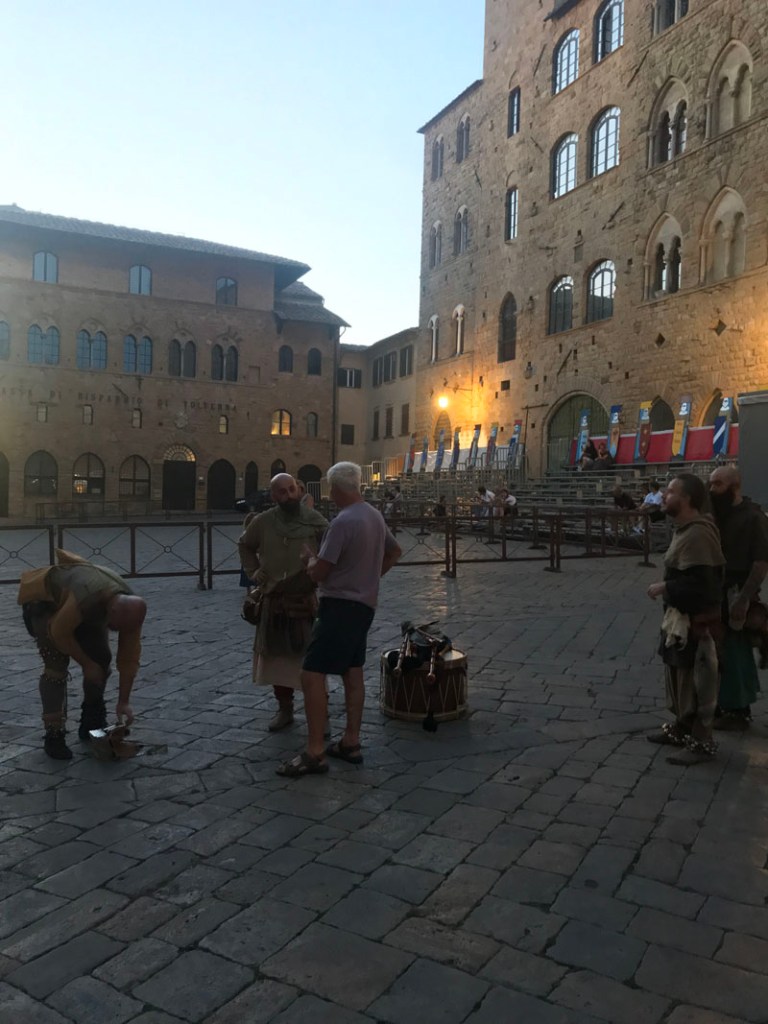
While they fought, the drummers thundered out a tattoo, which added to the urgency and excitement of the bouts.
It was effectively a knockout competition, and eventually the two finalists fought, but it was the best of three matches, each match having different weapon-sets (pikes, sword and buckler, club and shield). It was a close competition, but eventually the favourite of the ladies in the crowd, representing Cingiale (the Boar) had his hand raised.
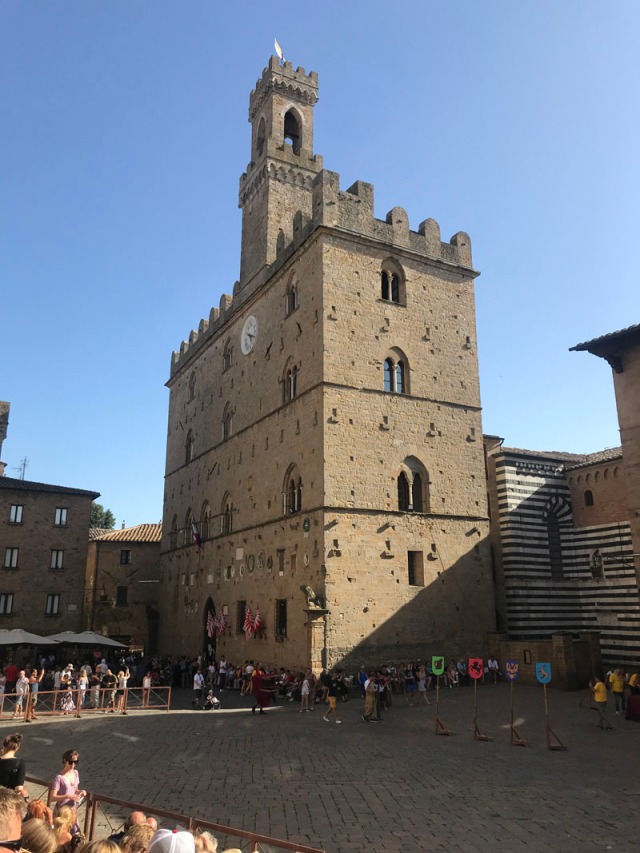
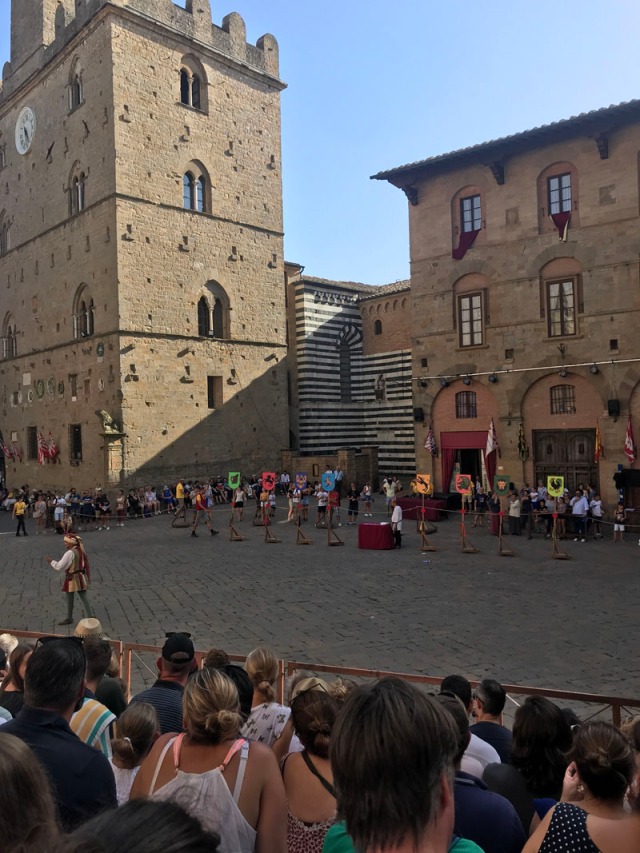
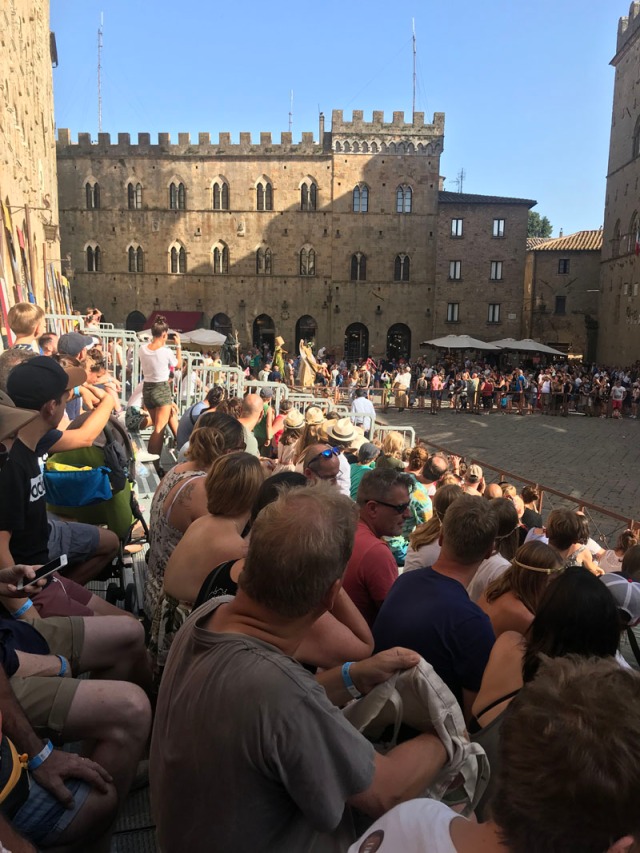
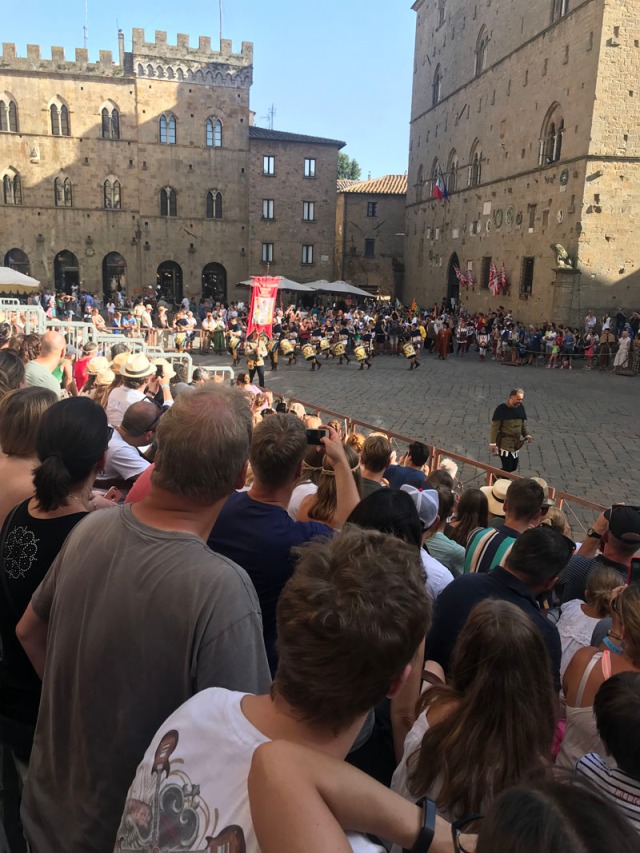
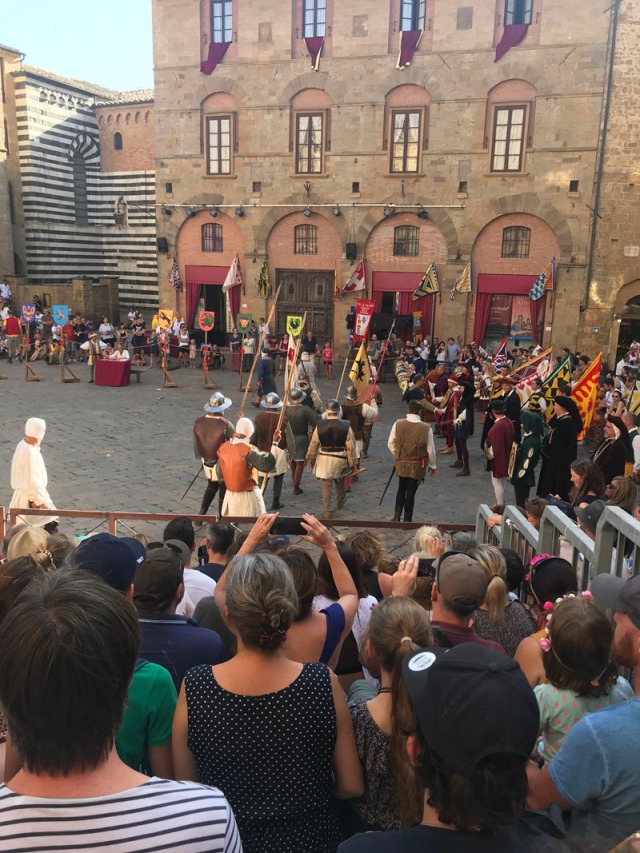
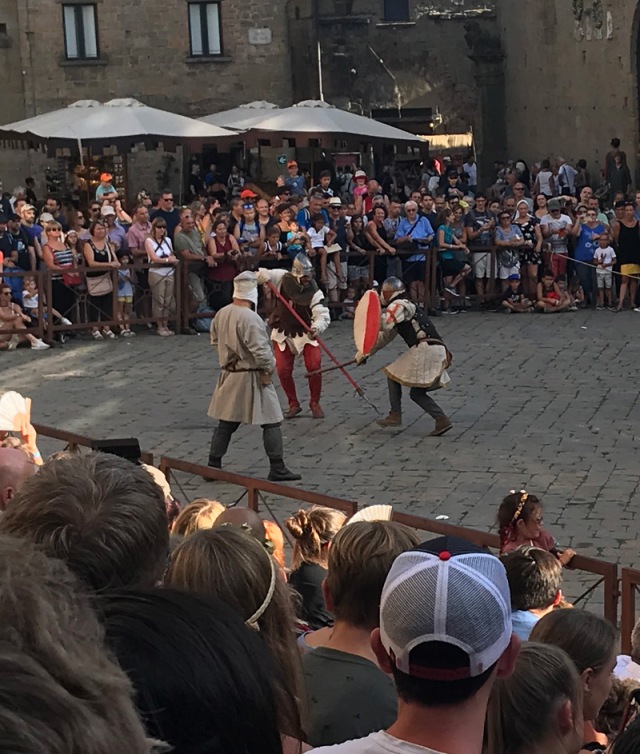

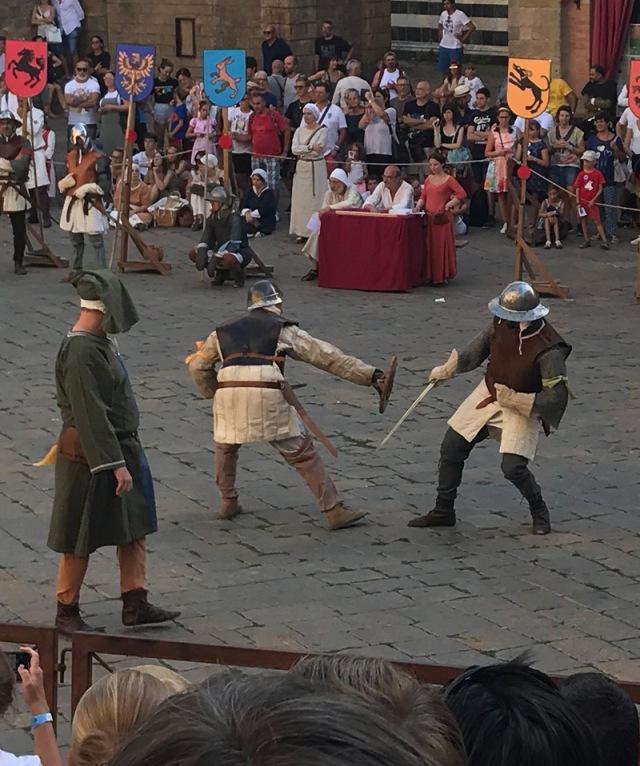

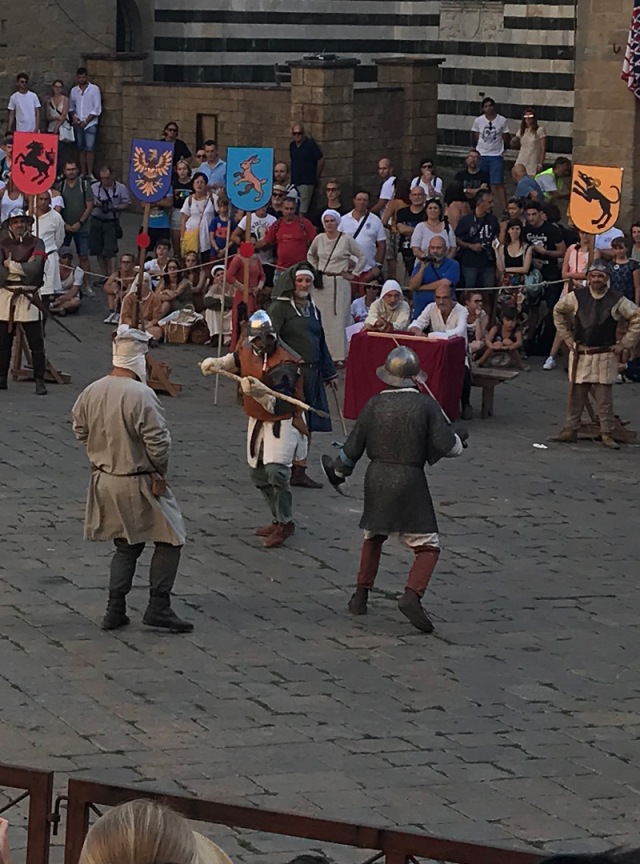


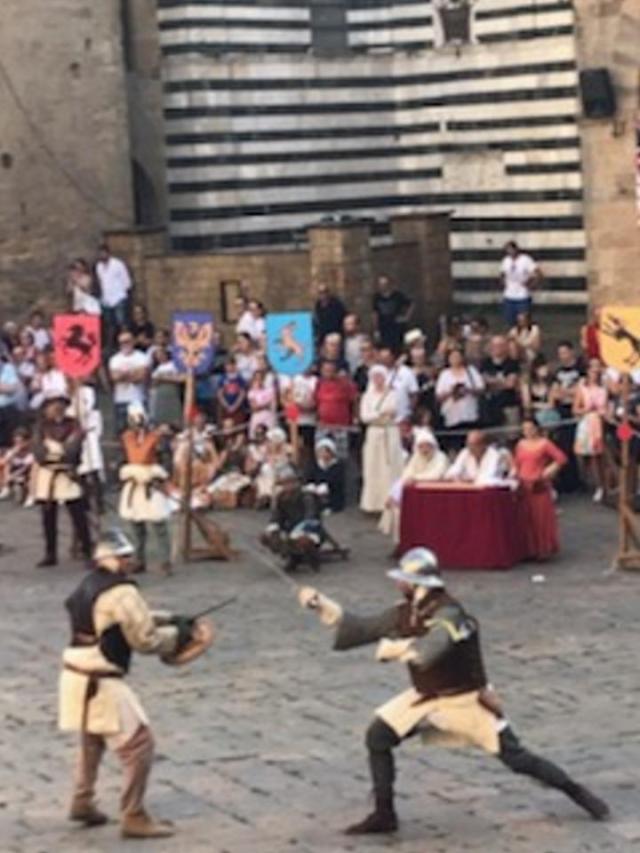
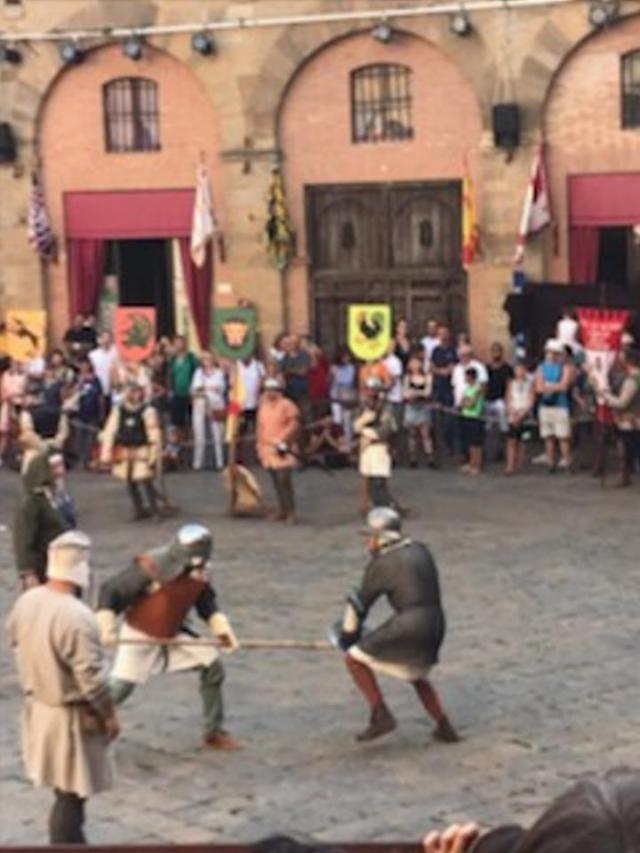
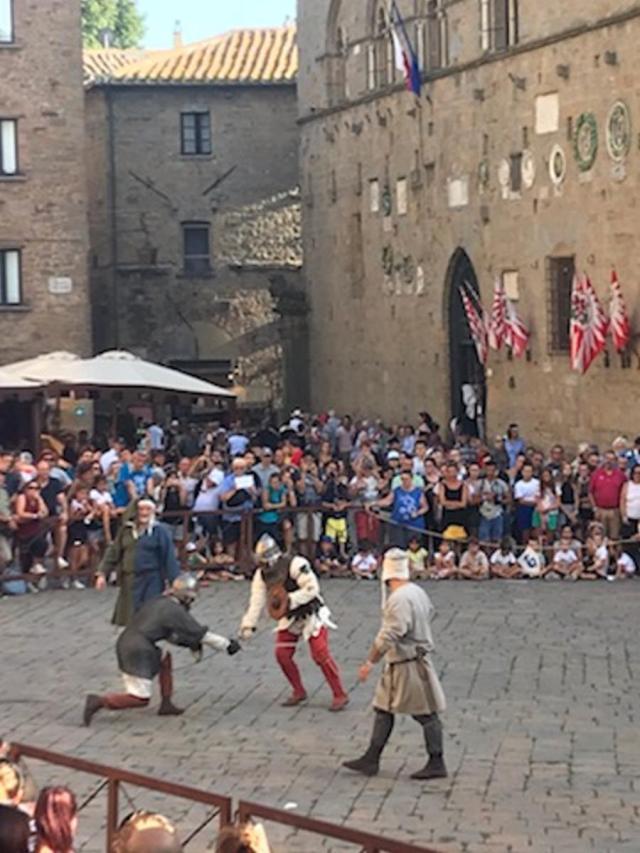
We also caught some action on video, here:
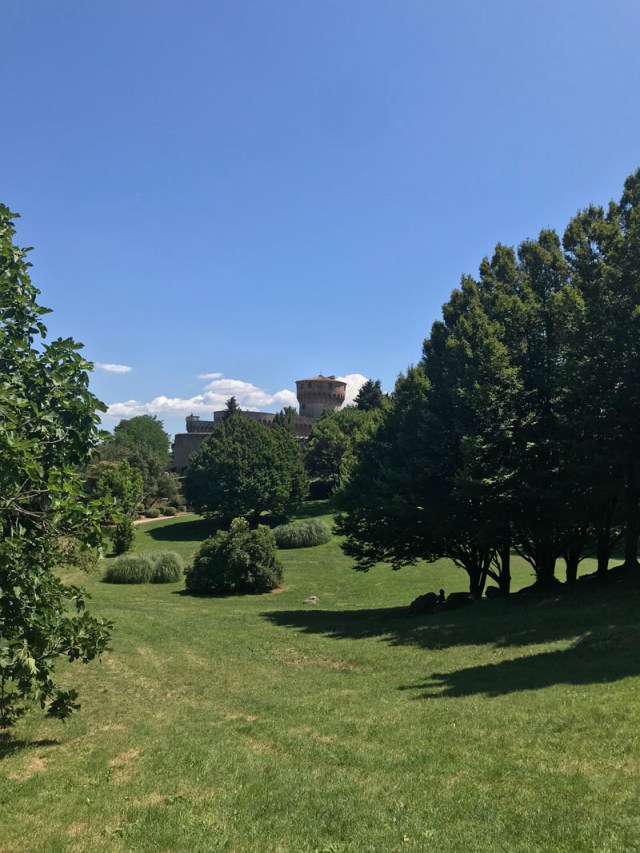
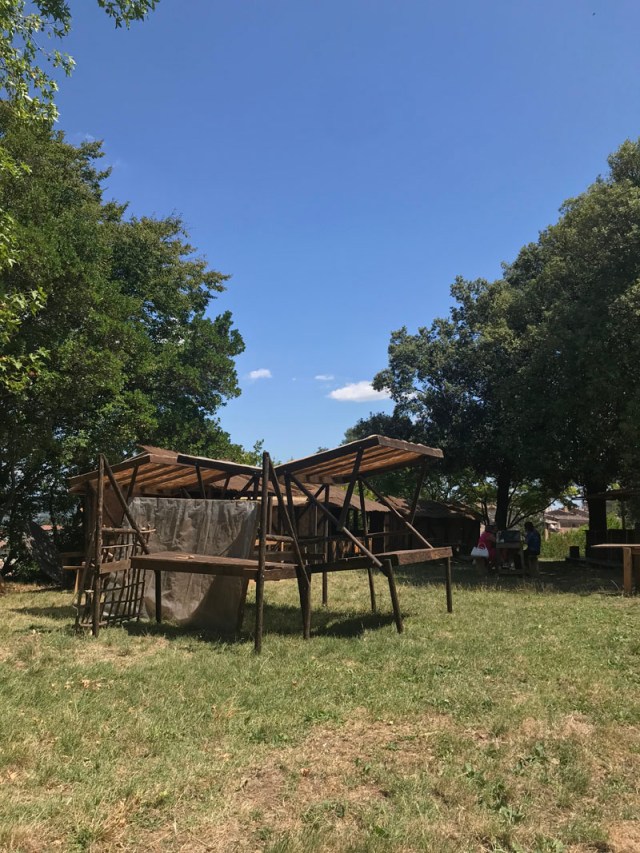
After we’d recovered from that, we made our way (slowly – it was very crowded), to the park to check out the falconry exhibition. It was a fabulous location to have it, as there is a natural hollow in the green around which people can sit and observe – and a few hundred did just that!
It began a bit poorly, as the first falcon they released didn’t want to play the humans’ little game, despite the promise of food, and the handler’s whooping and crying. So they let him alone and loose for a while, and tried a second bird, who duly obliged by wheeling and skimming, sometimes inches, over the heads of the excited audience. Fun for adults and kids alike! Eventually, he was done, and was rewarded by his master with a few tidbits.
It was only then that the other fellah got a little bit jealous of all the attention and food, and began to perform for us. He wheeled overhead, much higher than the other, and flitted from tree to tree. At one point, however, the handler threw a morsel high into the air, and the bird swooped and, with a barely perceptable pause, caught the food mid-flight. Amazing to see.


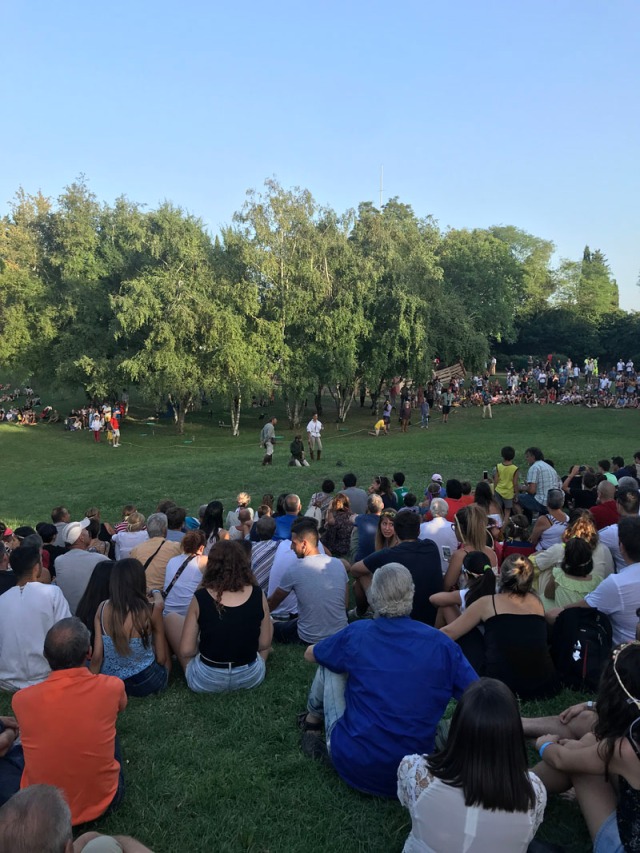
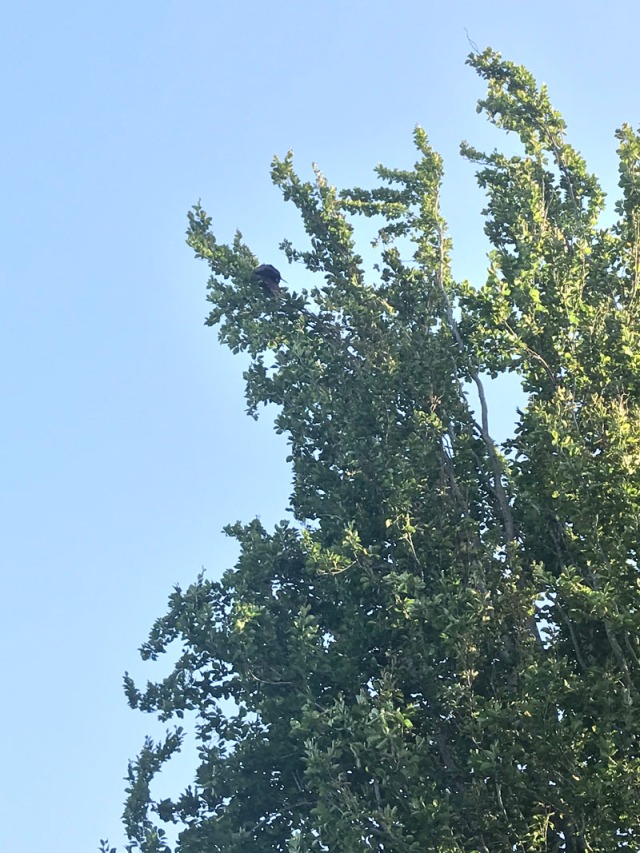
I also got some video of the second, more compliant, bird here:
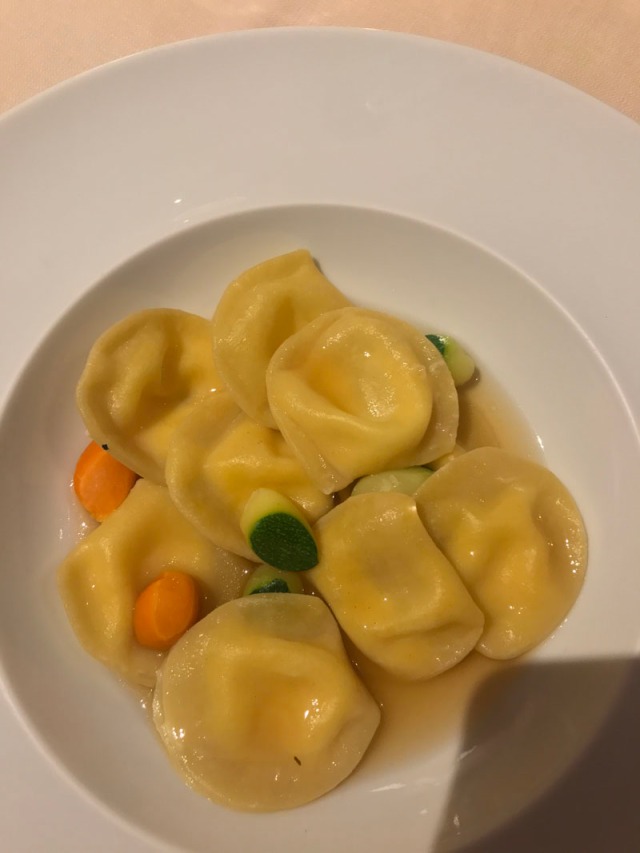
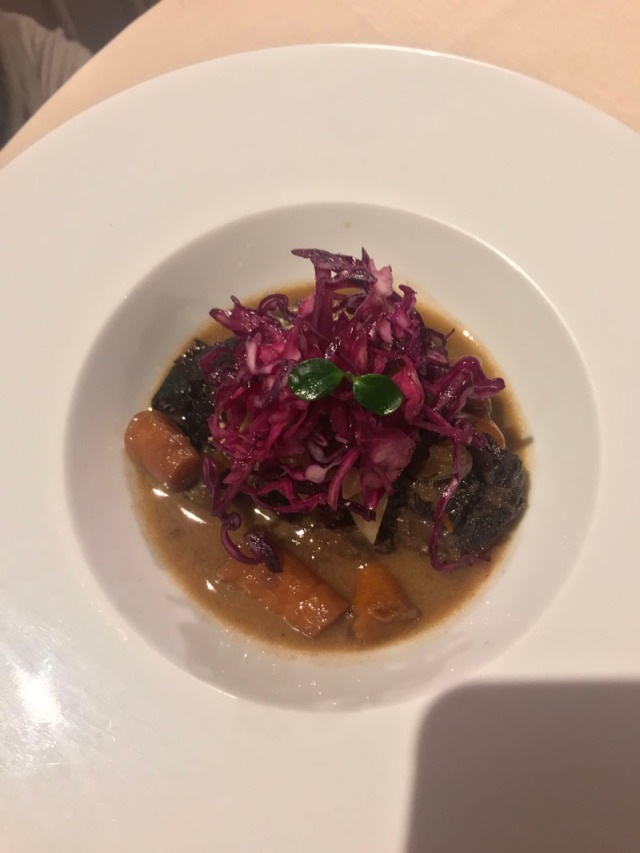
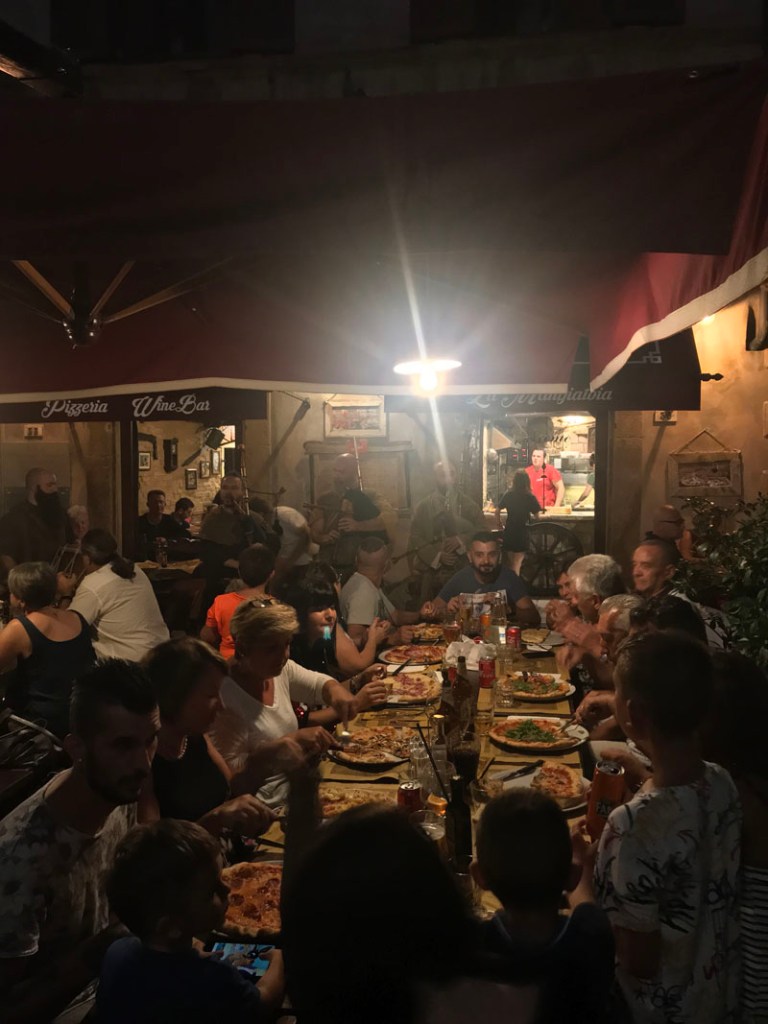
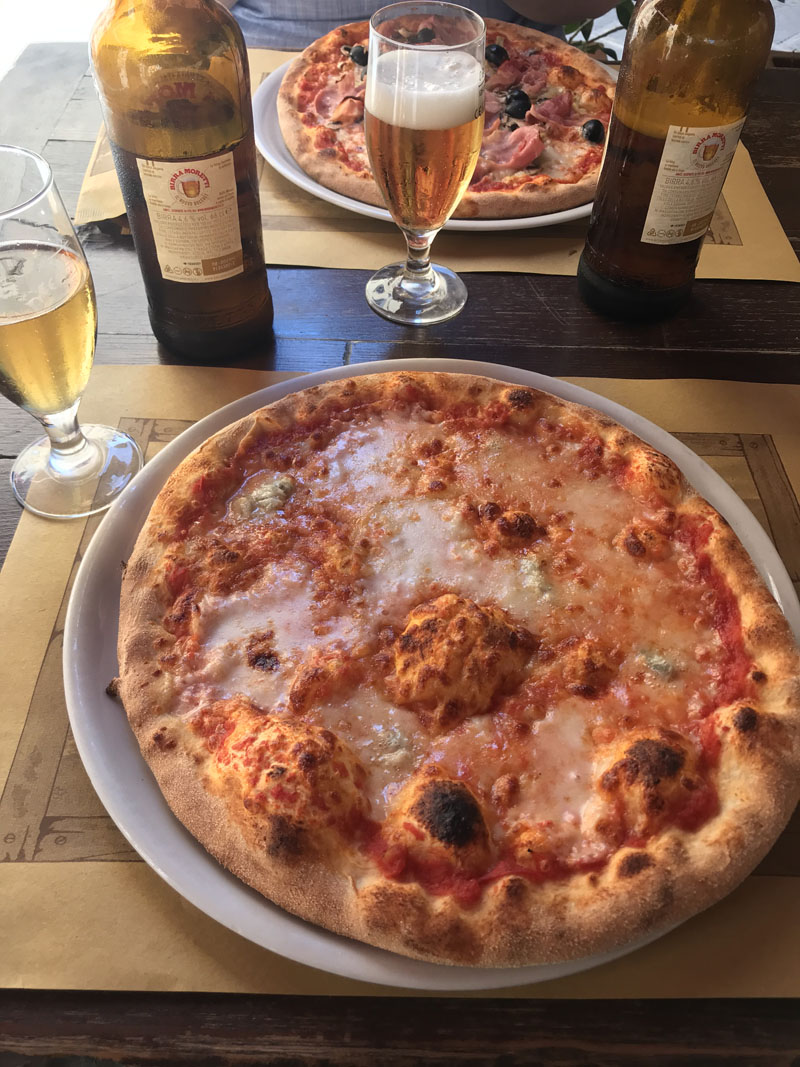
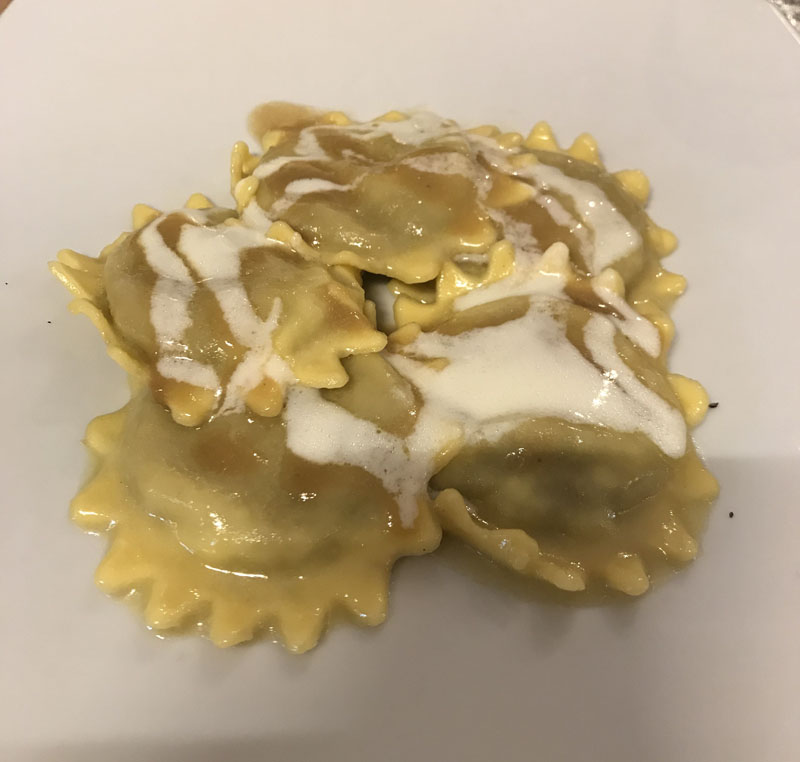
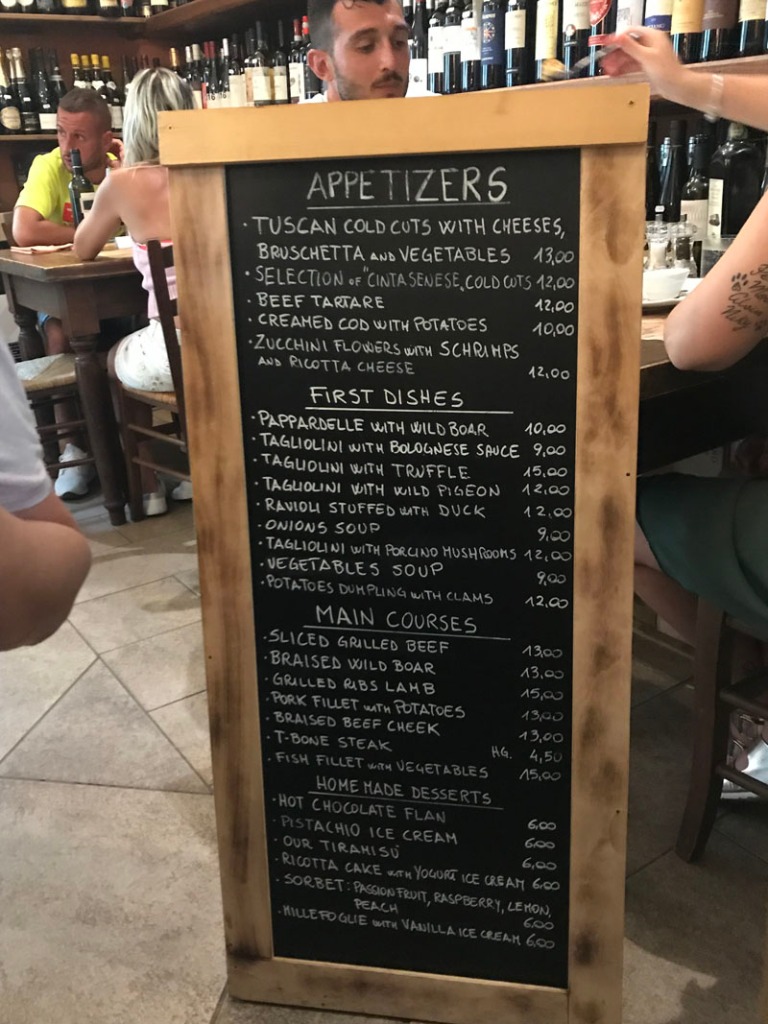
After that excitement, it was time to eat! We went to the Torre del Porcellino, and opted to eat inside, on the basis that we thought it had air conditioning. We were right: it did, but only for about 2 tables – we were sat at the back and began to stick to the furniture. The food was fab, though! Niamh had spinach and ricotta ravioli in a tomato sauce, and I had similar, but mine was stuffed with pecorino cheese and served in a mushroom brodo (broth). We both had the same main course: stewed beef cheek with red and white cabbage, and we got a couple of sides. Always delicious food there, but damn it was too hot!
We went back to the apartment then.
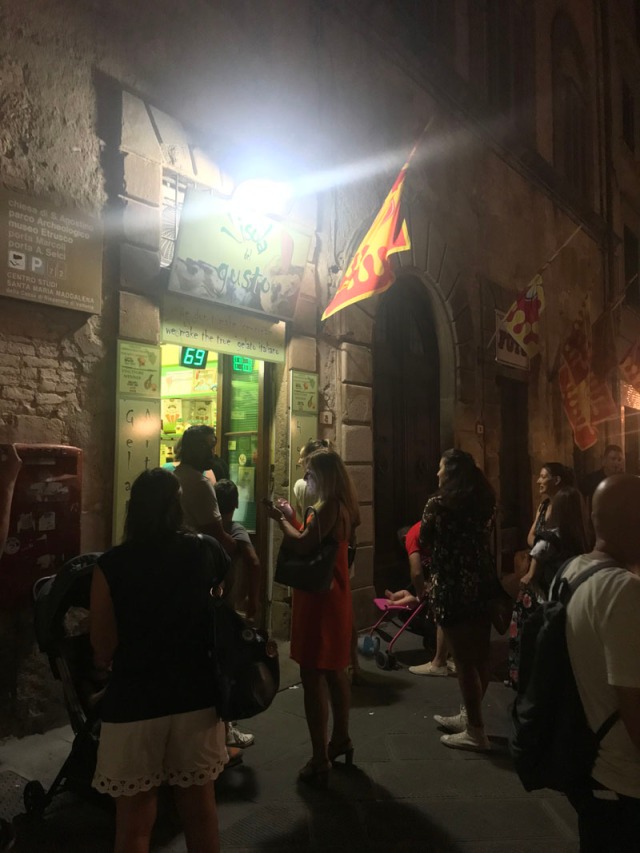
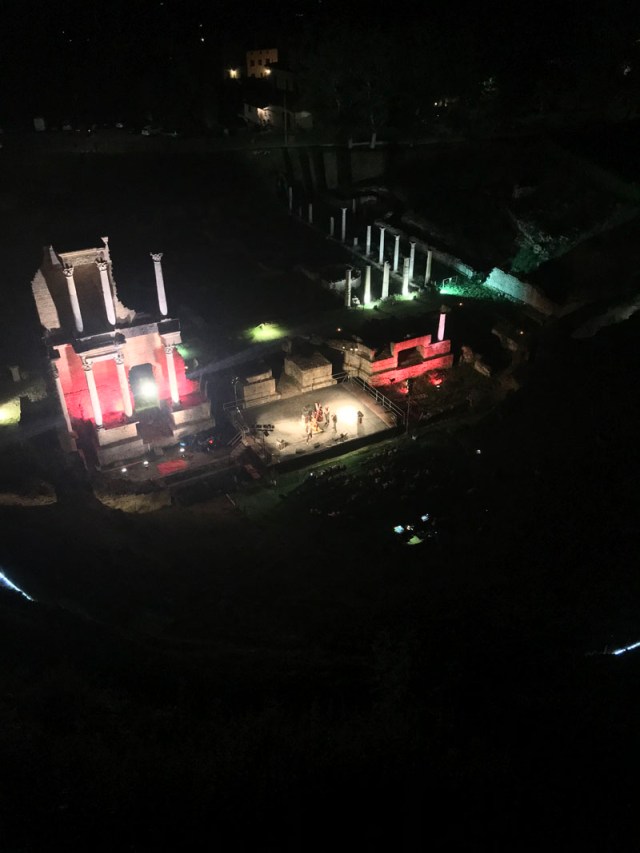
As it was also the last night of the arts festival in the Roman amphiteatre, I wanted to check it out, so I headed out alone. On the way I snuck in some gelato from L’isola del Gusto, of course! Even at 10:45 they had queues 7-8 people deep.
I can’t quite describe what the act in the amphiteatre was – it seemed to be some spoken word between jazzy piano numbers. Not my thing, although the pianist was very talented.

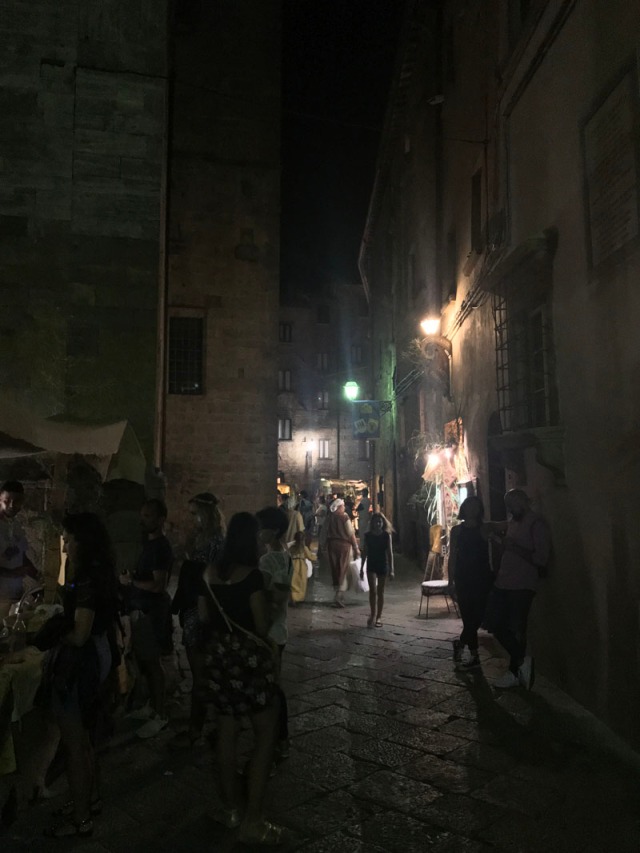
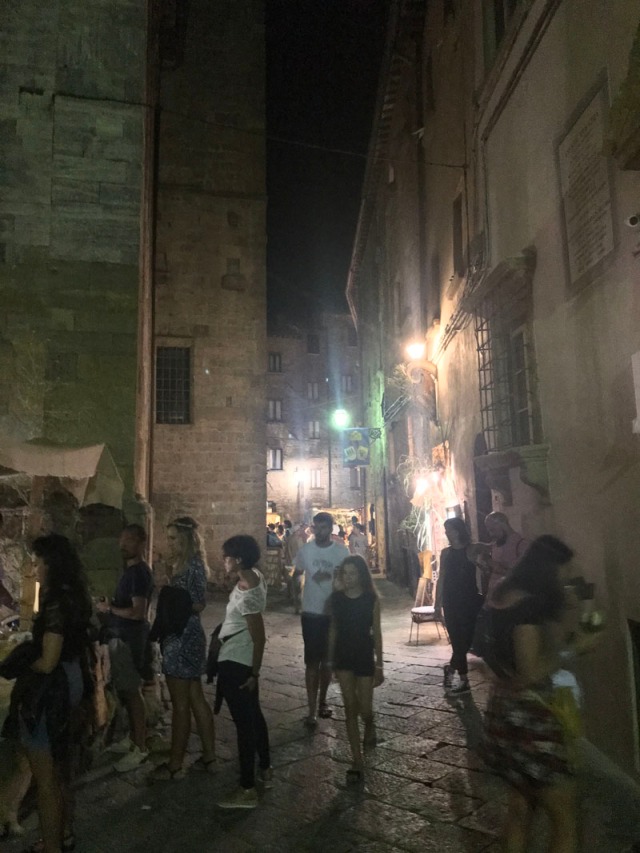
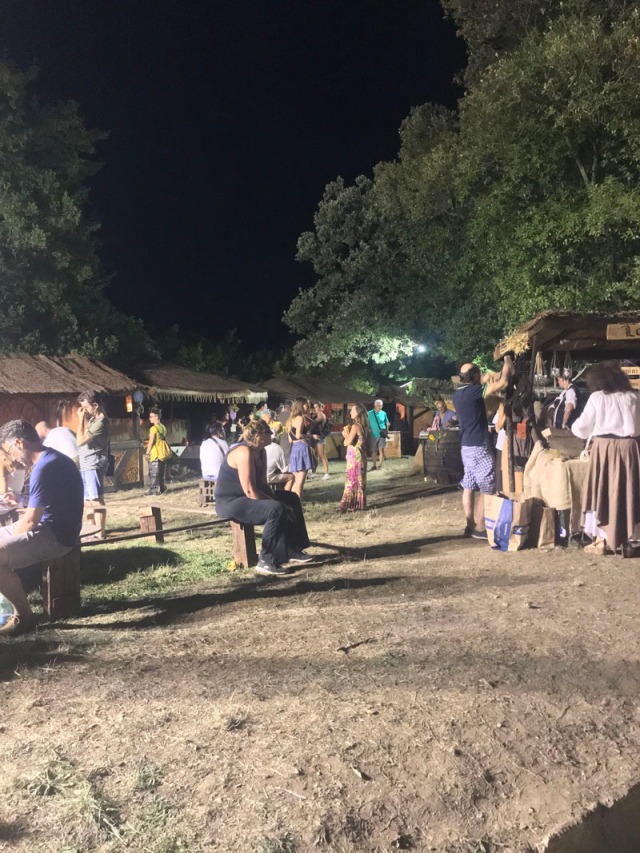
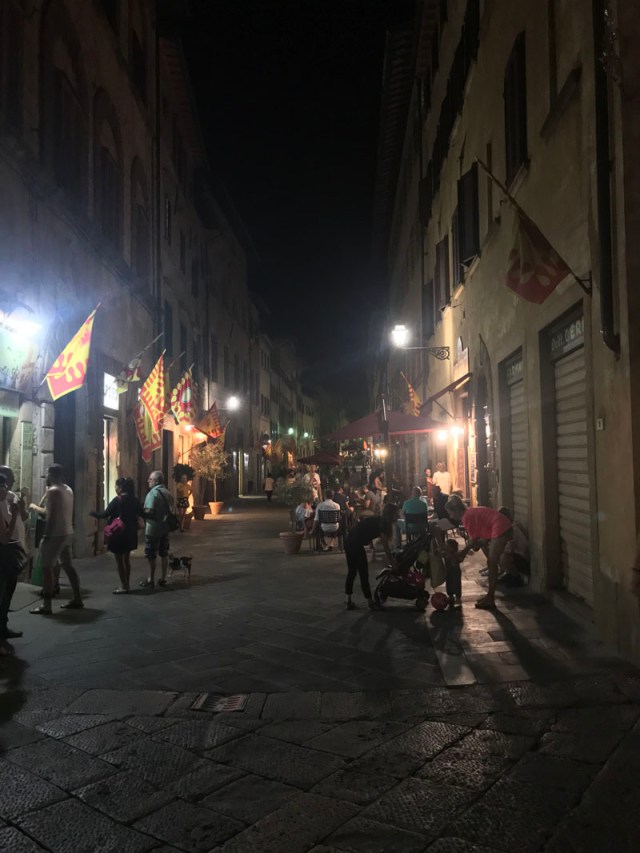
I didn’t hang around for long, but instead checked out the Festival in both the square and the park, getting a good walk into the bargain.
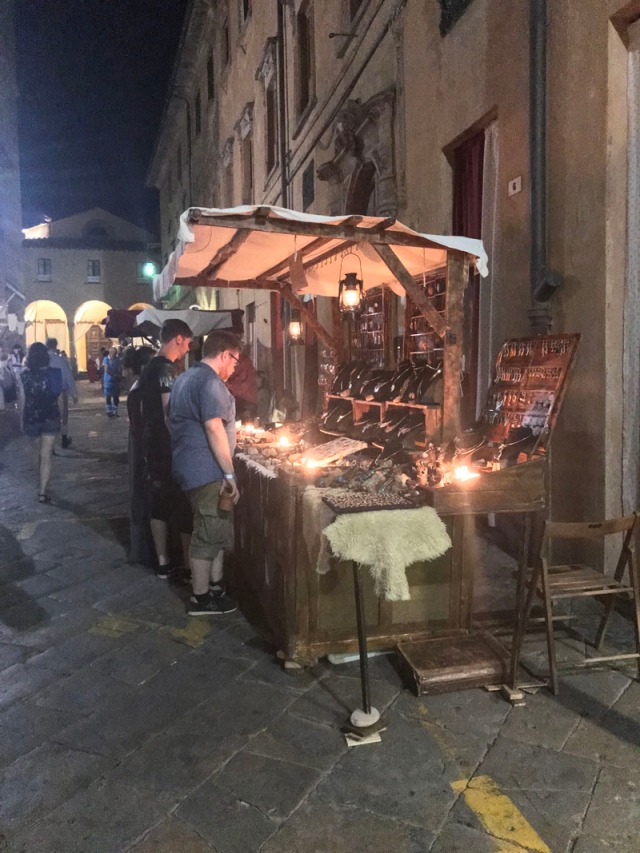
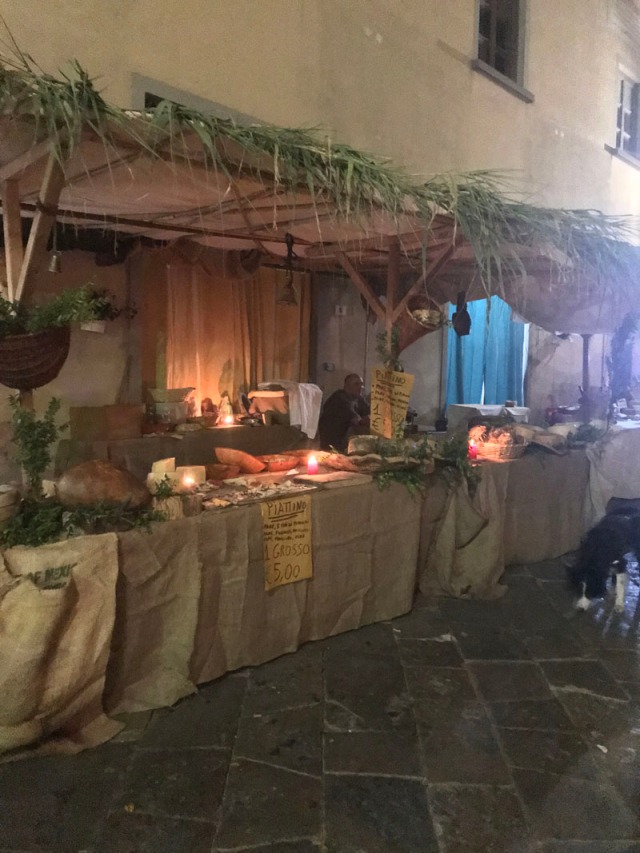
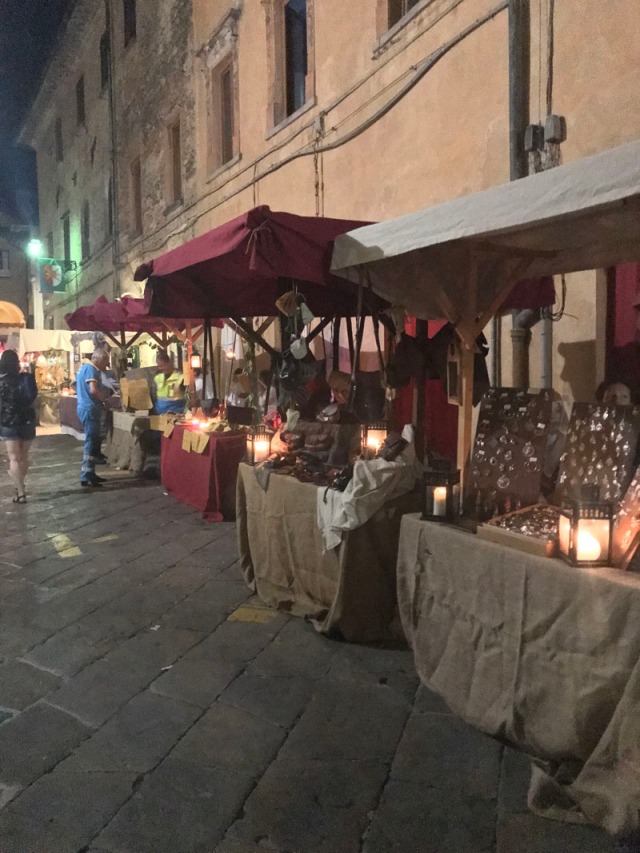
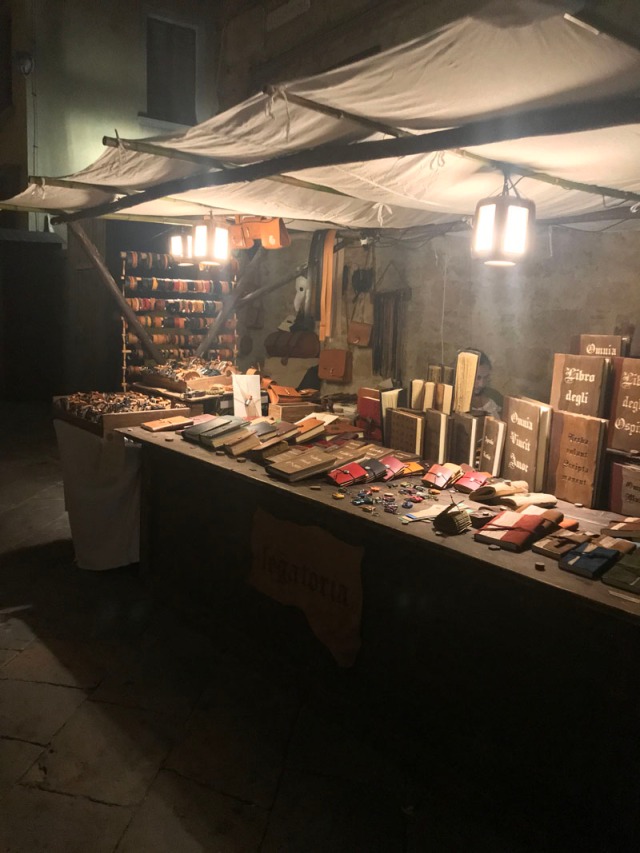
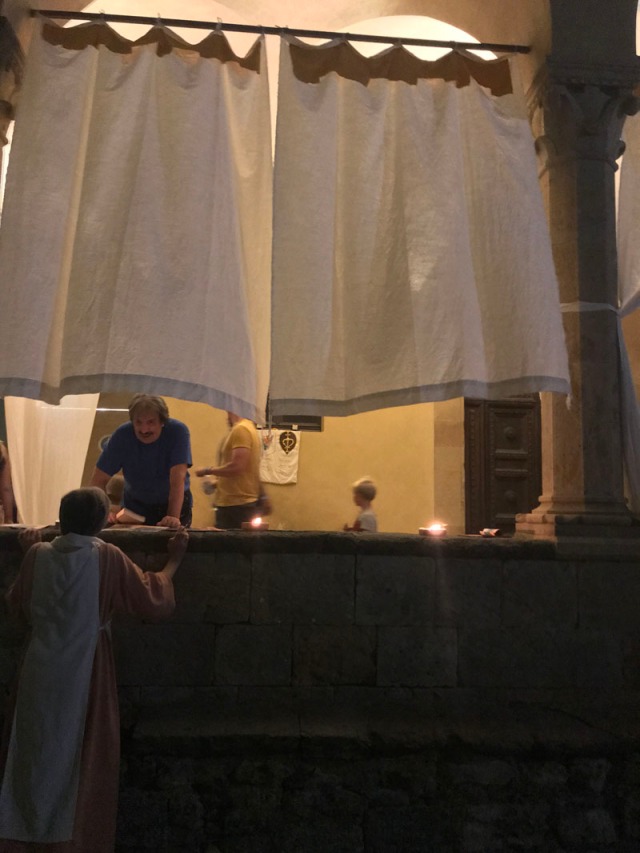
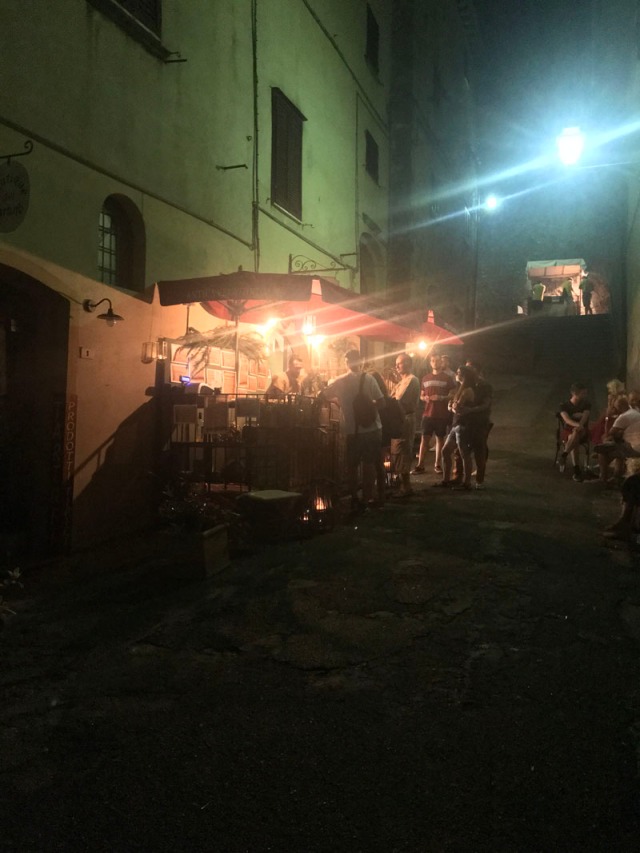
The stalls in town were lit up, some with candles, and looked lovely.
You heard the piazza before you saw it, as it was jammed with people, looking at the jester group perform acrobatics and fire-tricks.

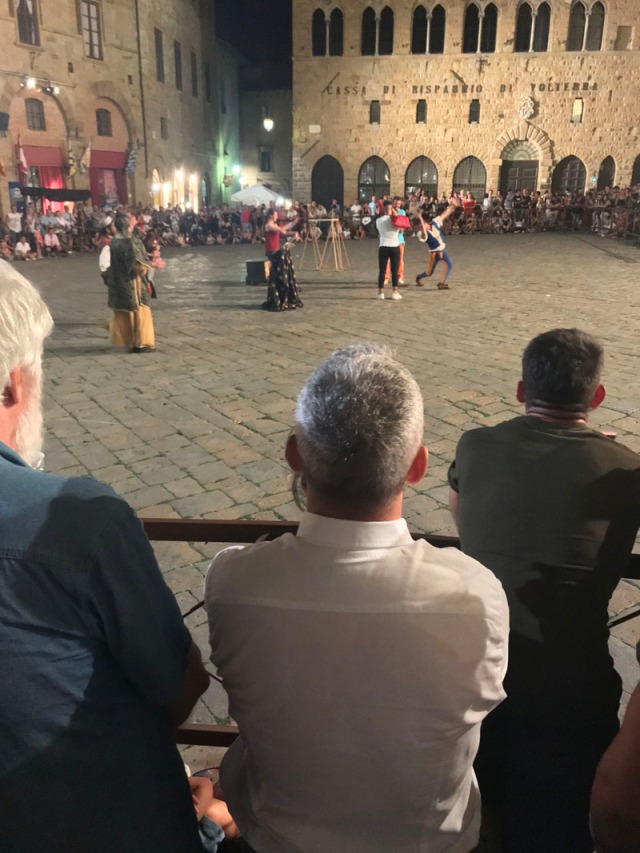

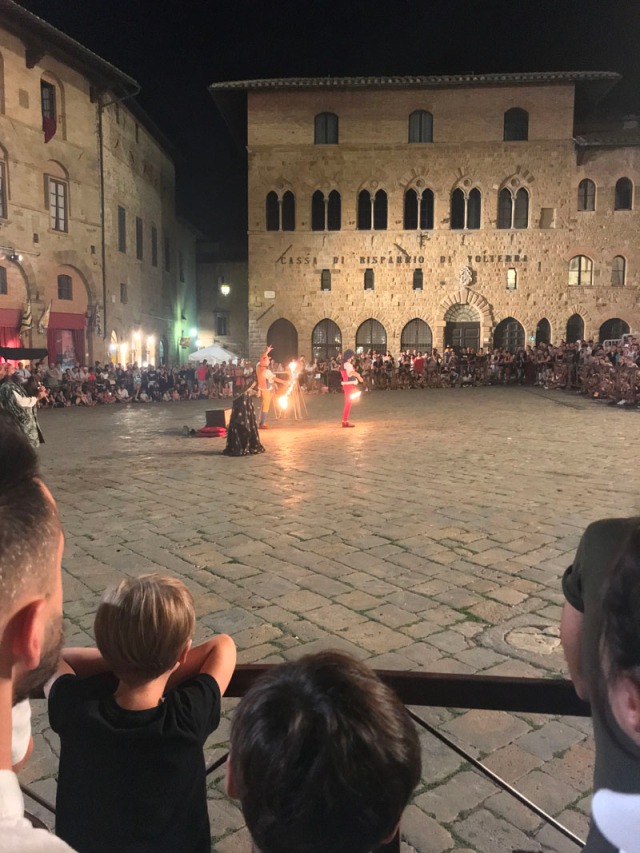
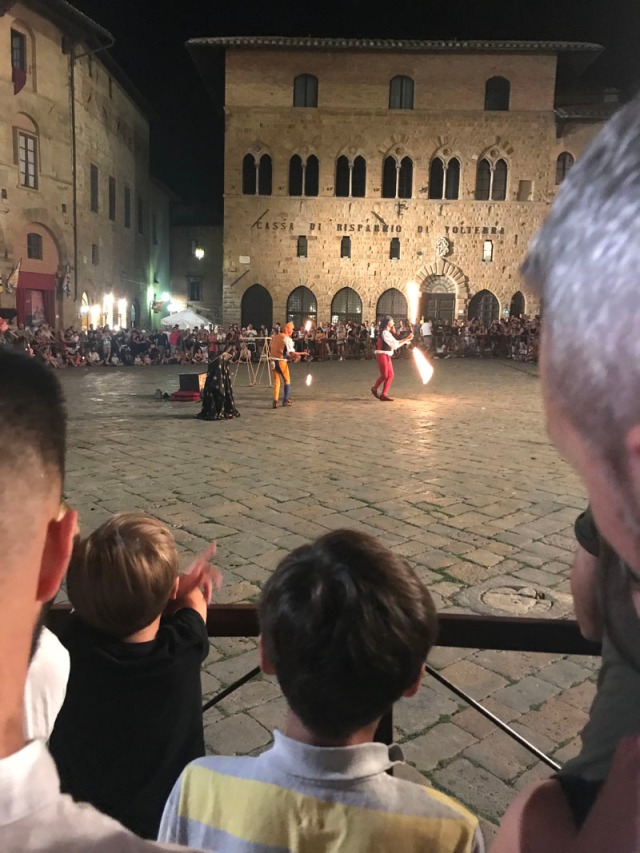
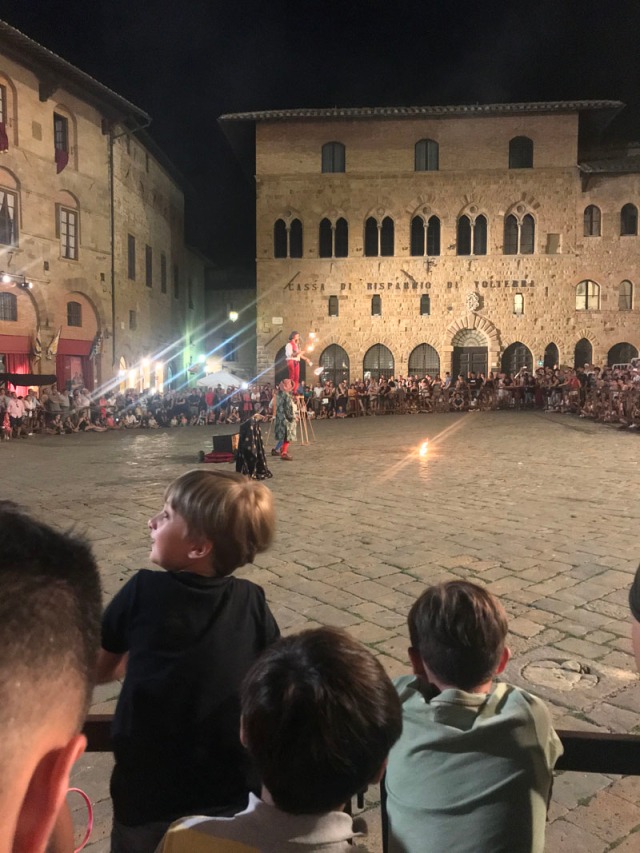

All-in-all, it was a brilliant day, and we will have a guest with us next week to go through the whole thing again. I honestly can’t wait.
I surprised myself this morning, by being wide awake well in time for dropping the trash downstairs and going for a walk.

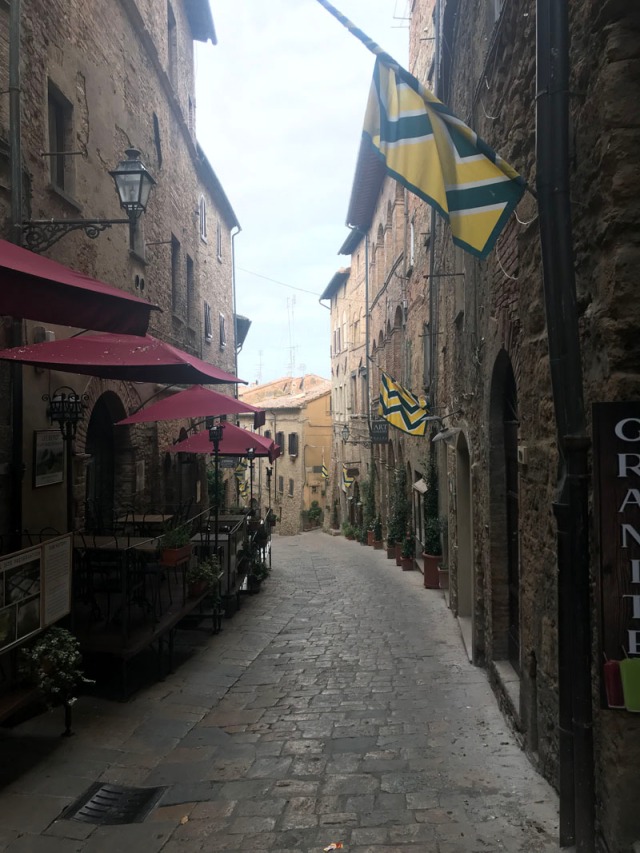
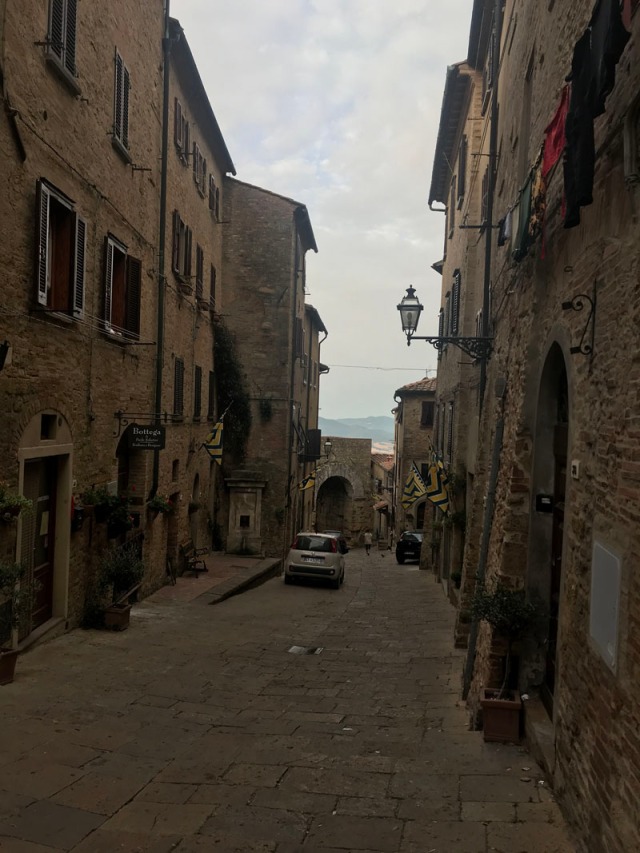


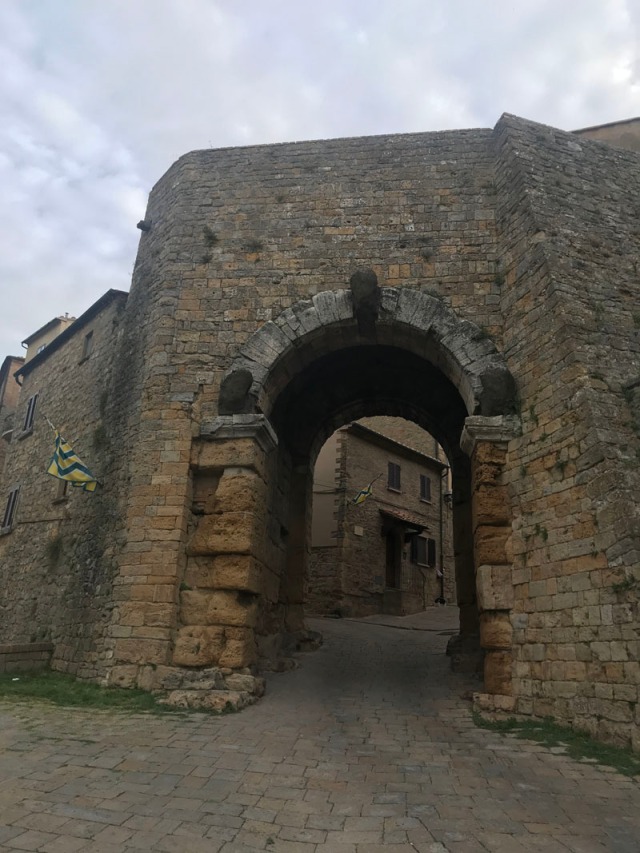

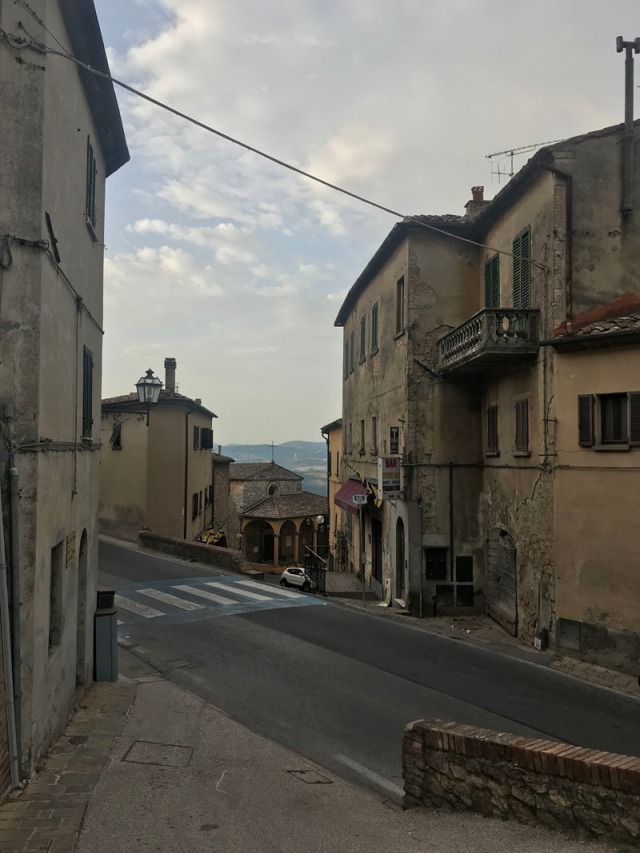

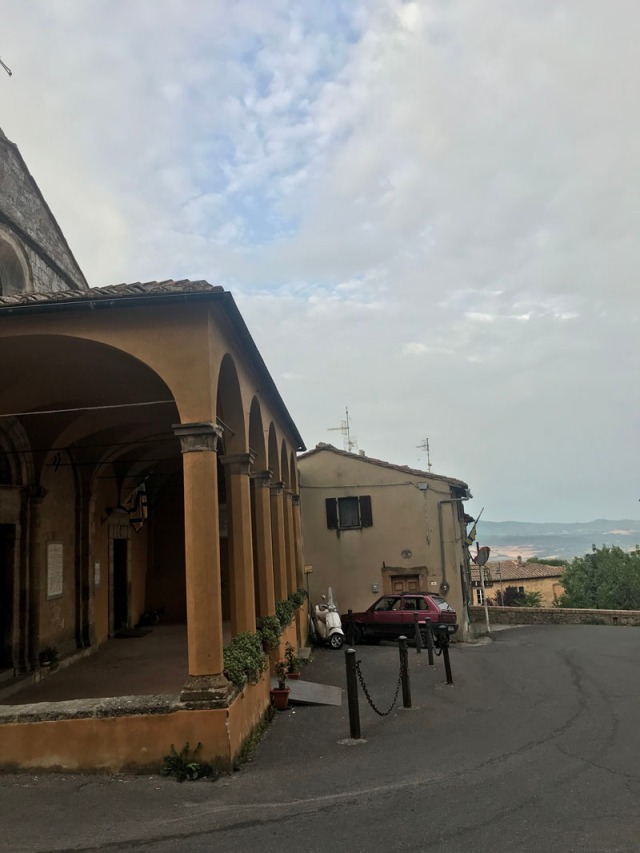

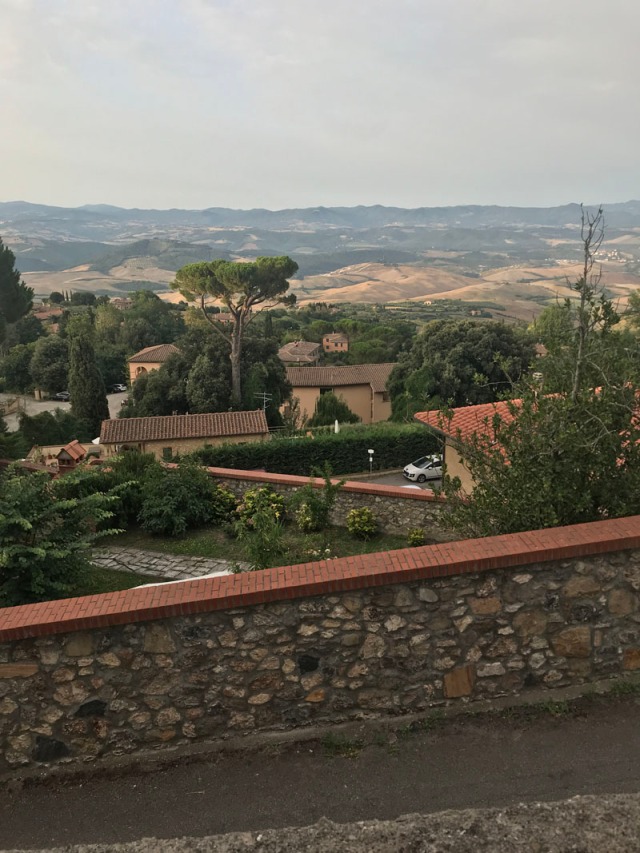



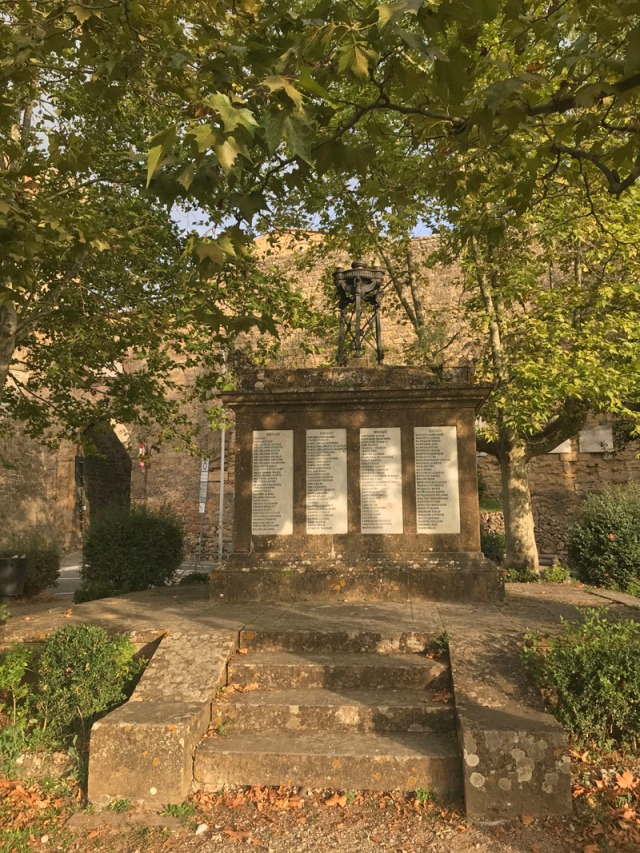


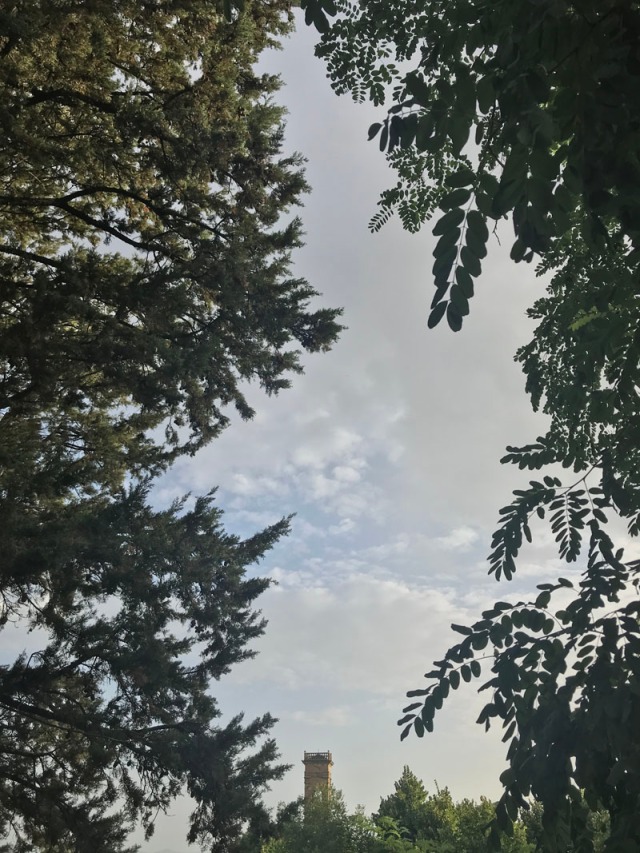
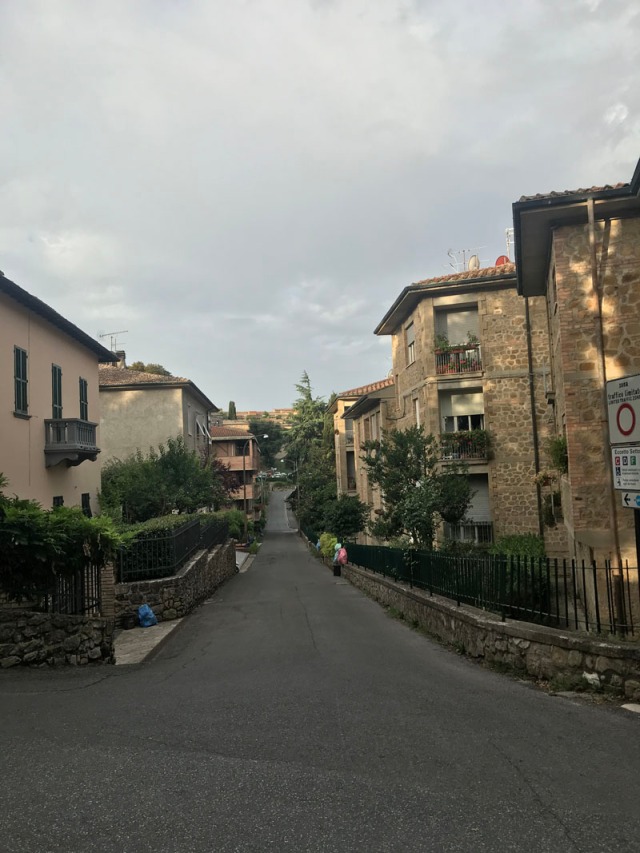
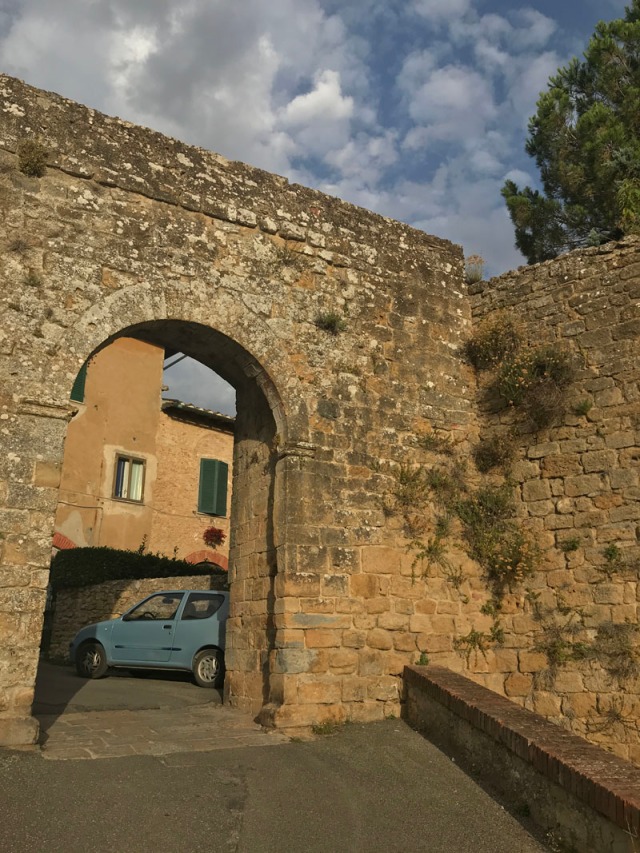
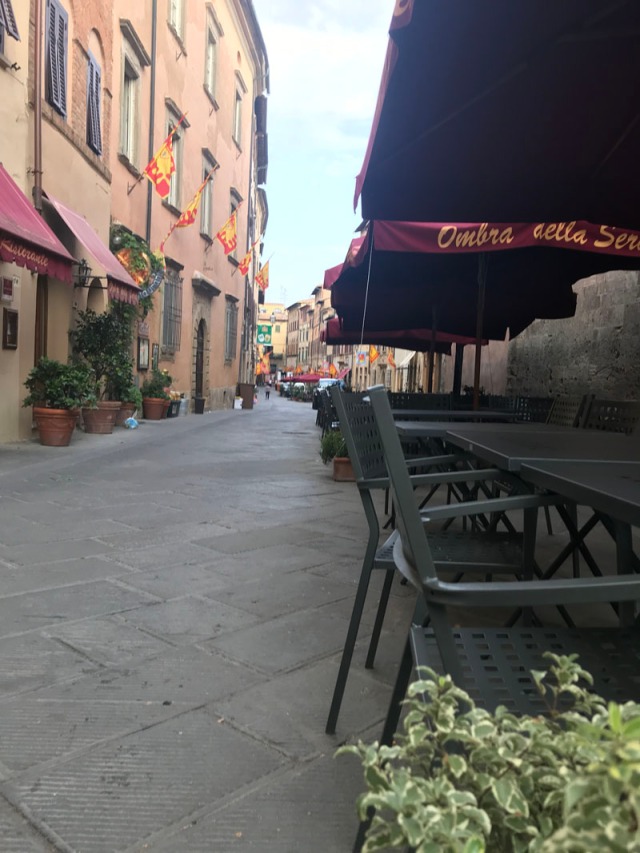
It was a great deal quieter than it was yesterday!
We have no real plans today, and so might end-up taking a break from the blog tomorrow, but you never know.
I hope you enjoyed the read!


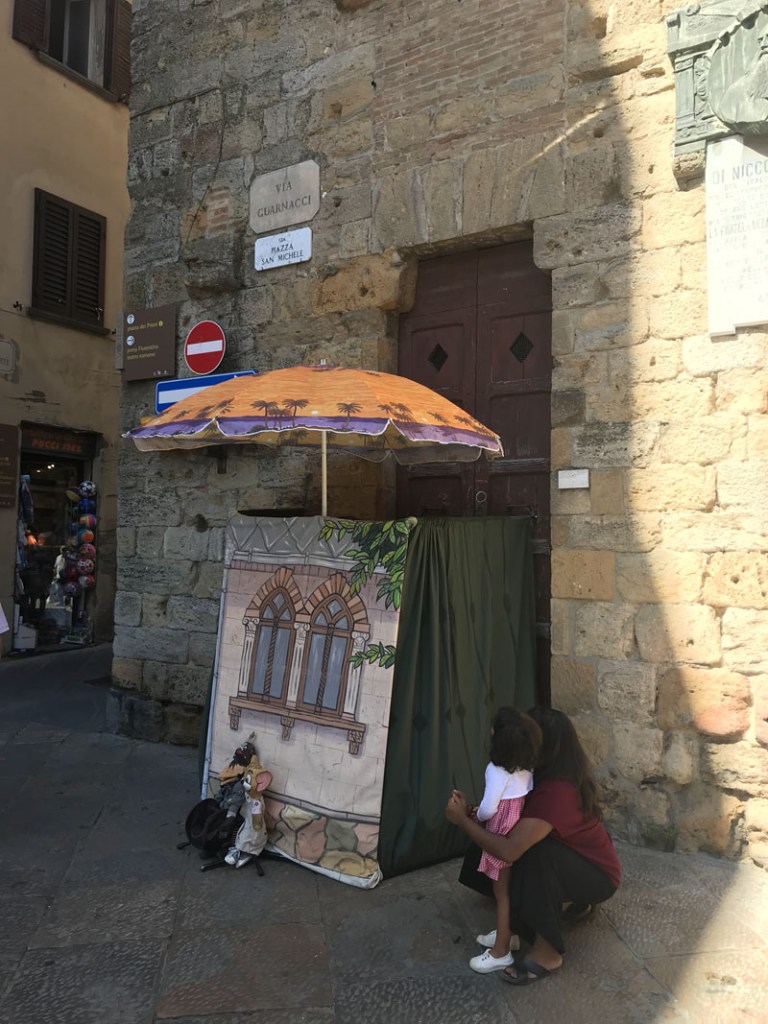


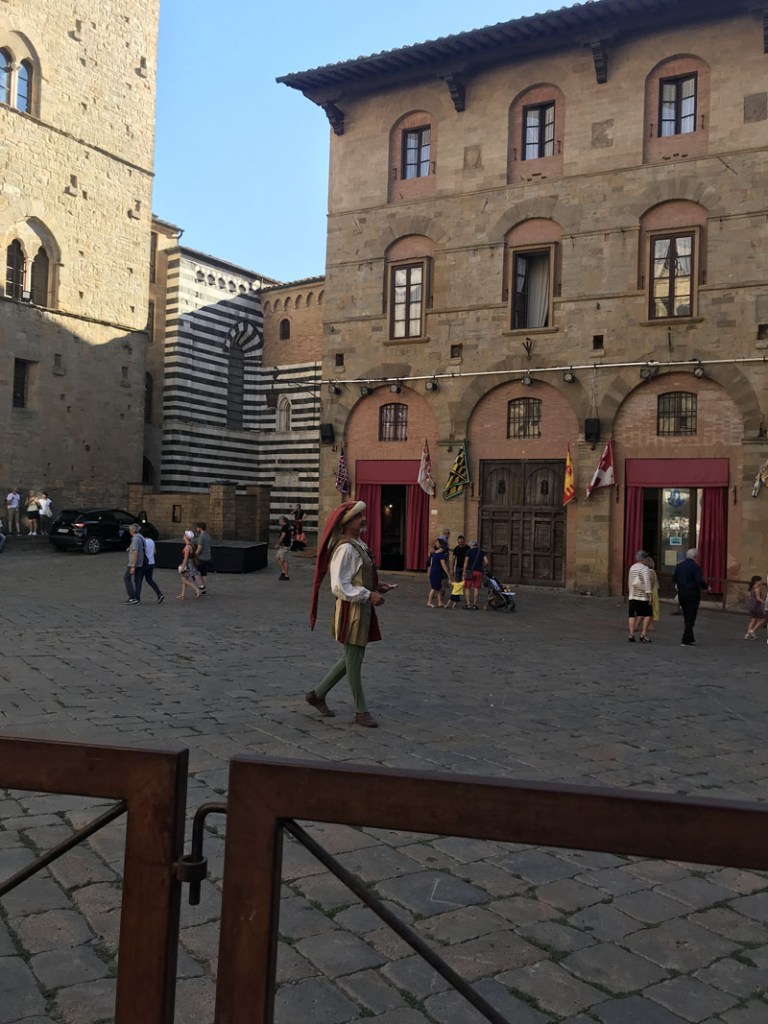











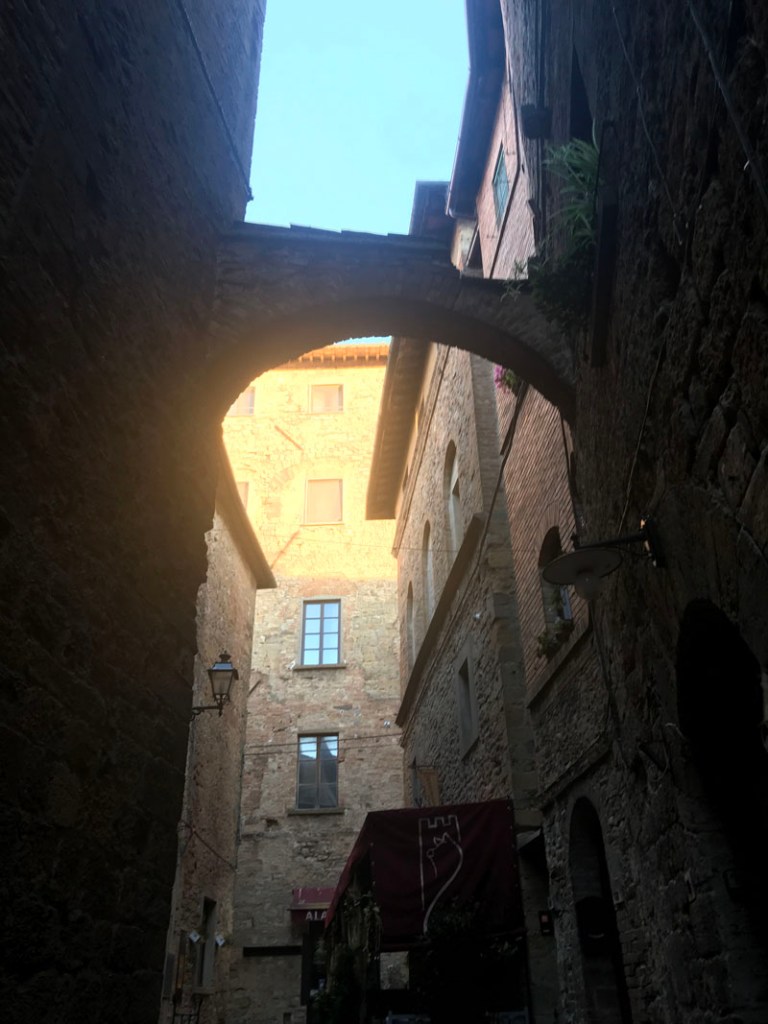
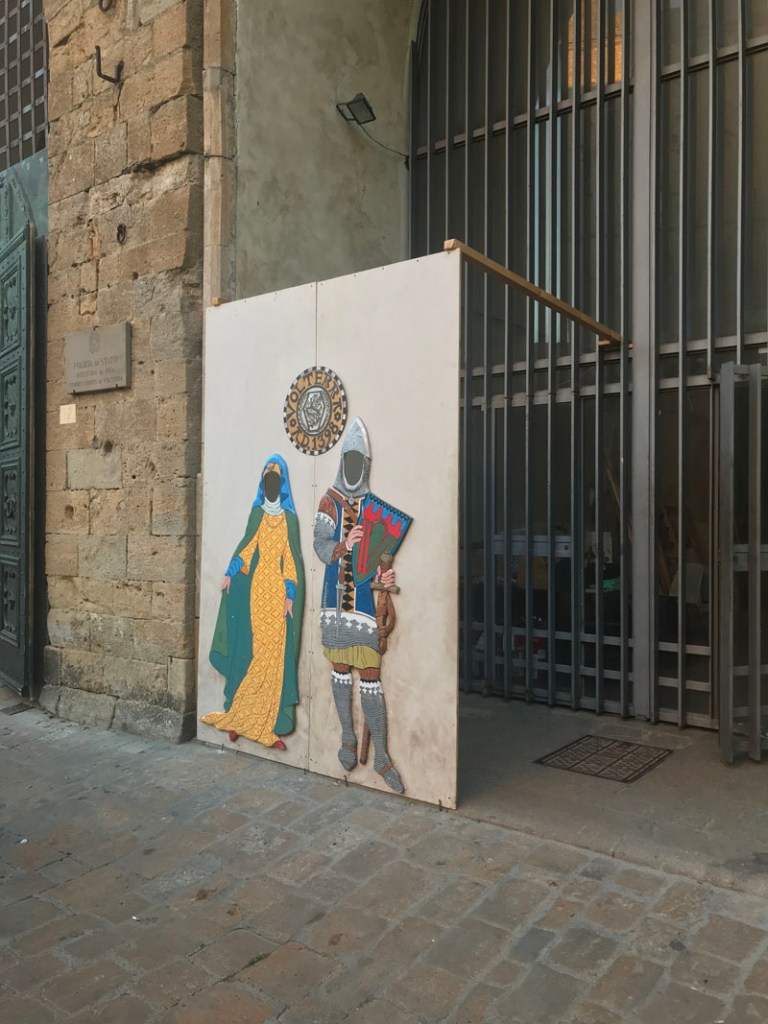
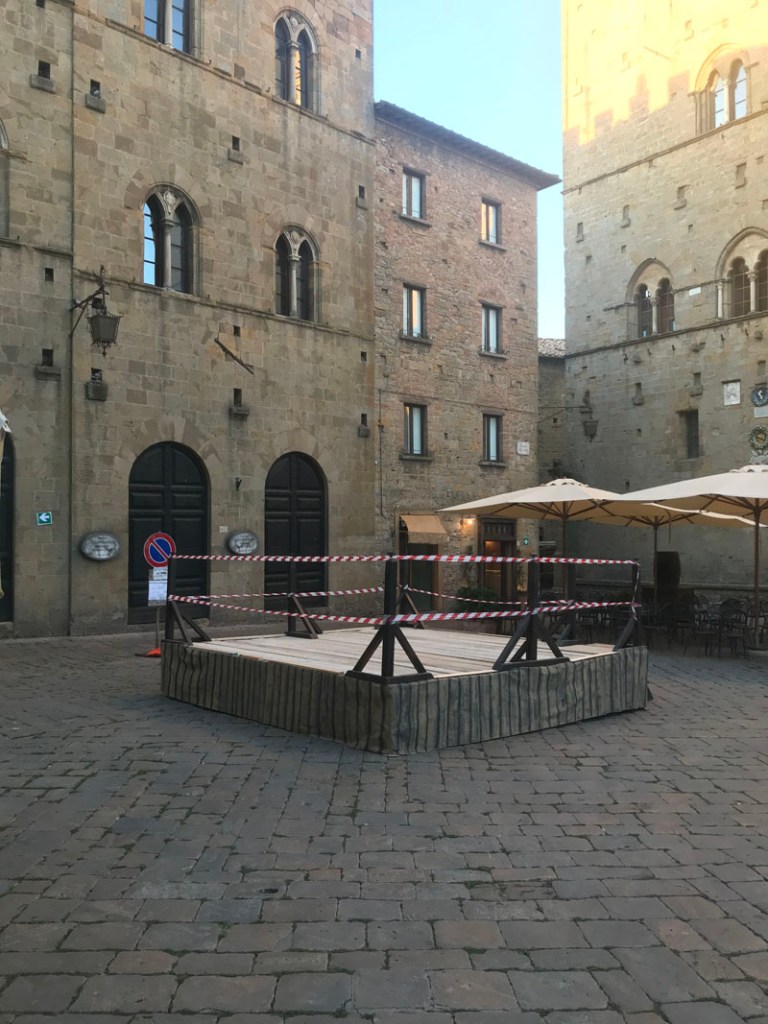


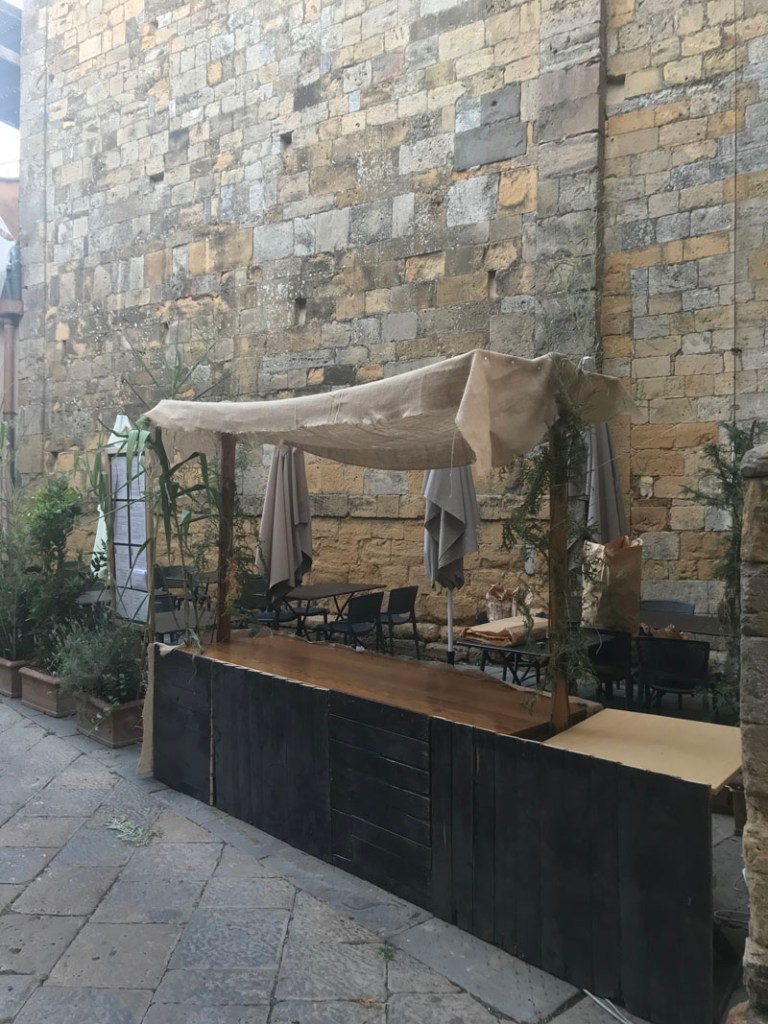

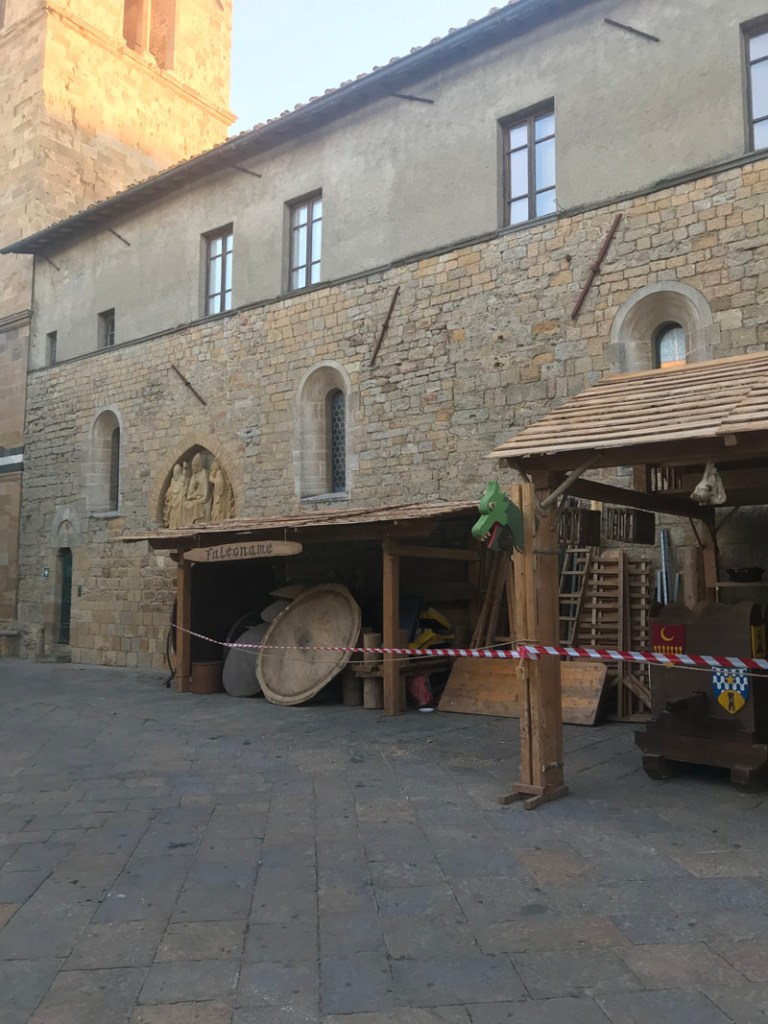




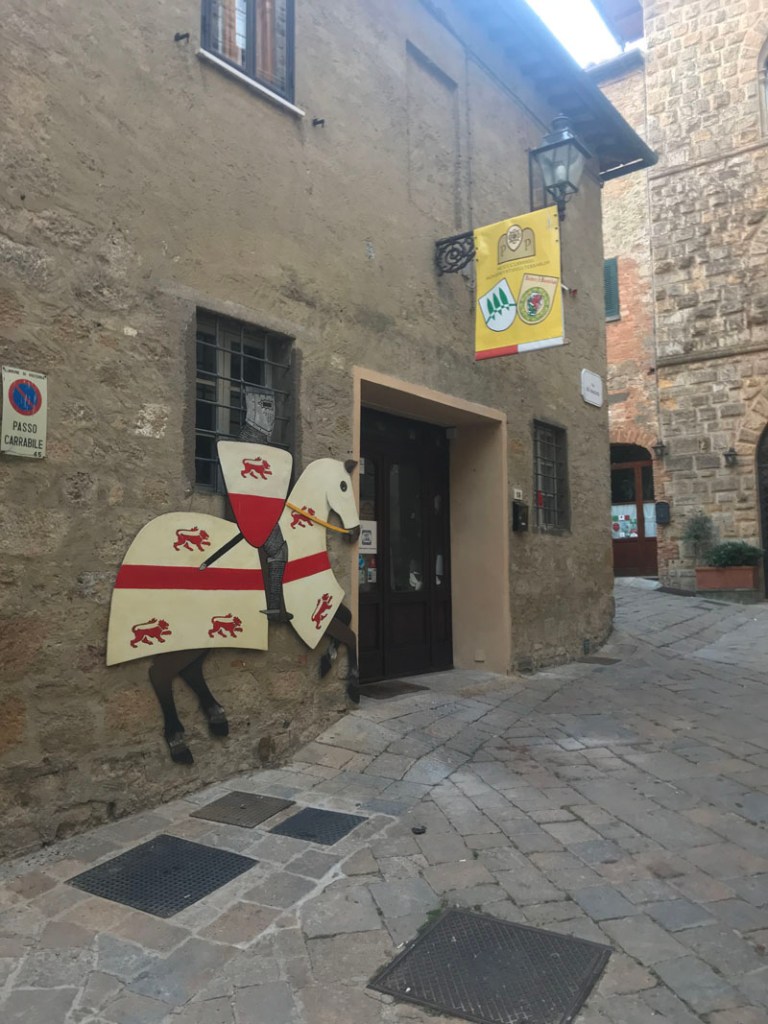


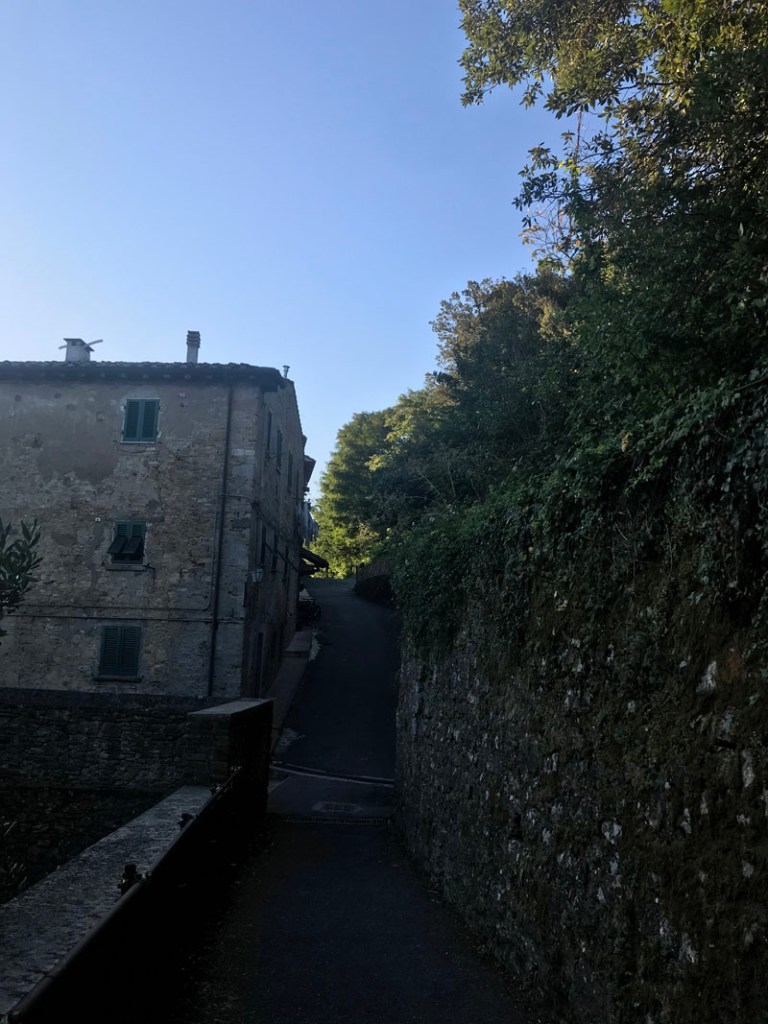

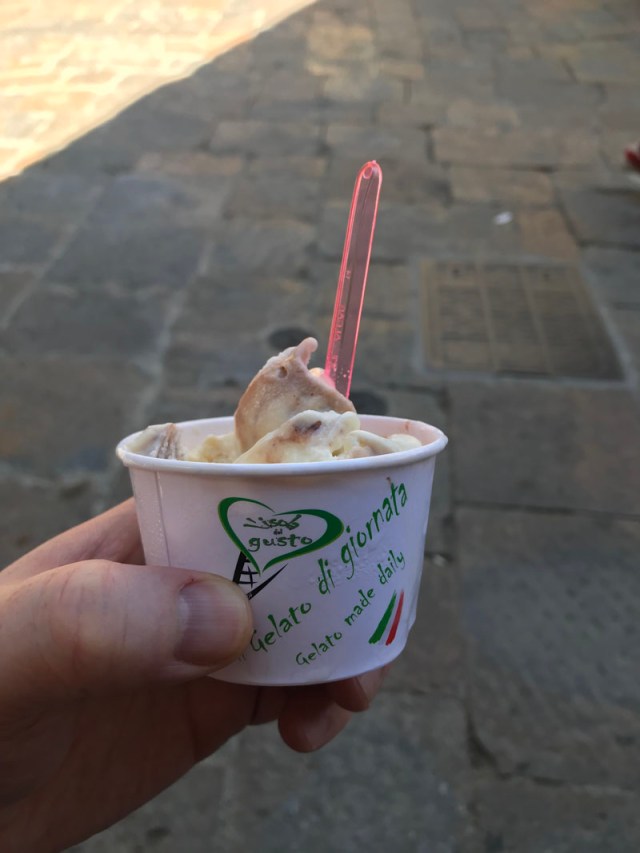
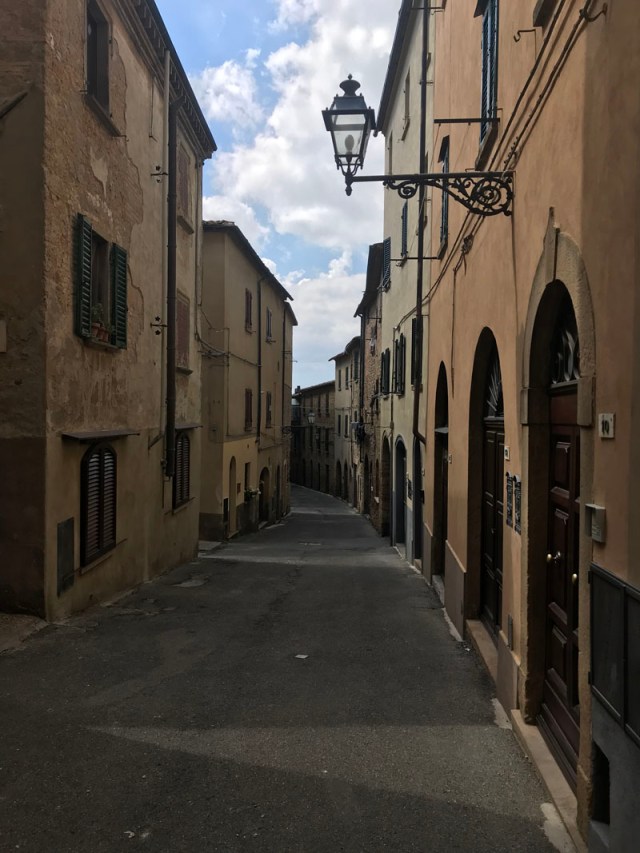
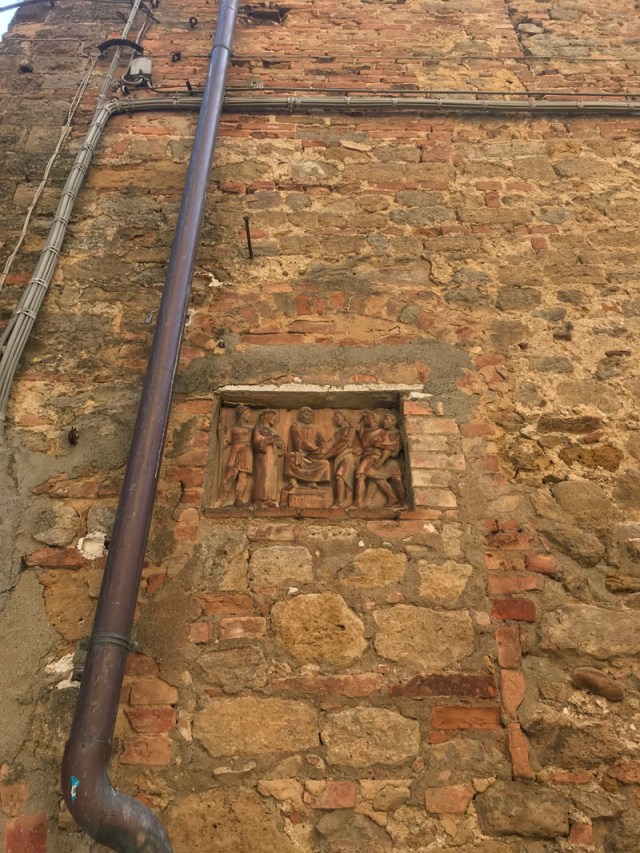
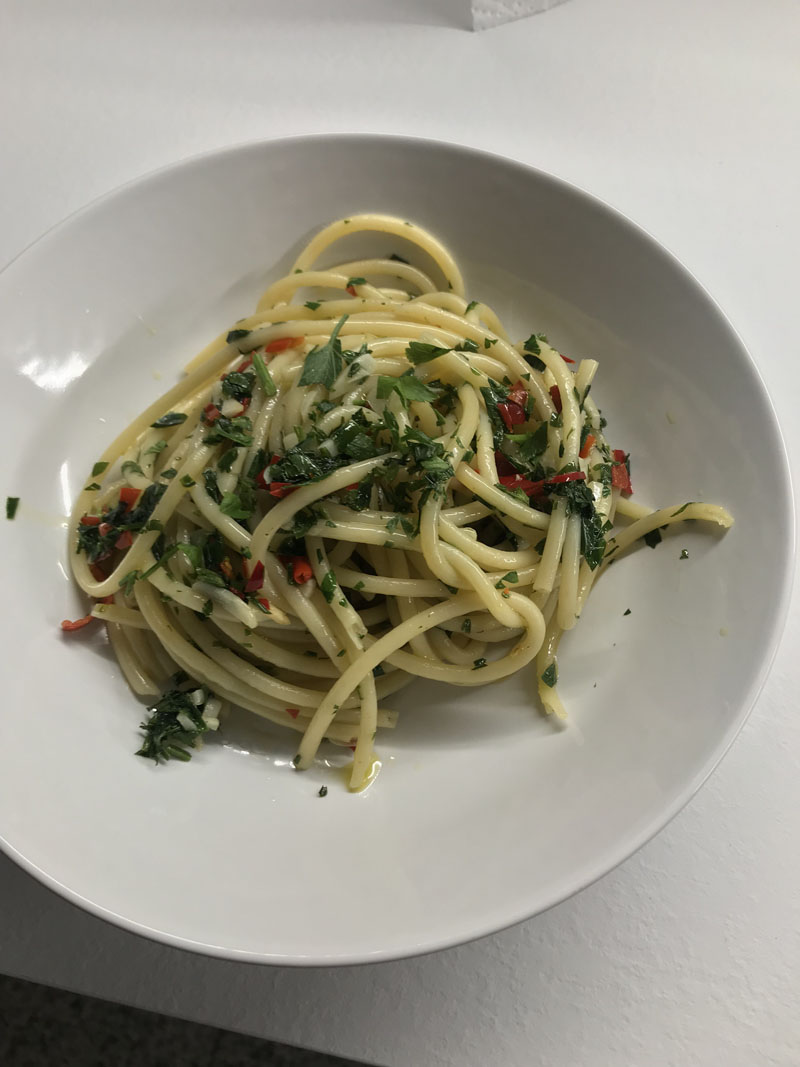





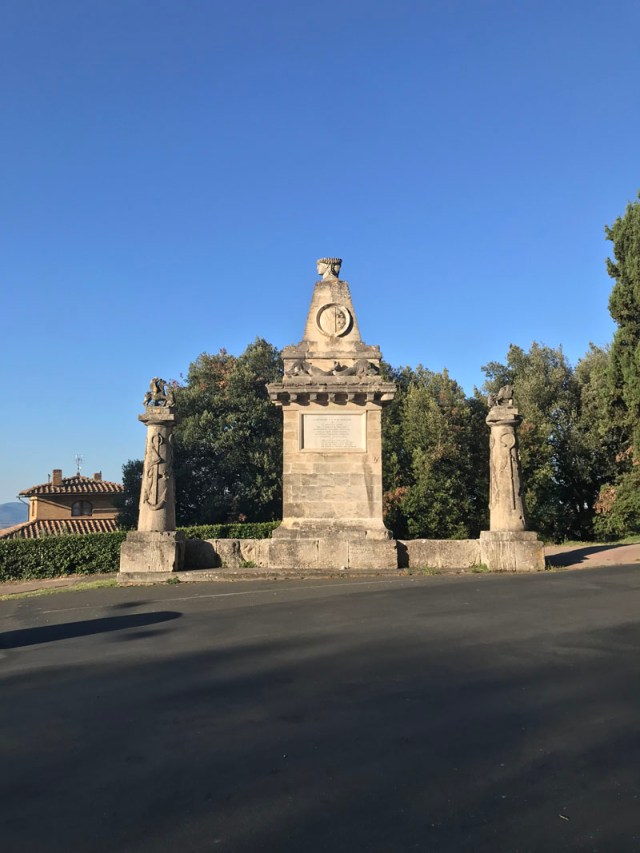
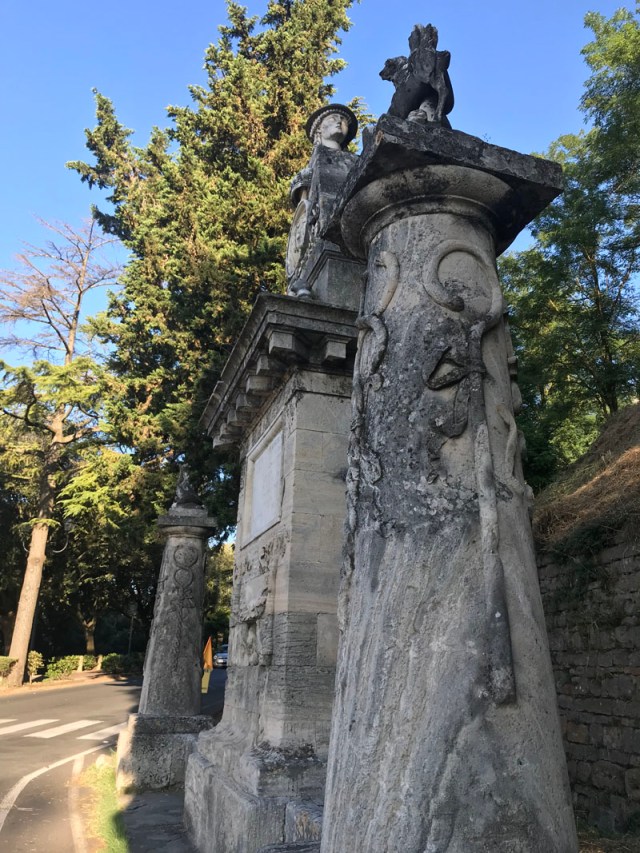

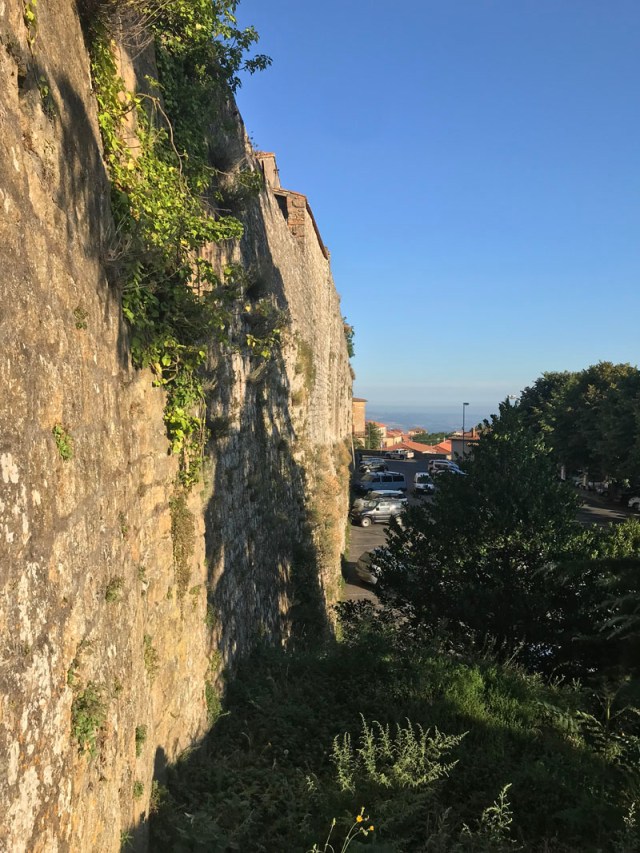

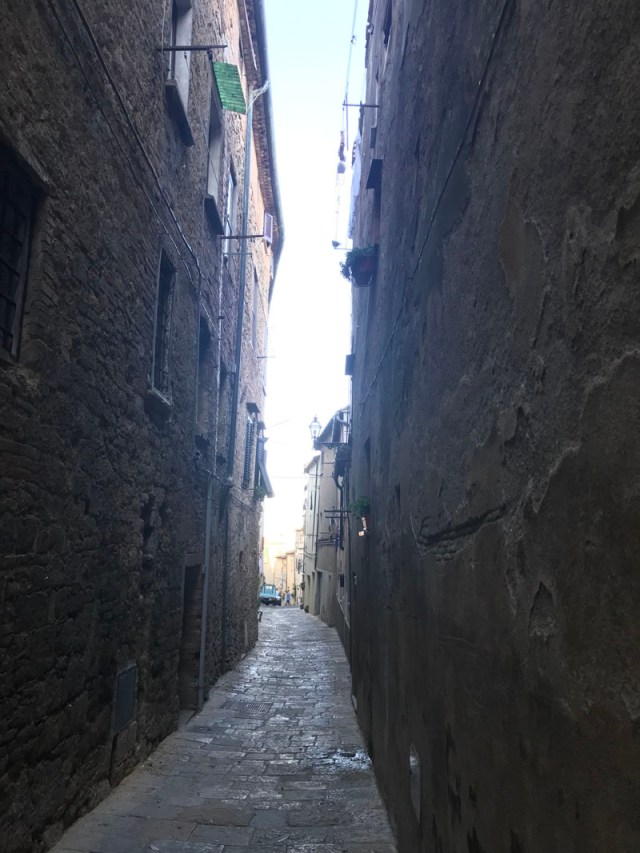
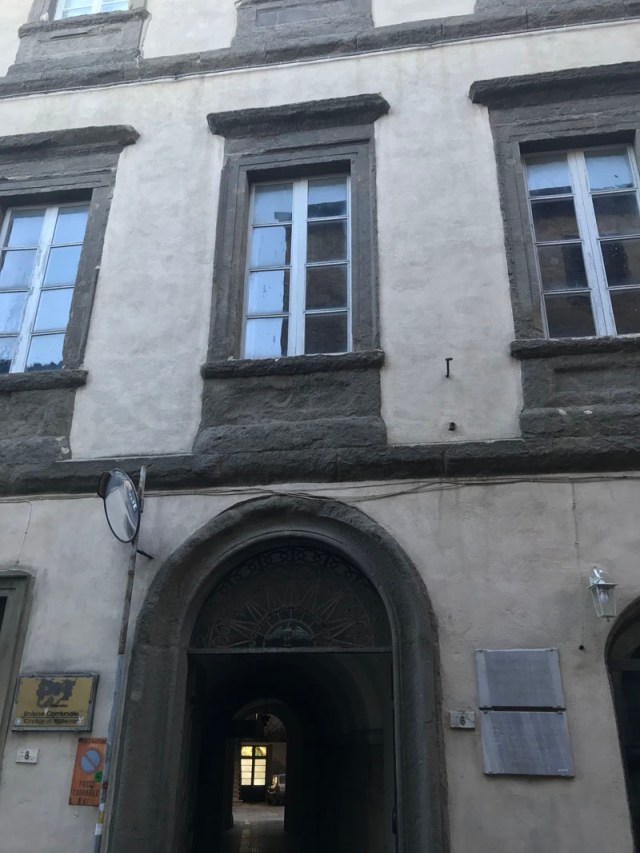
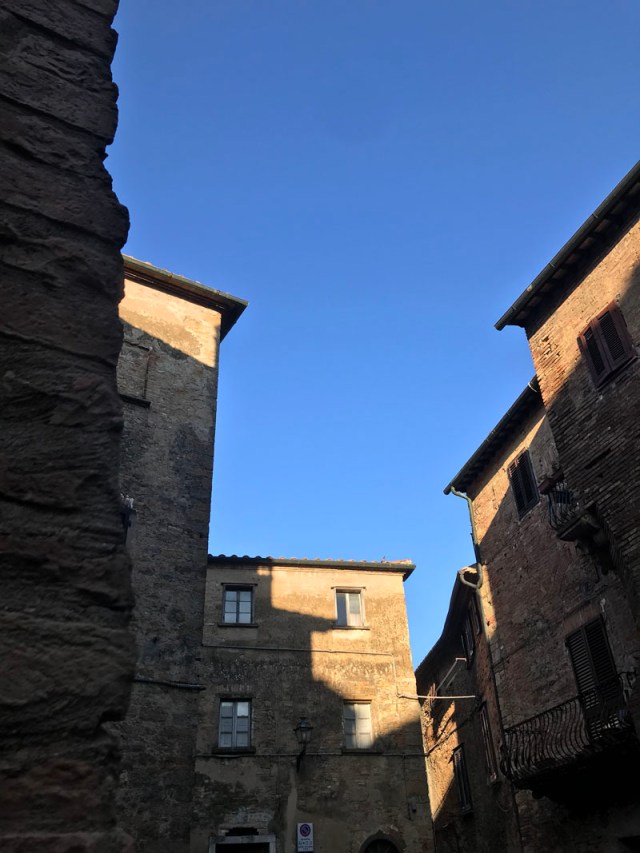

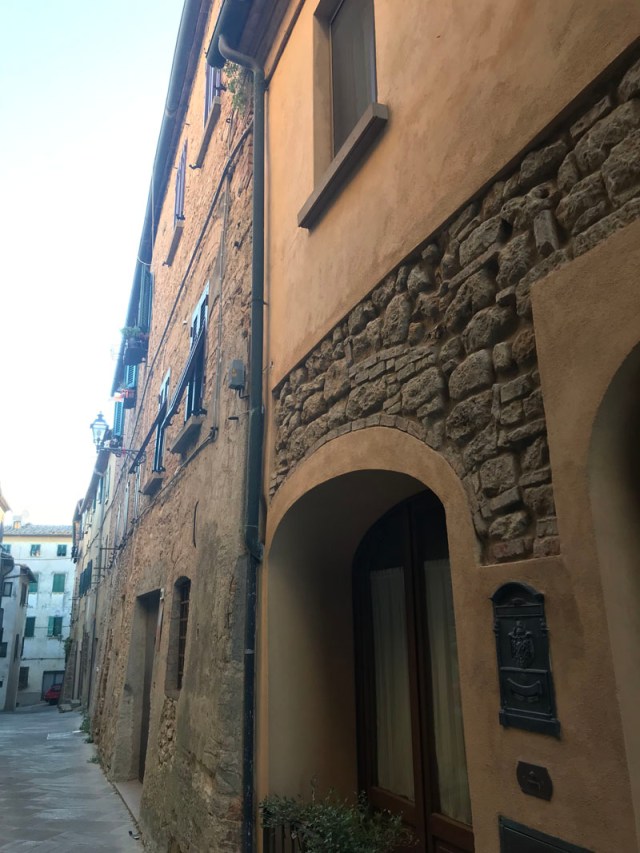
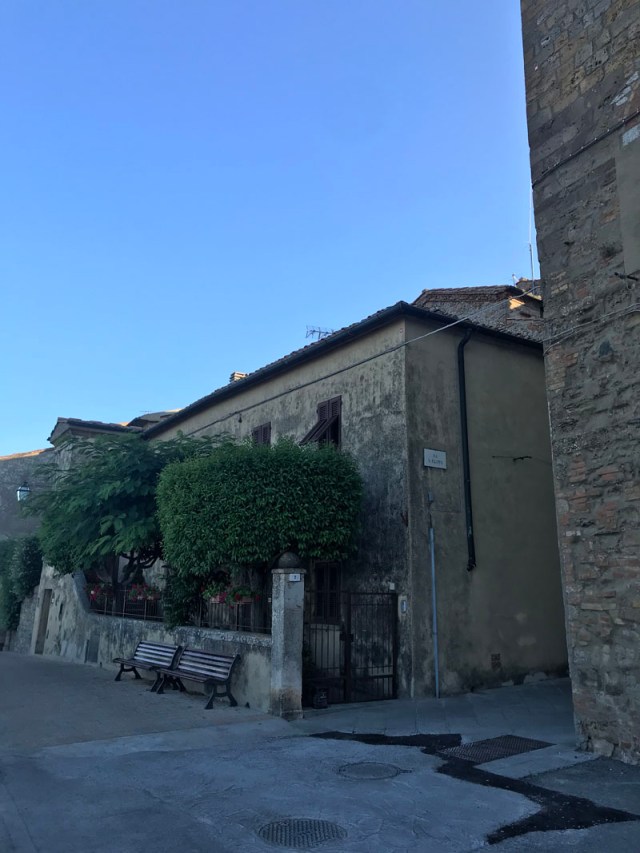
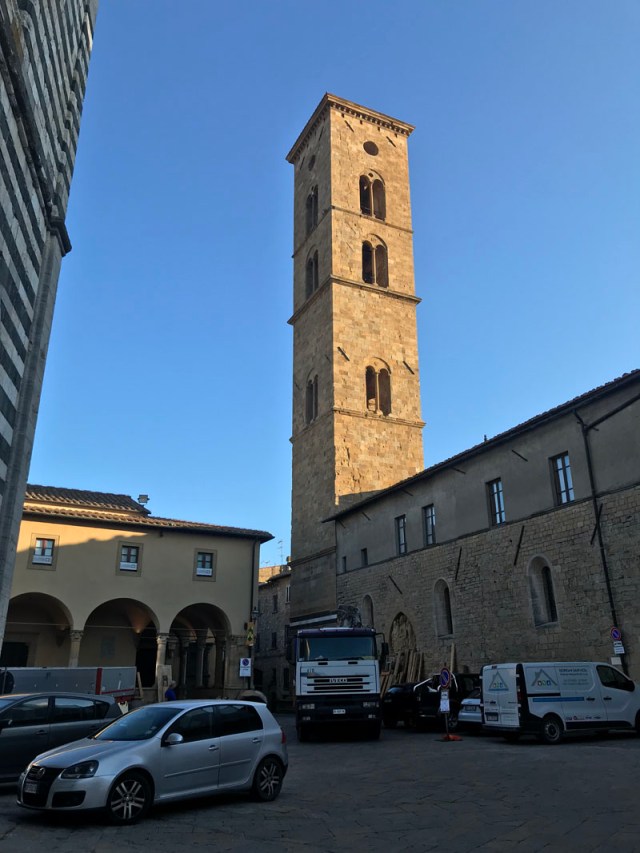
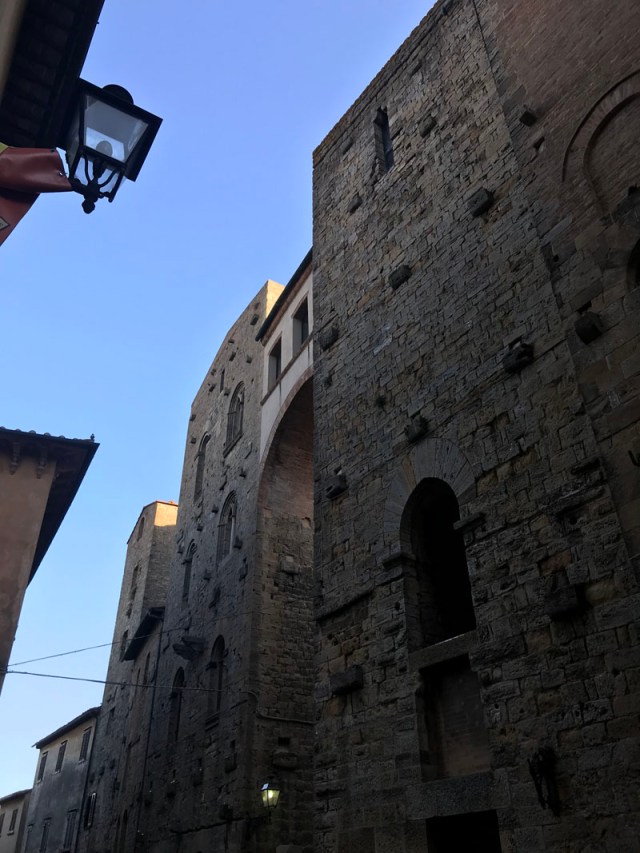

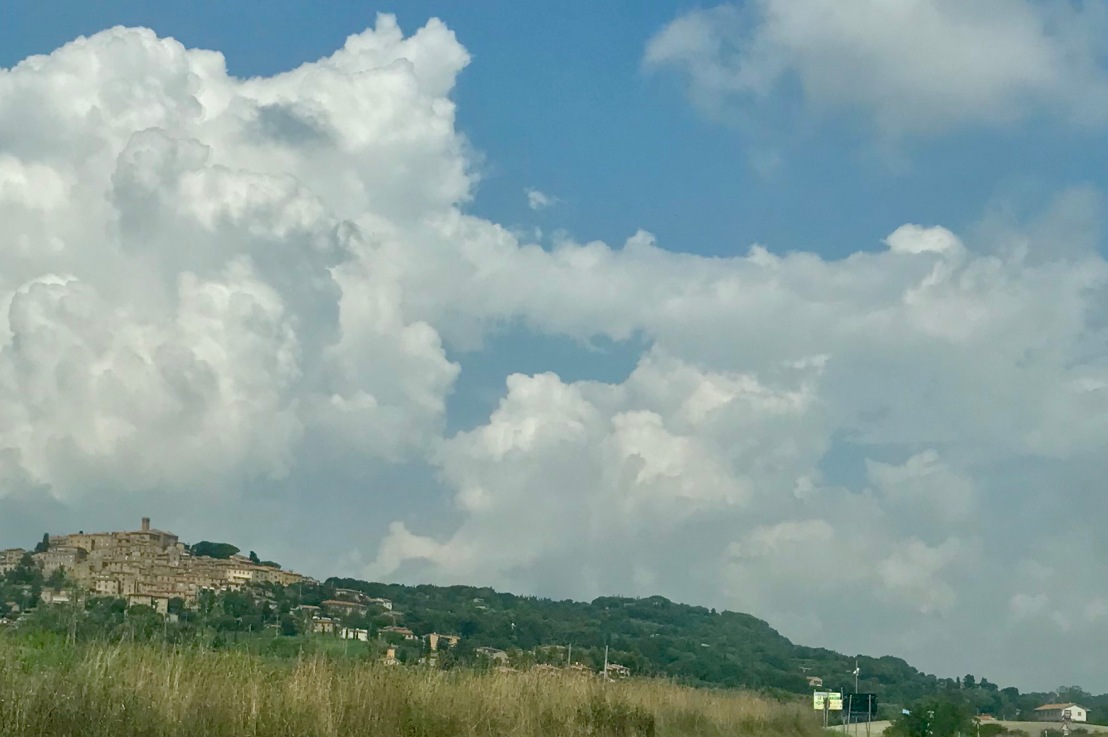
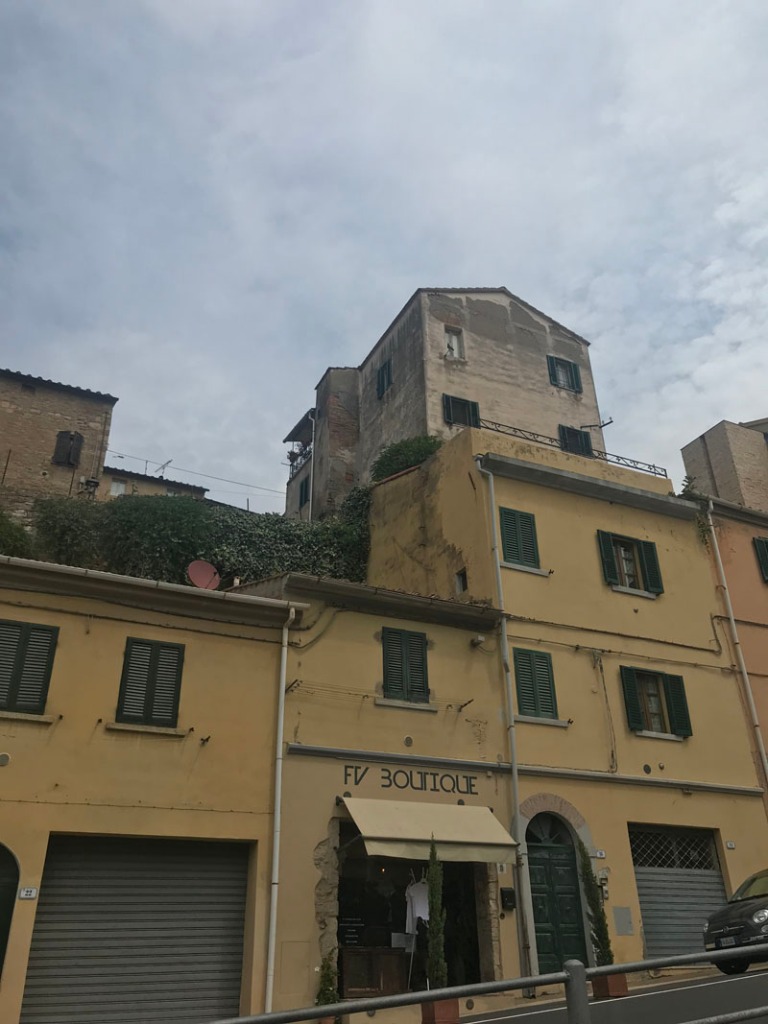
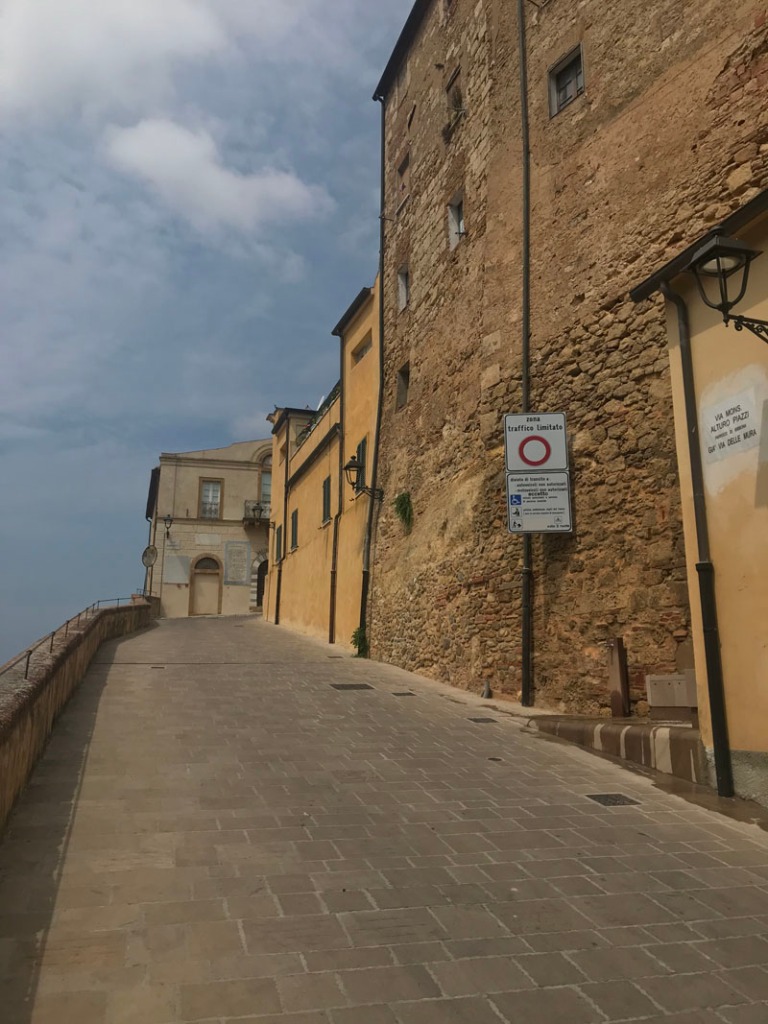


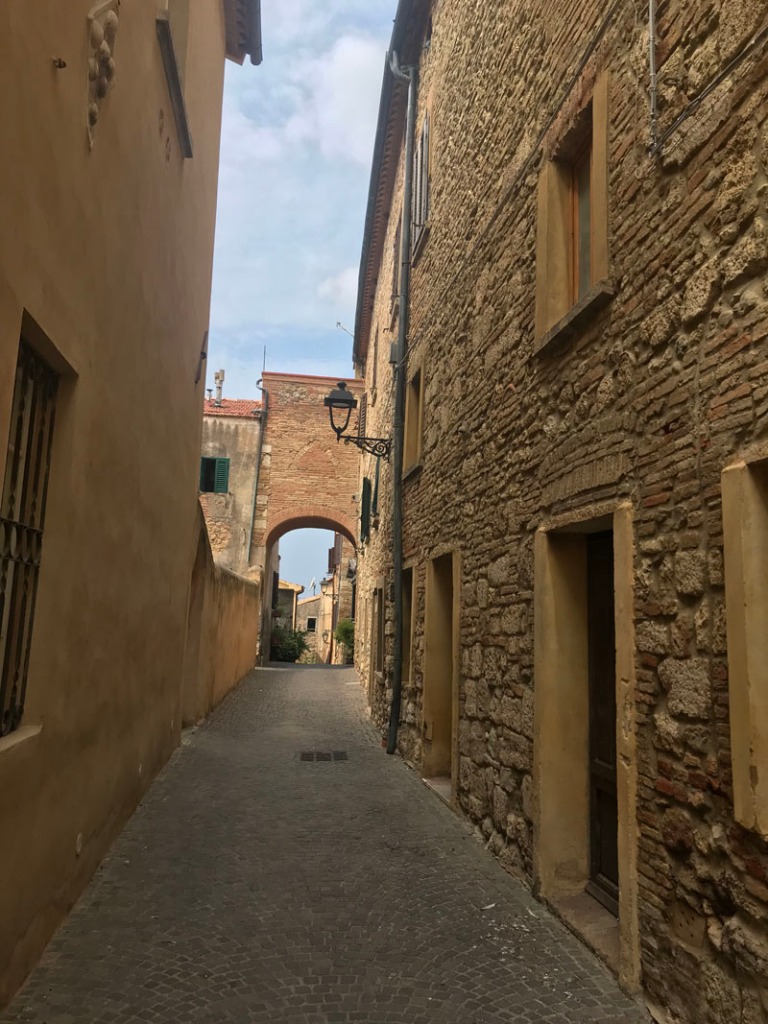

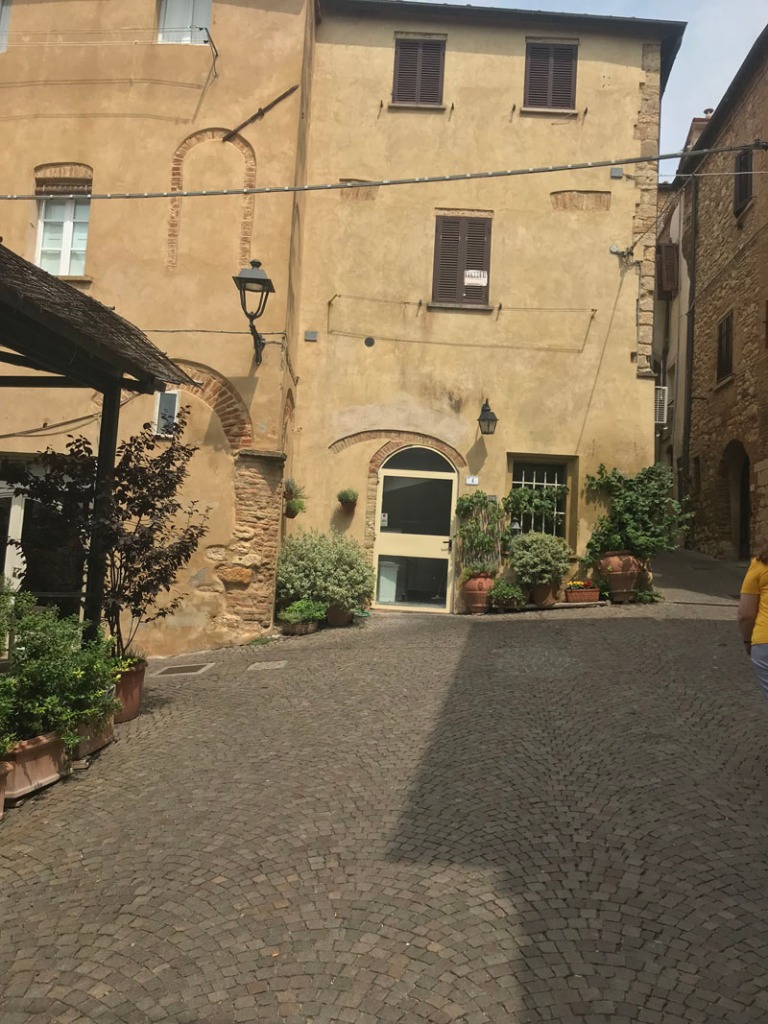

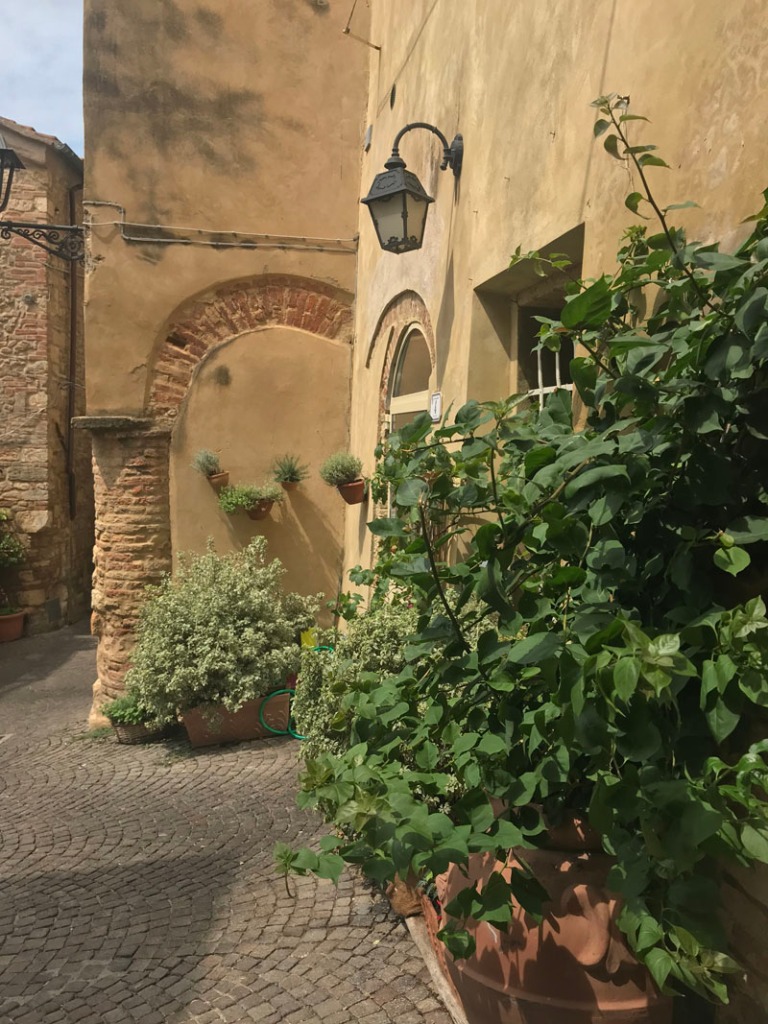
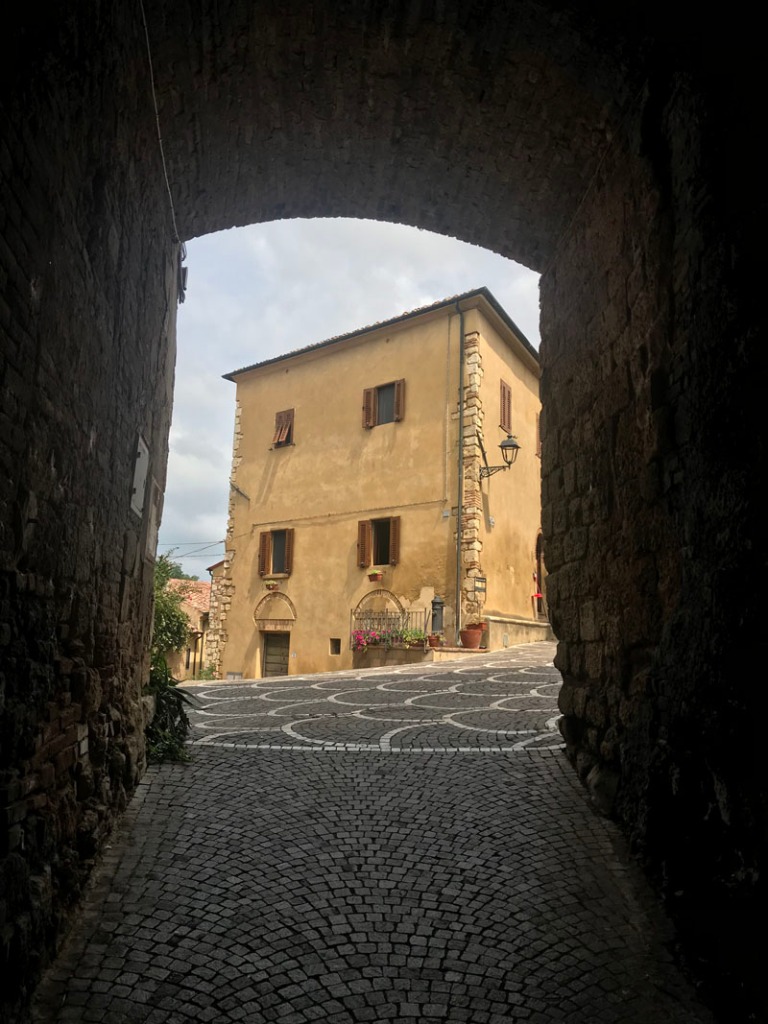
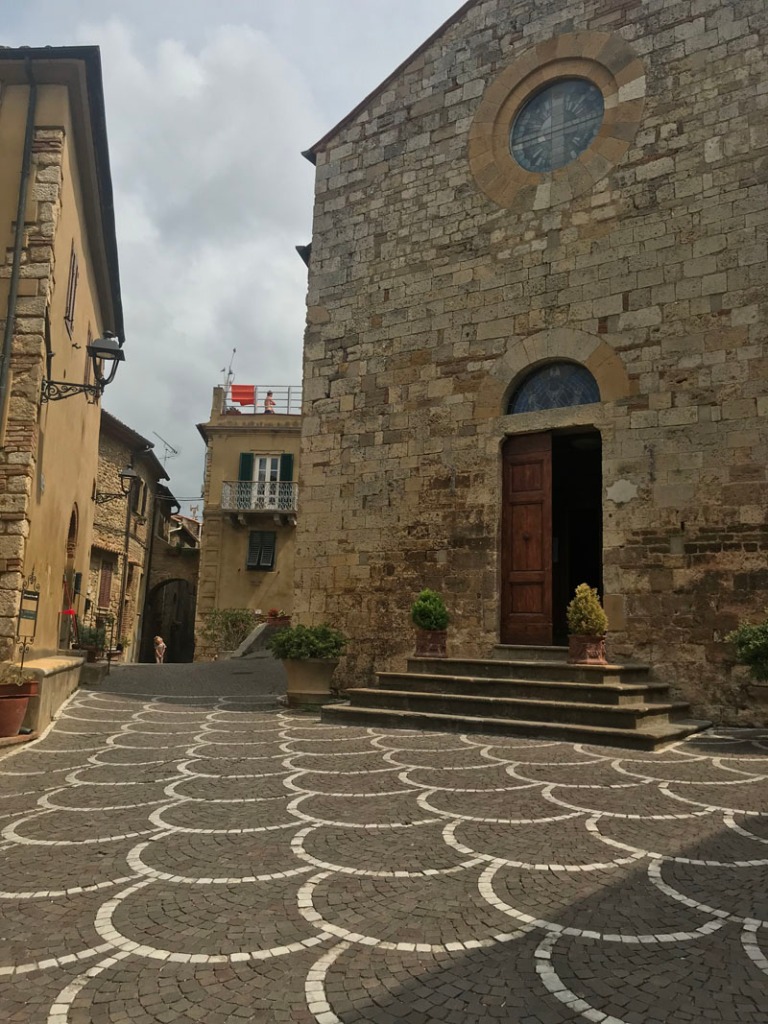

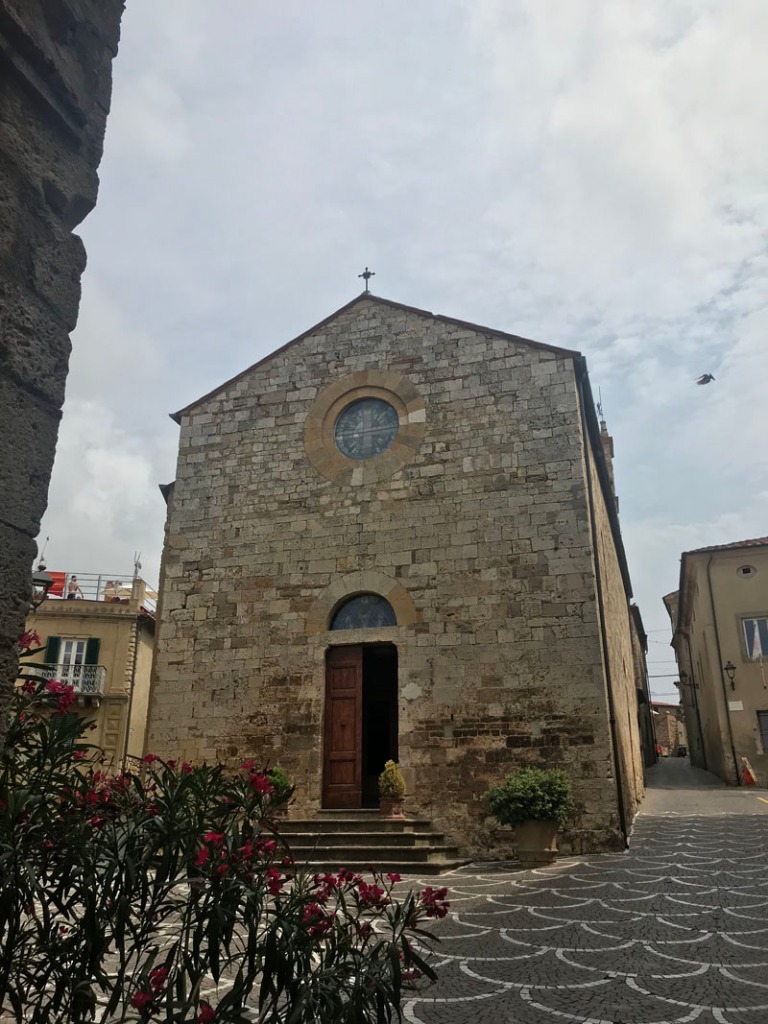

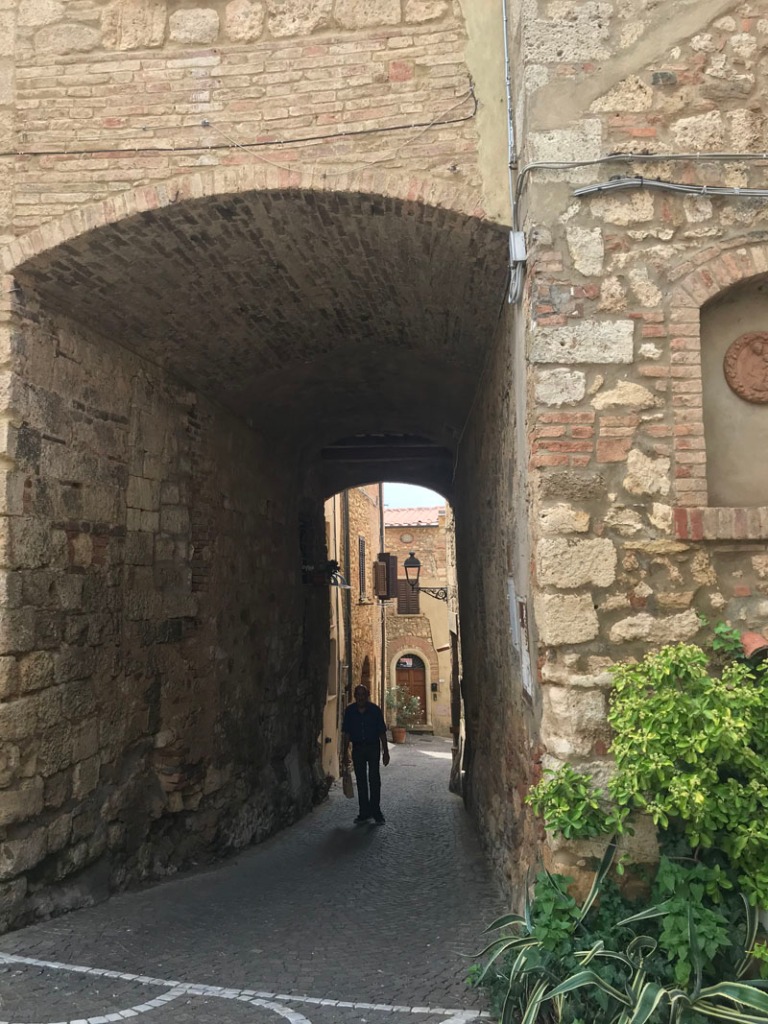
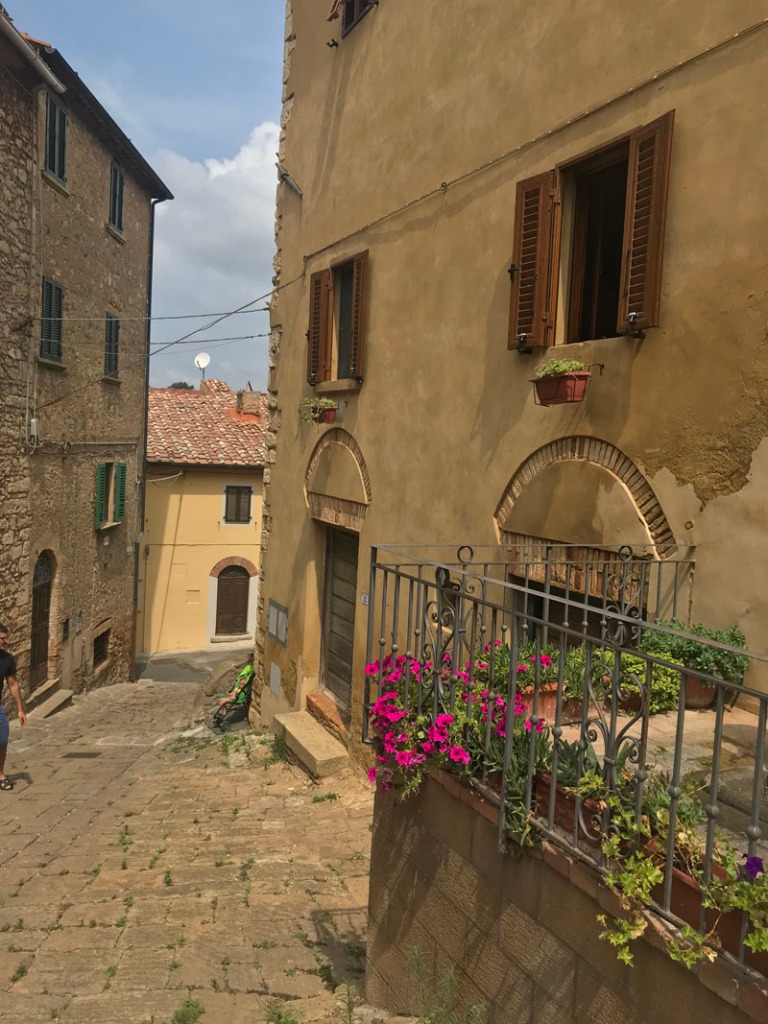
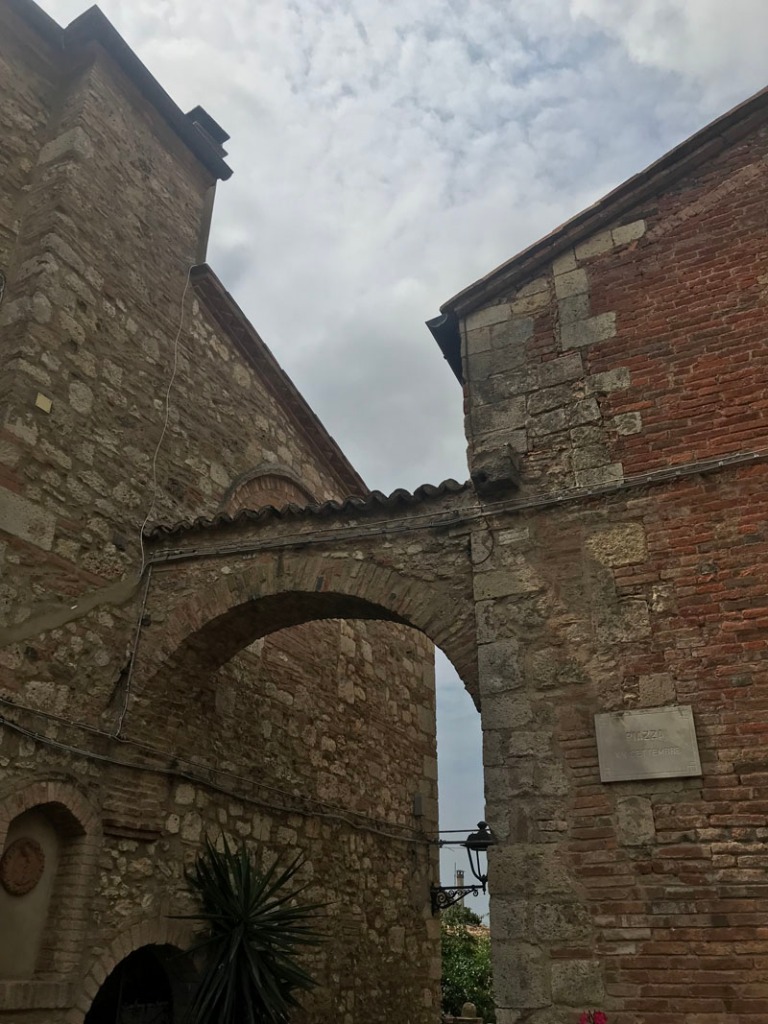
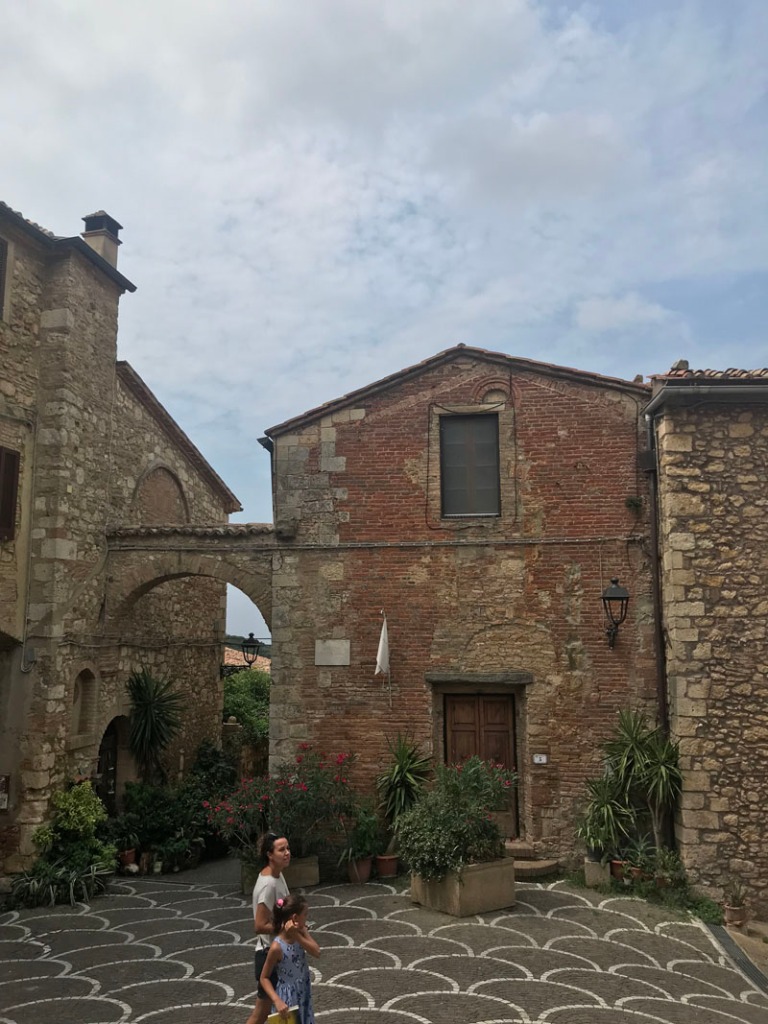
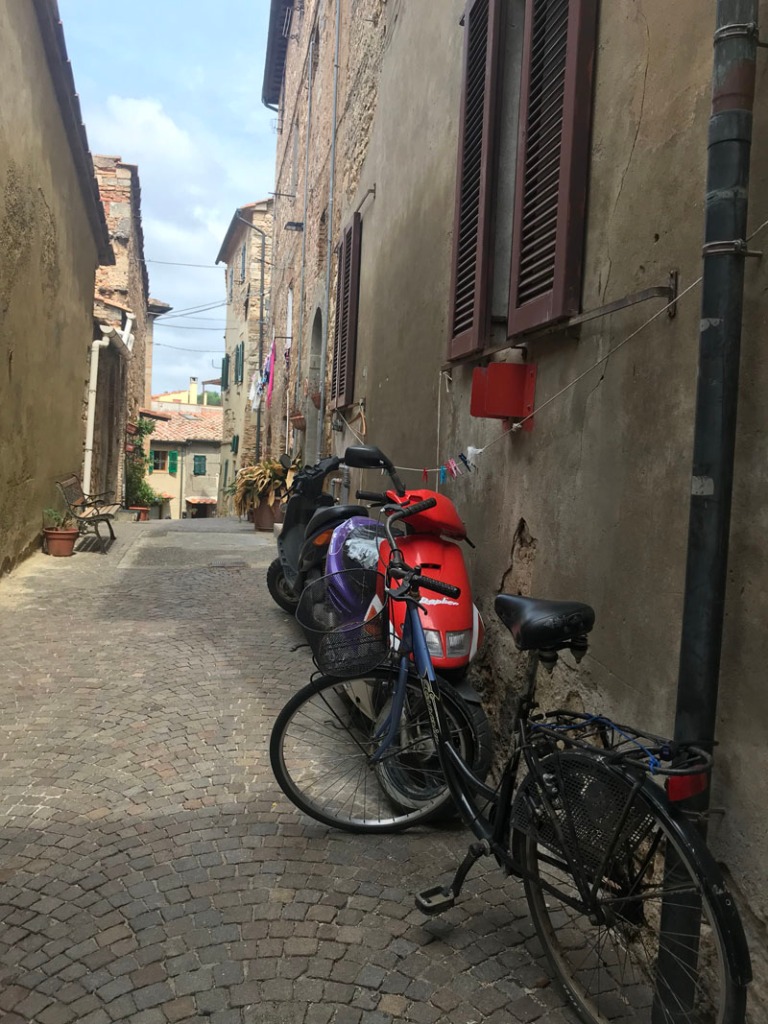
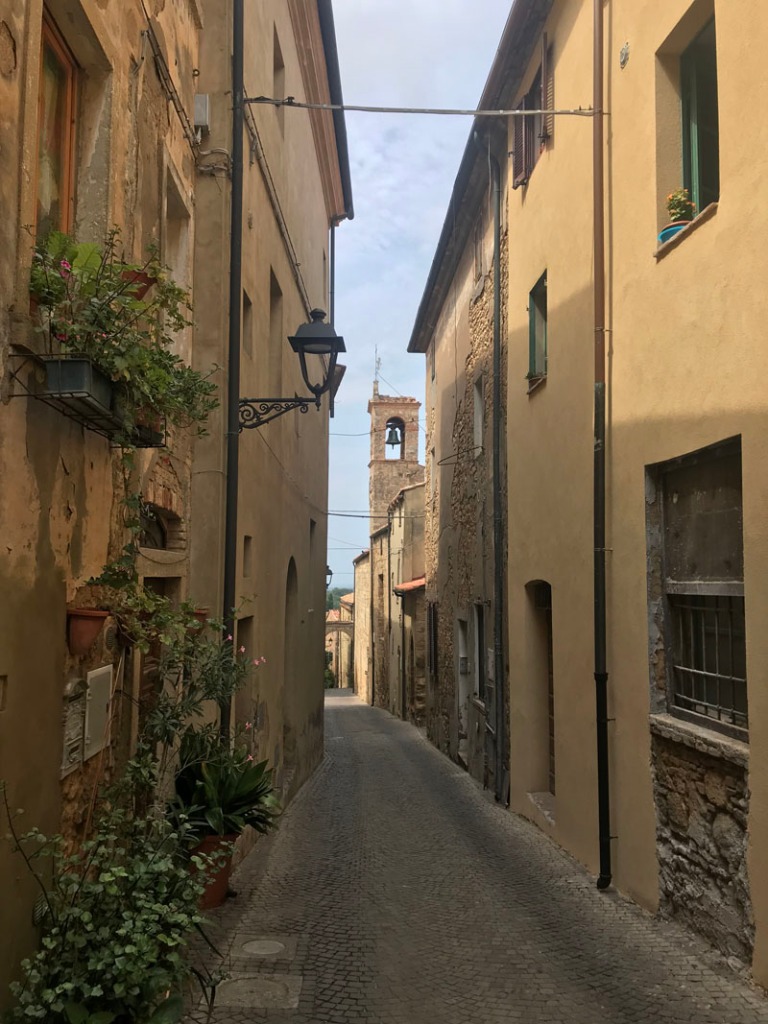

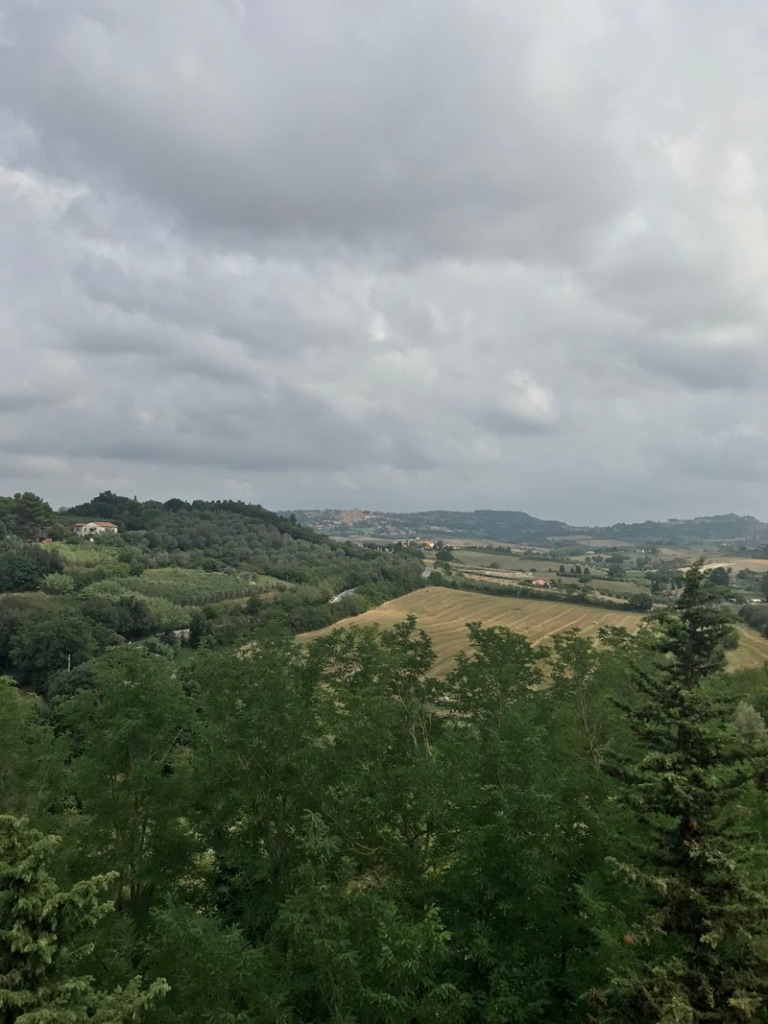


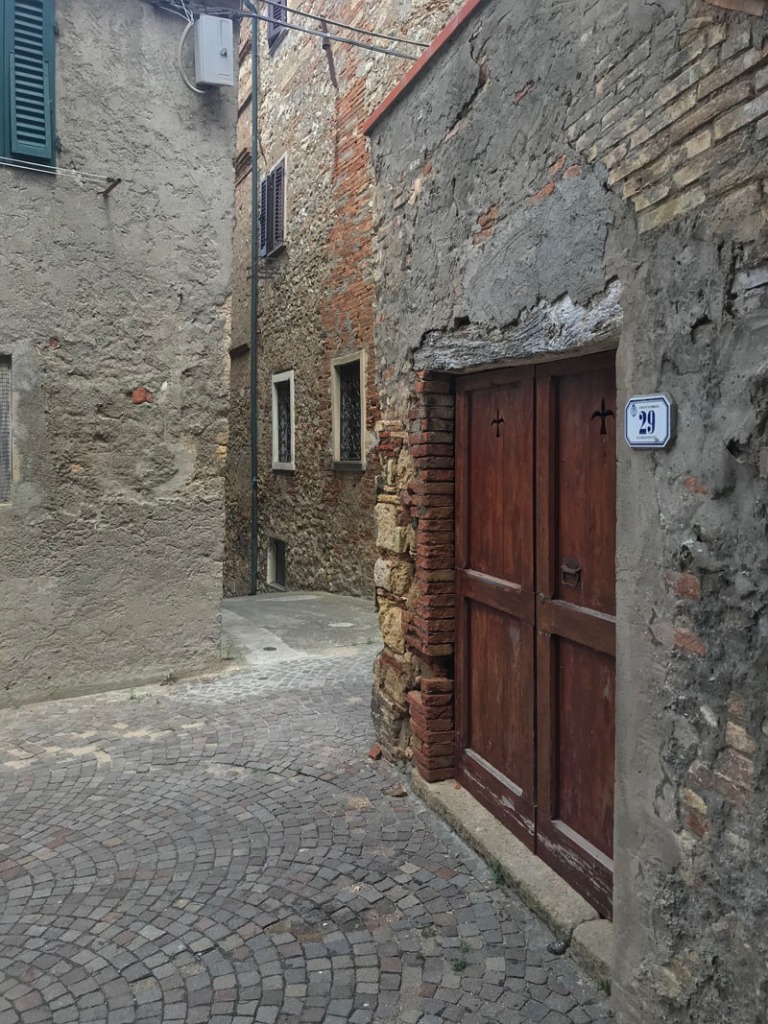
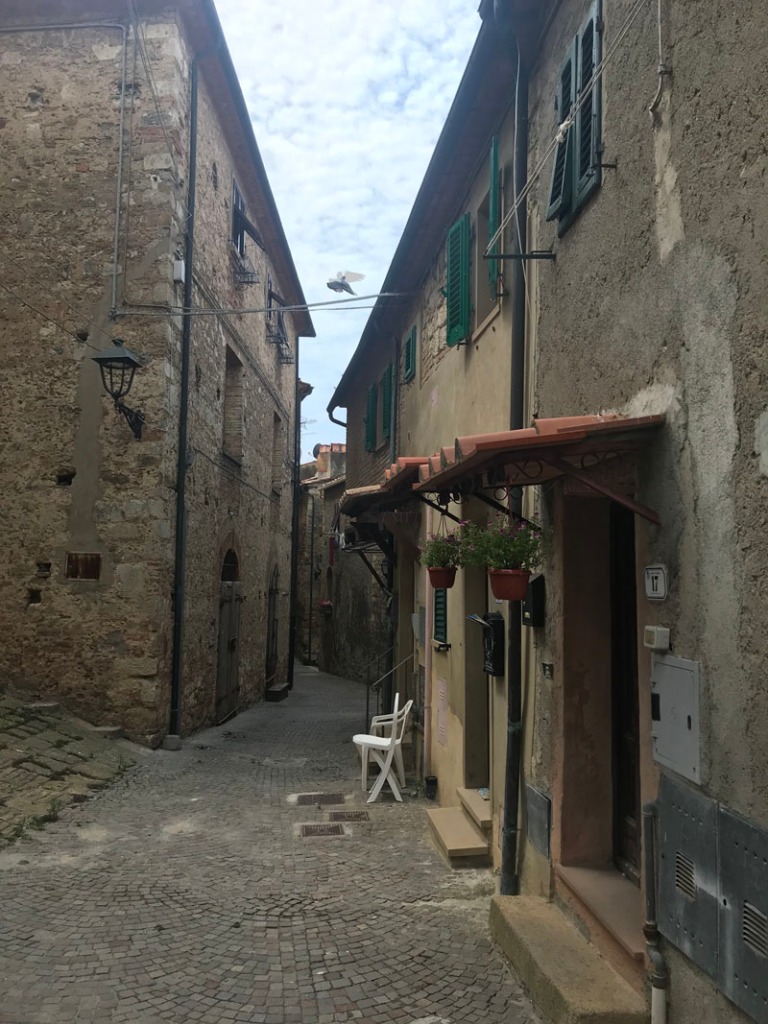
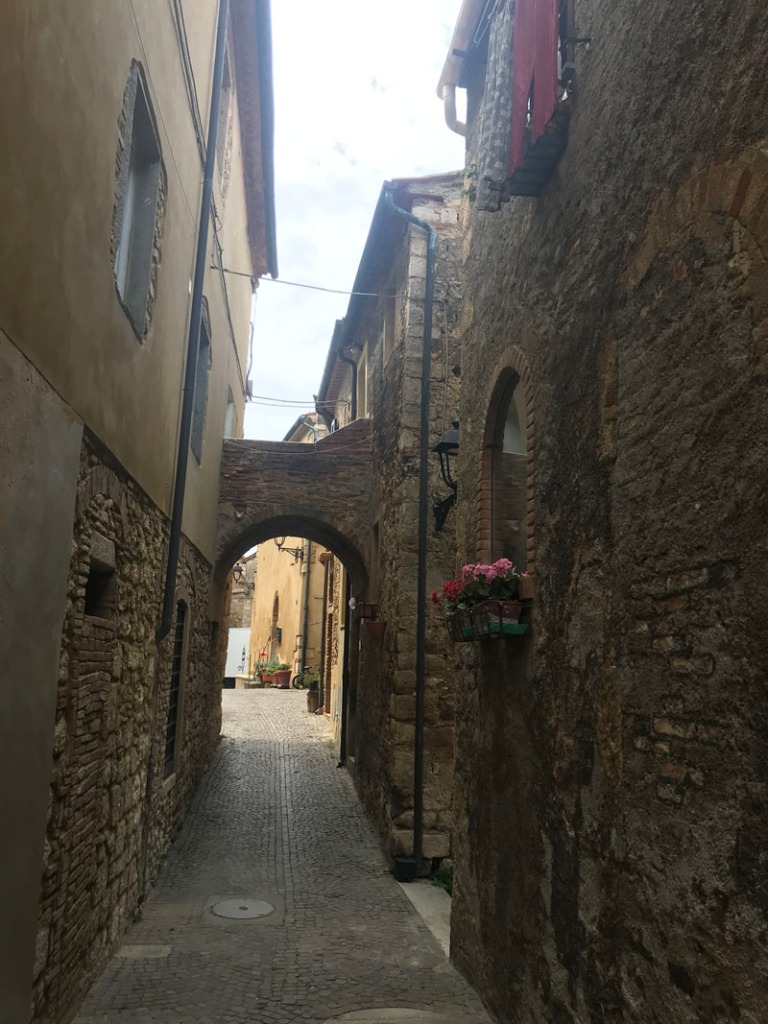
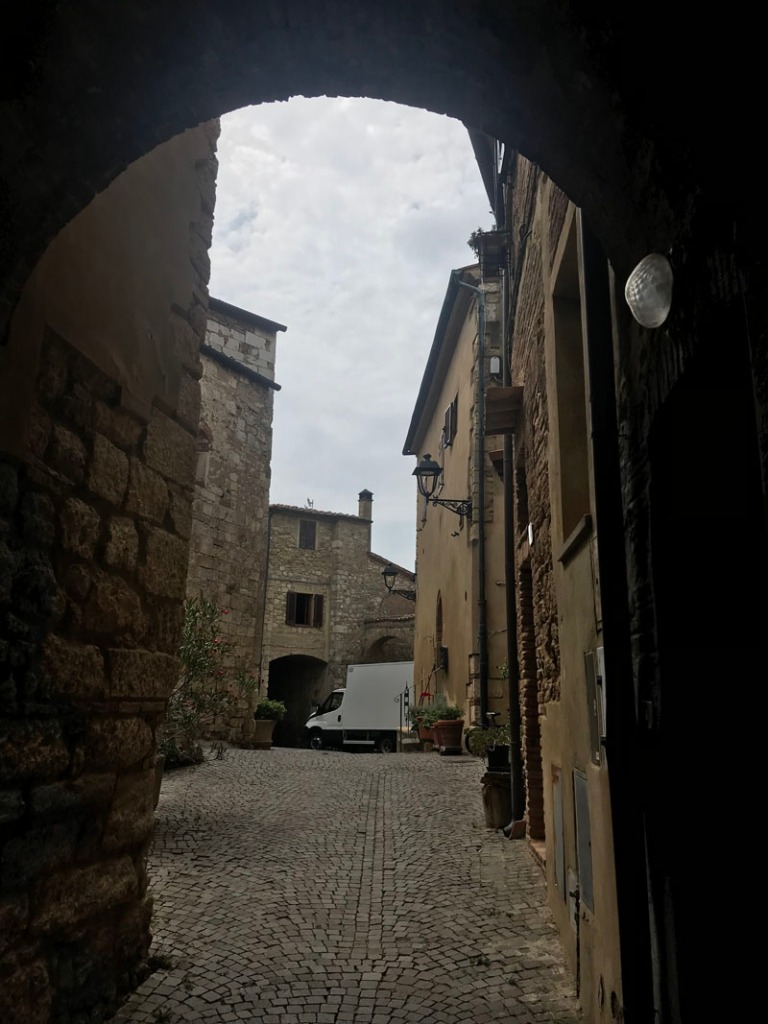


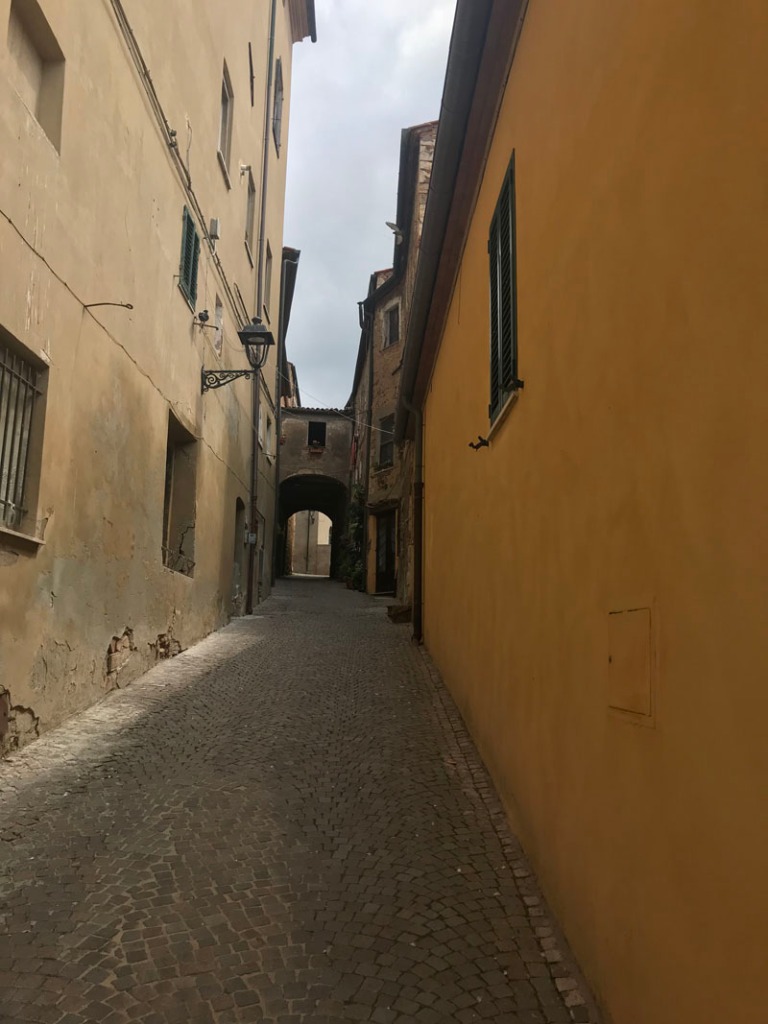
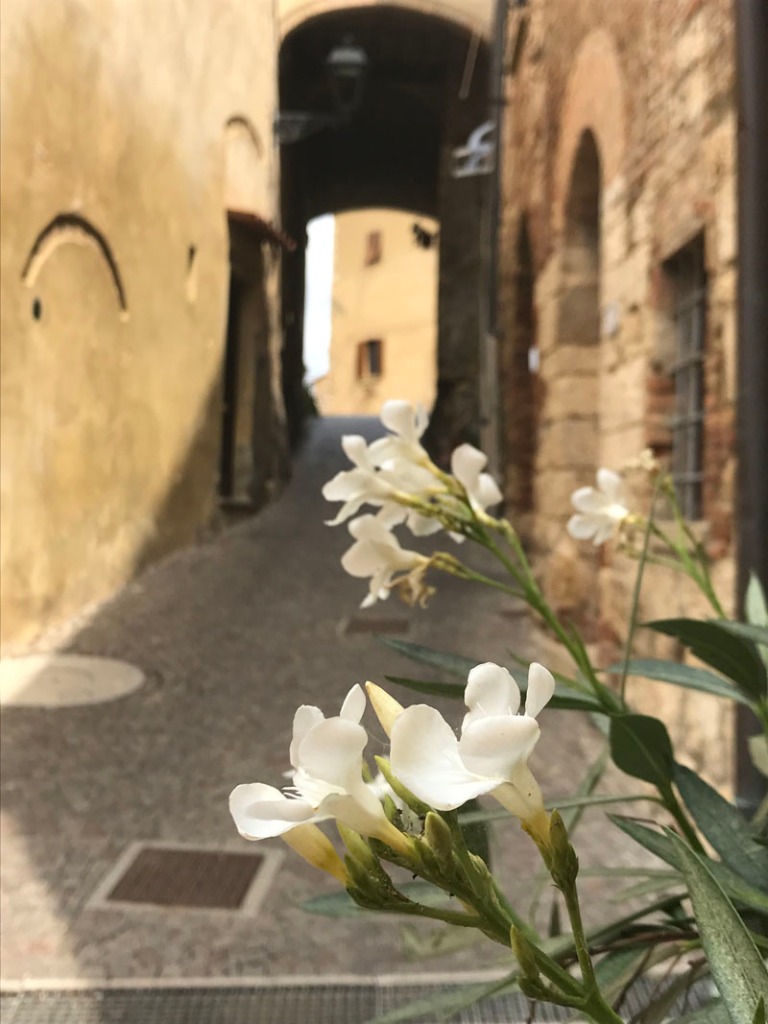
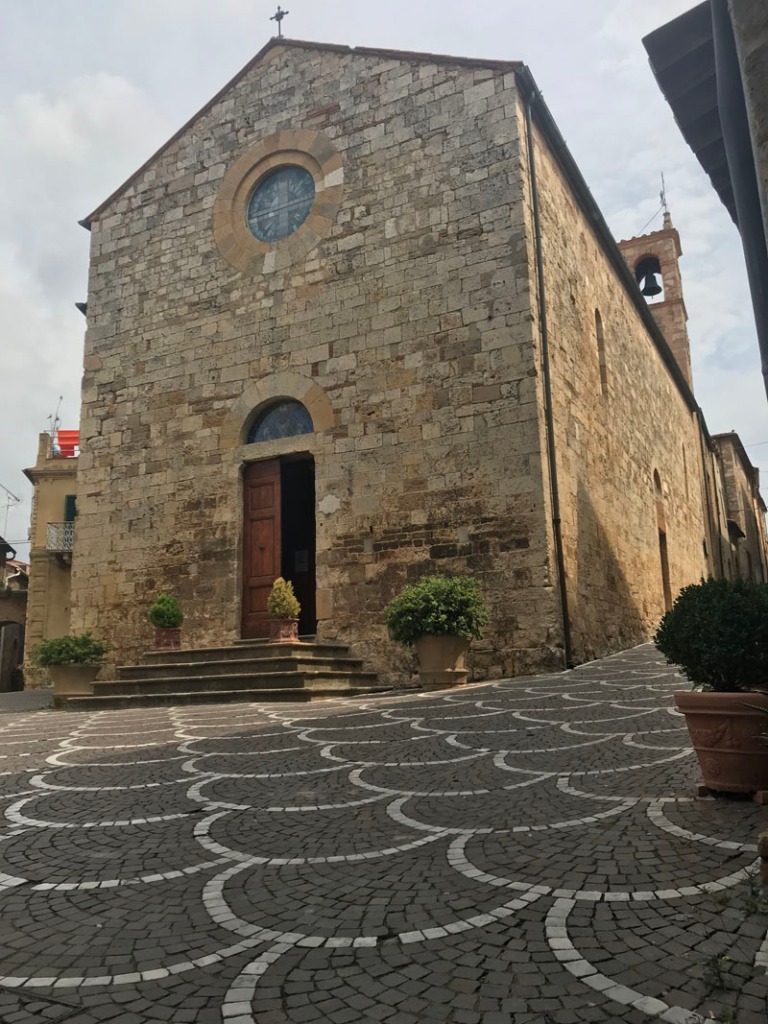




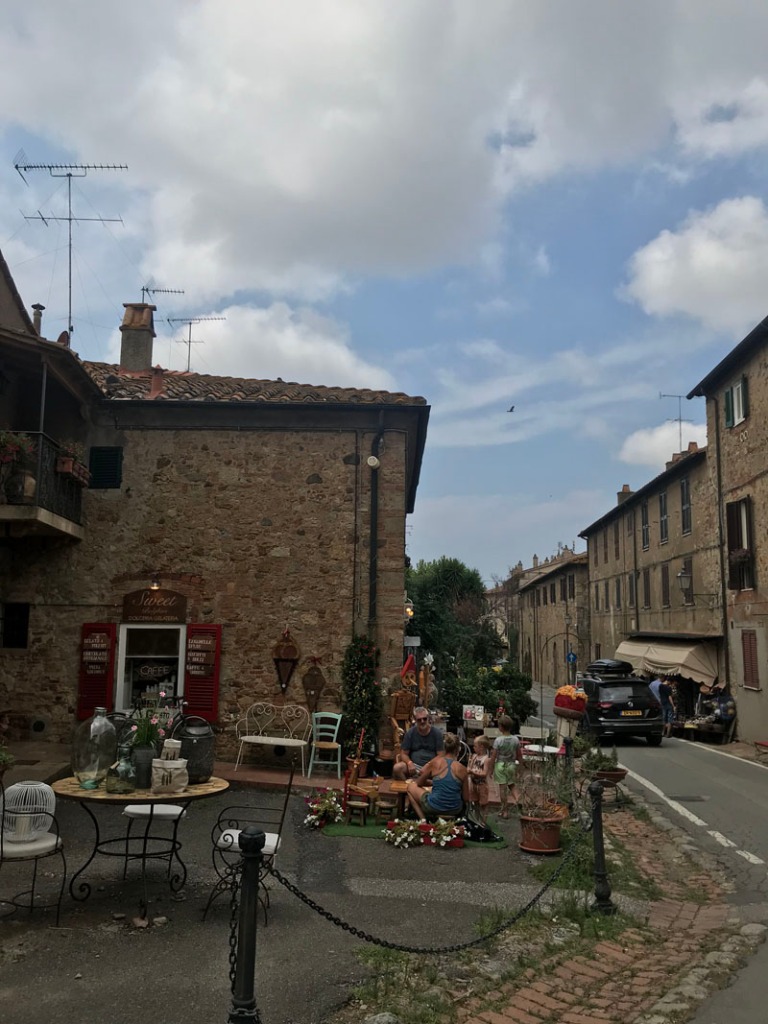
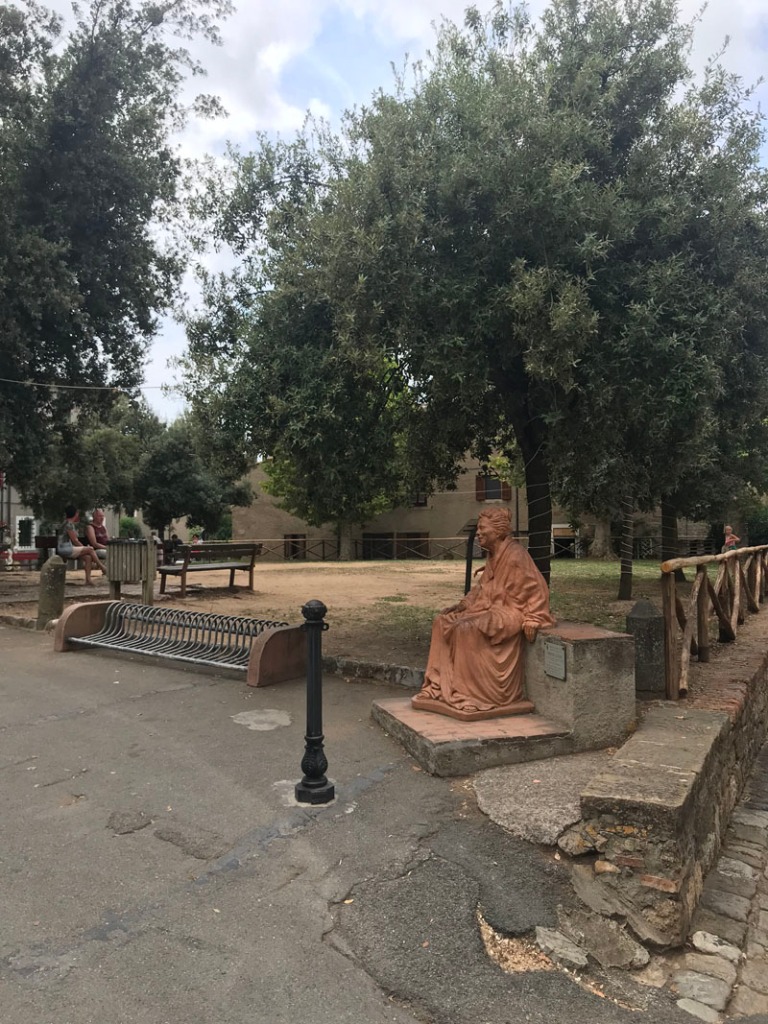
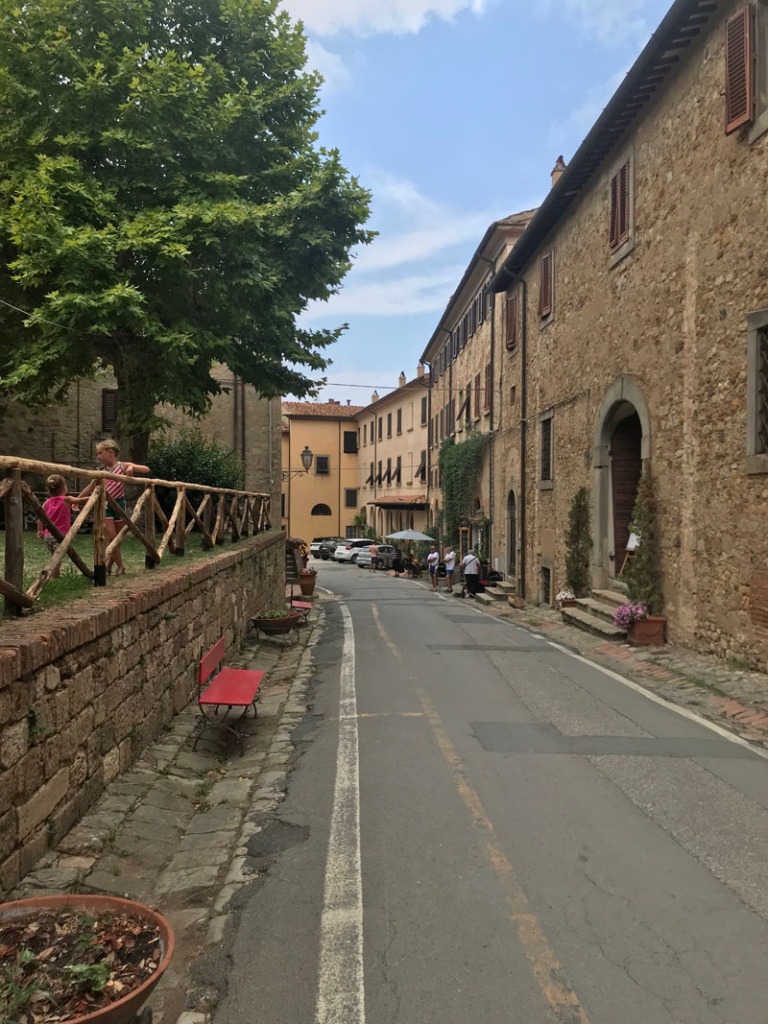
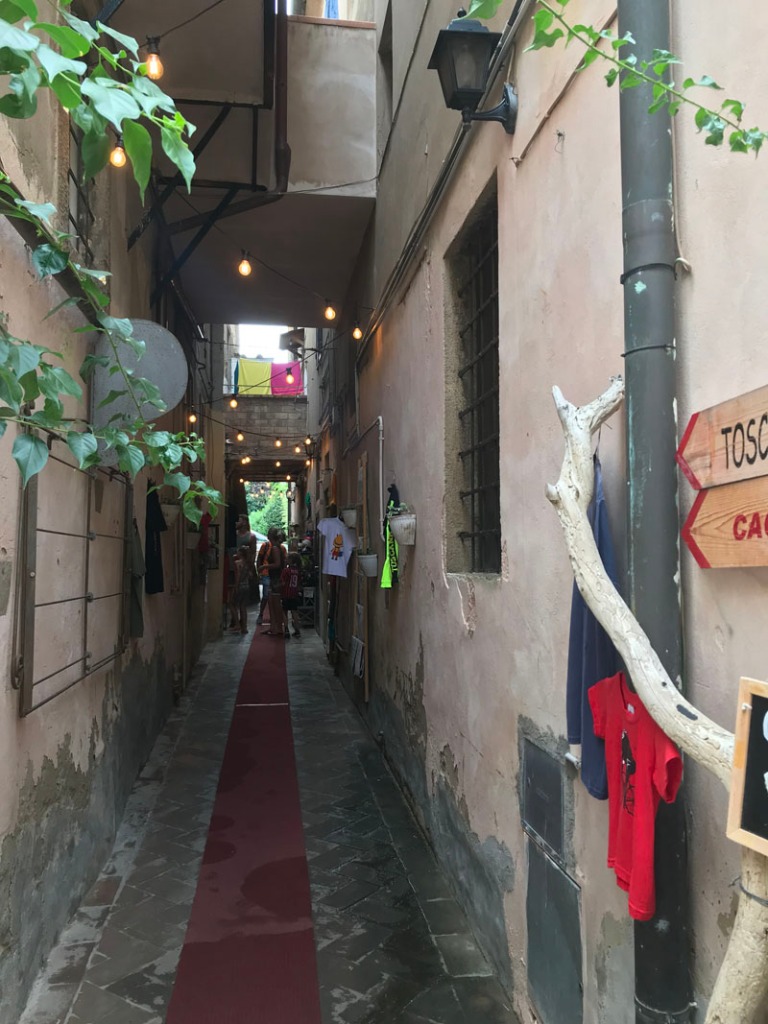
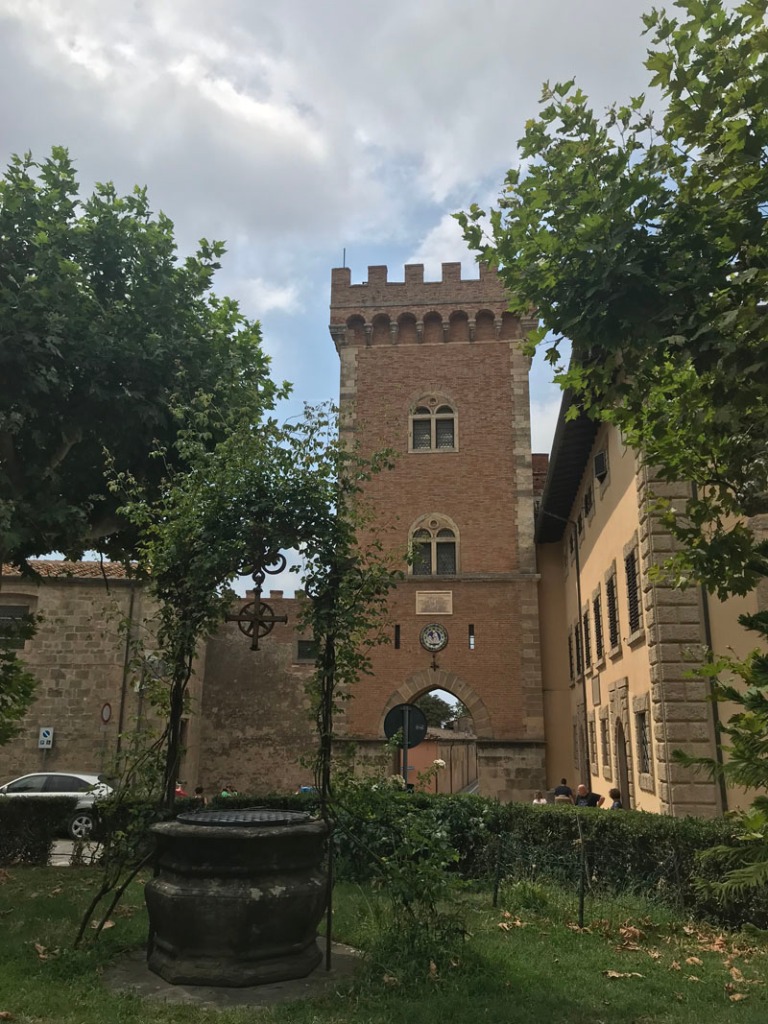

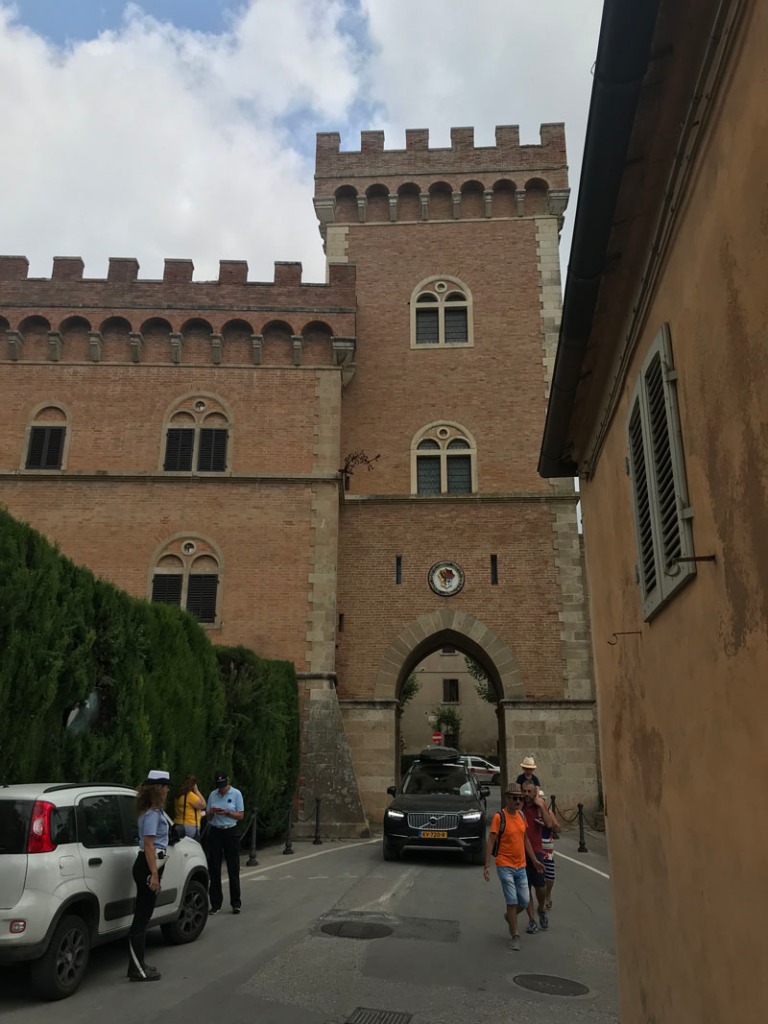
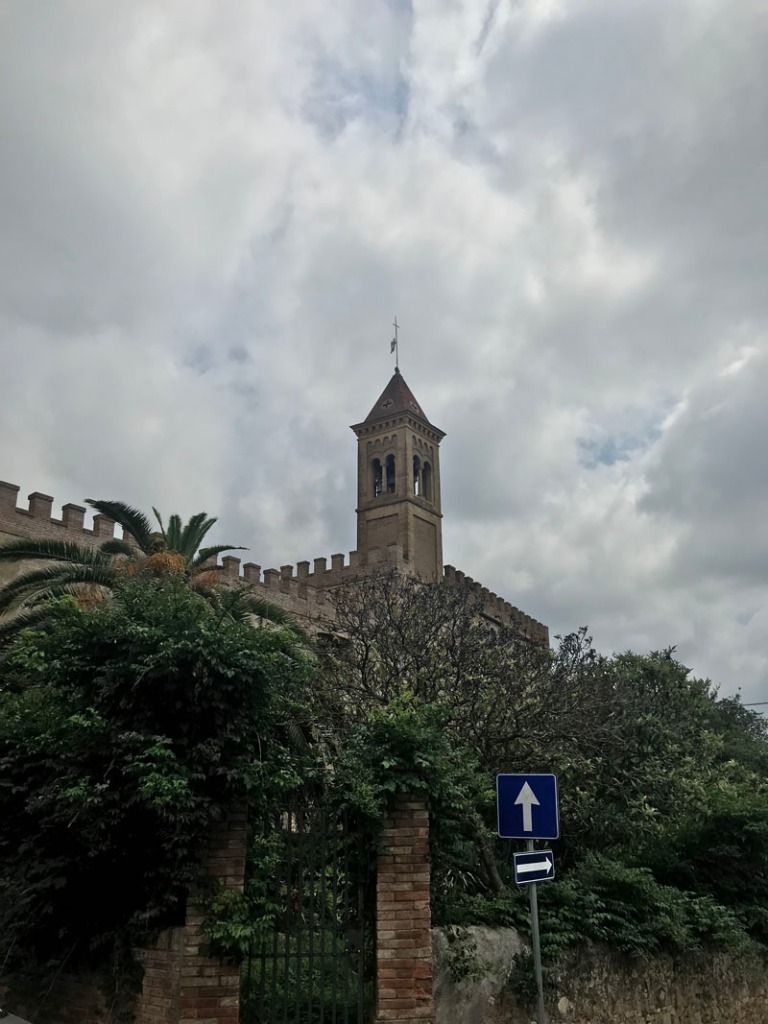
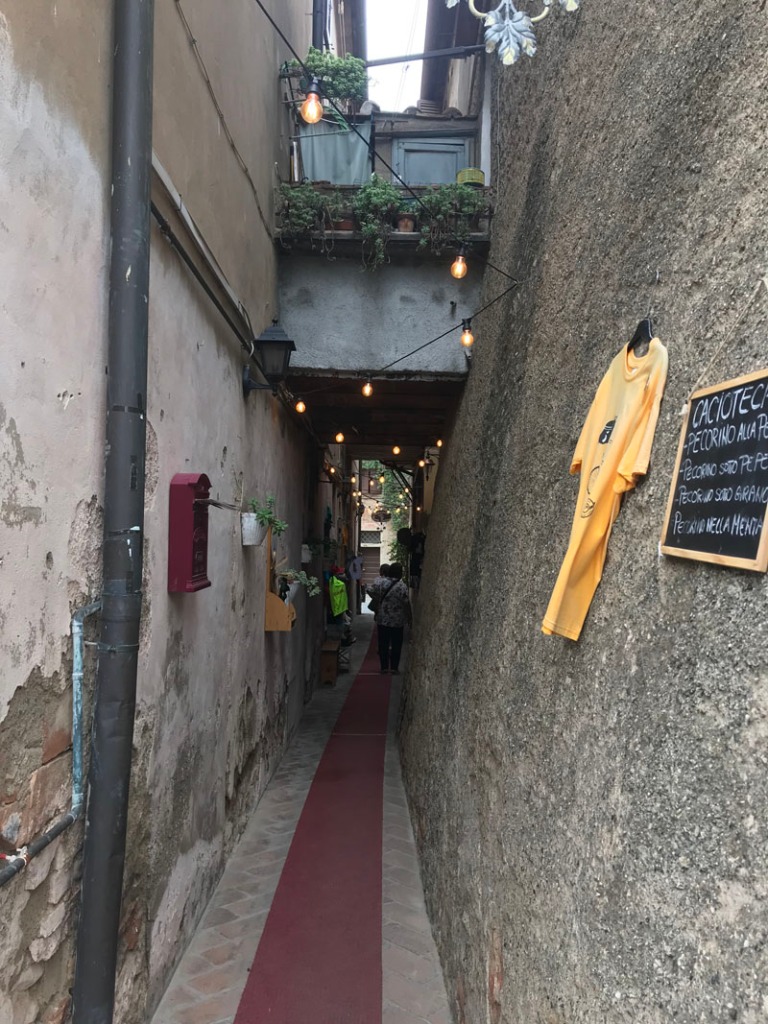


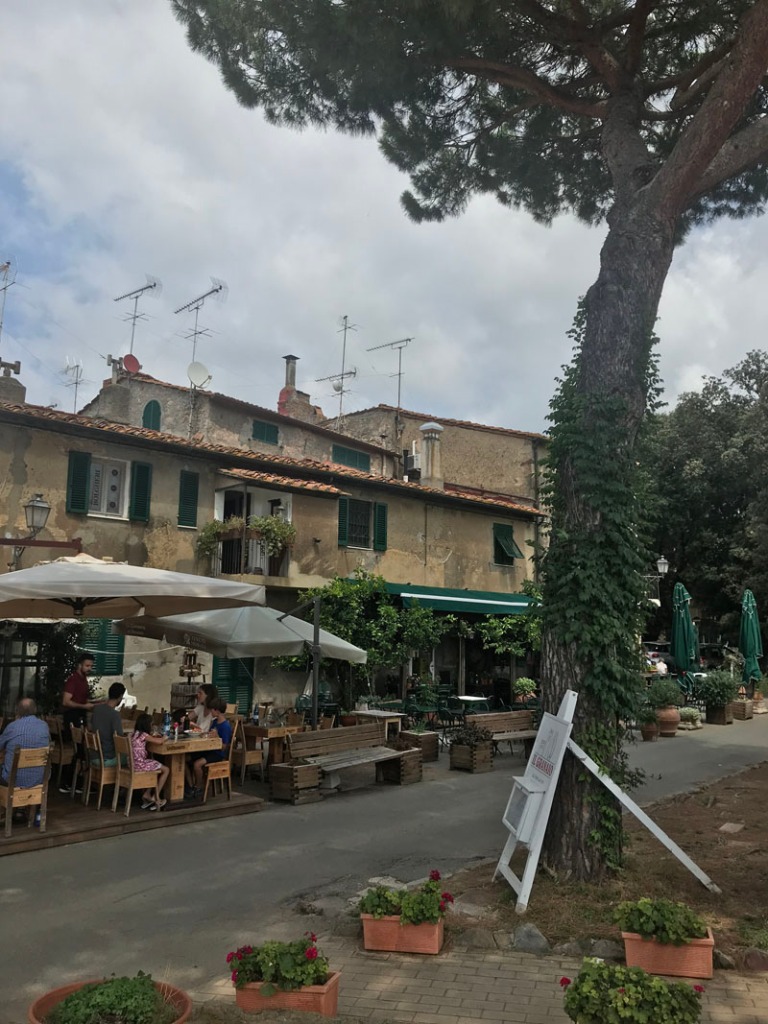

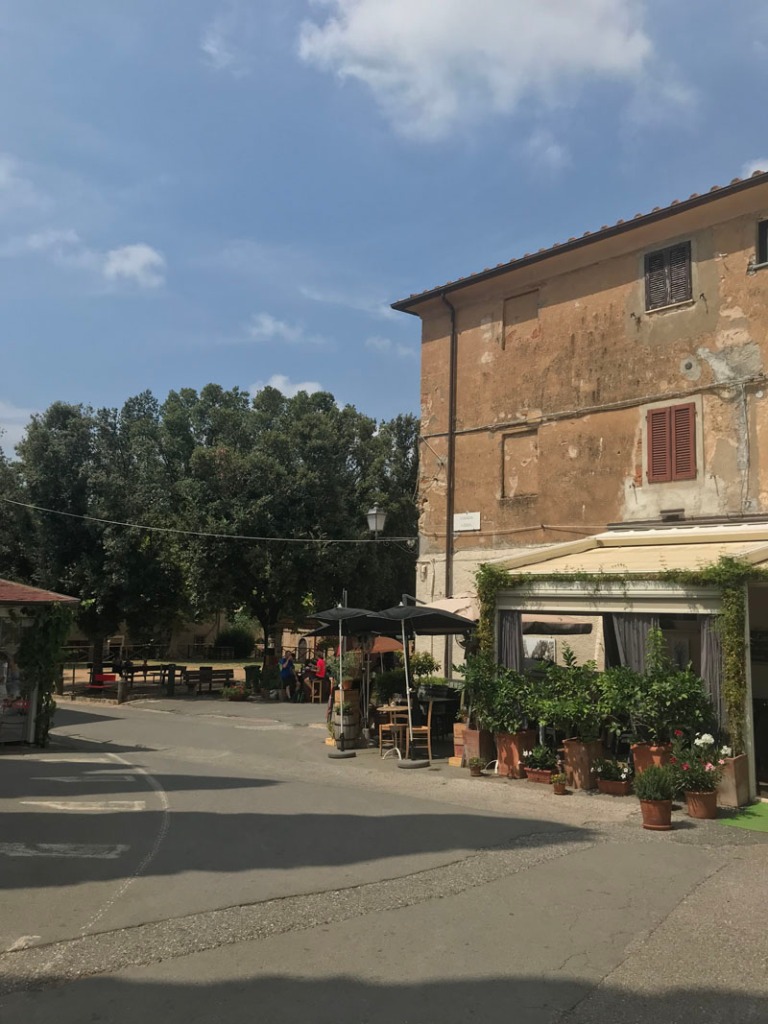
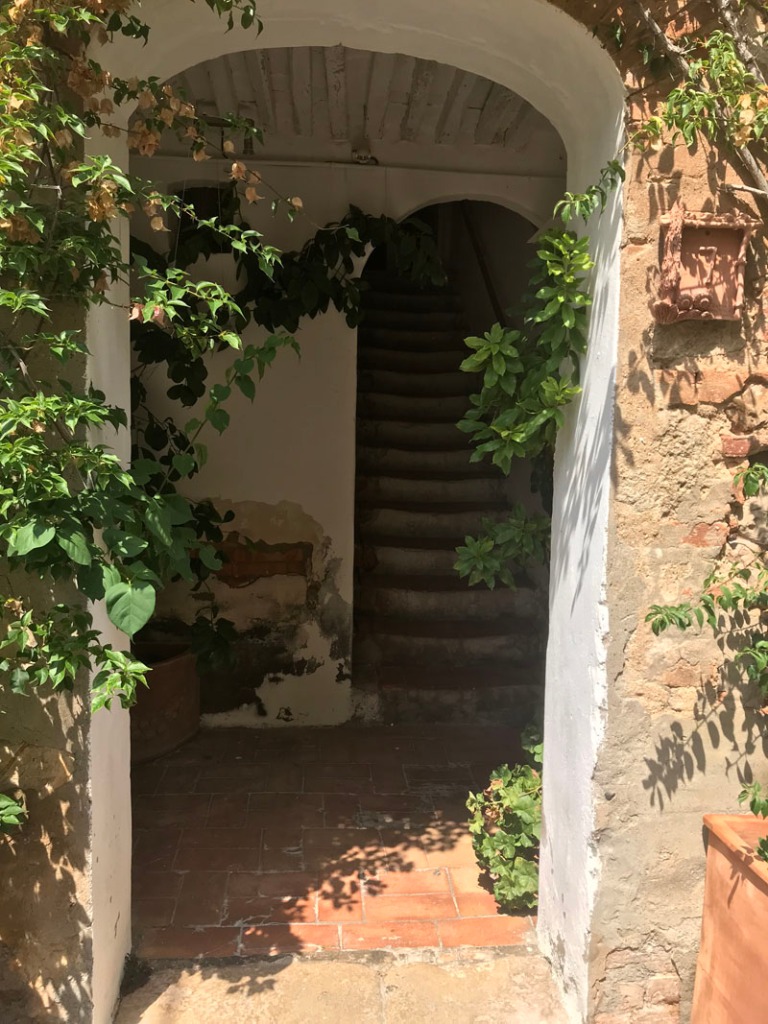
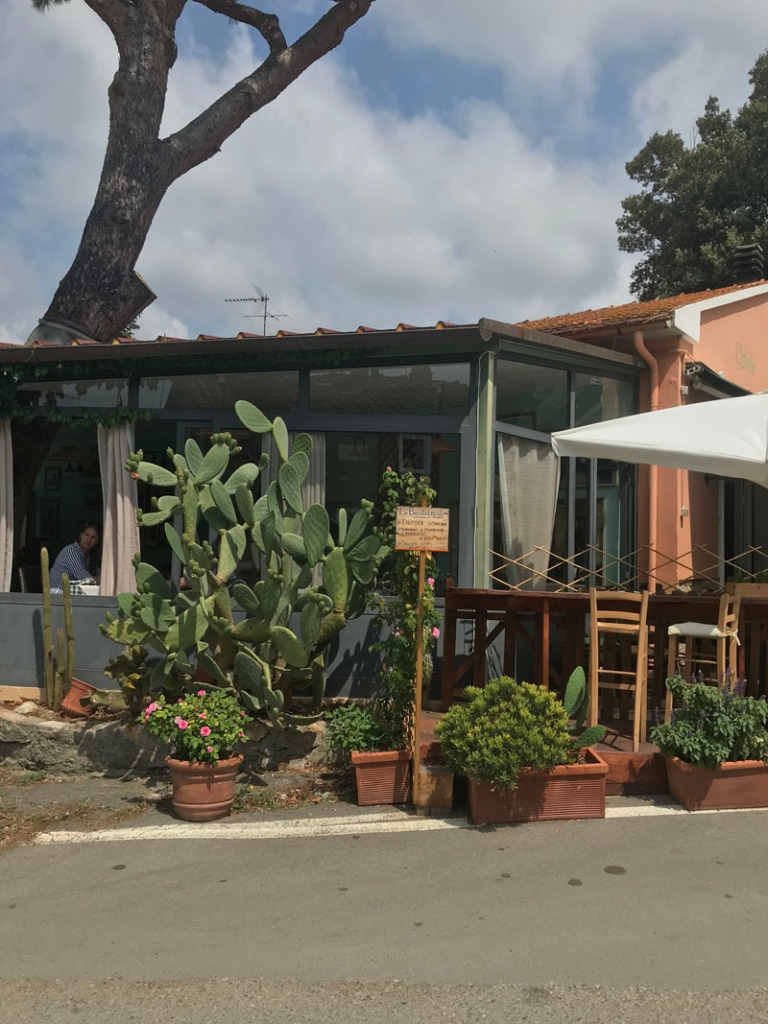
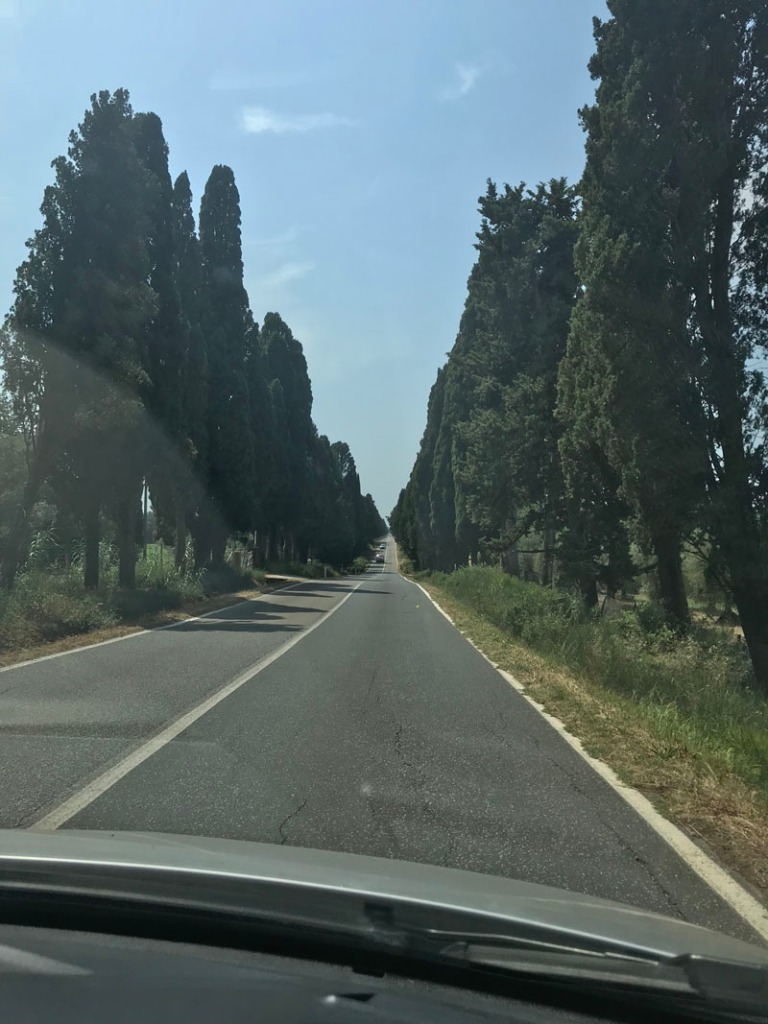
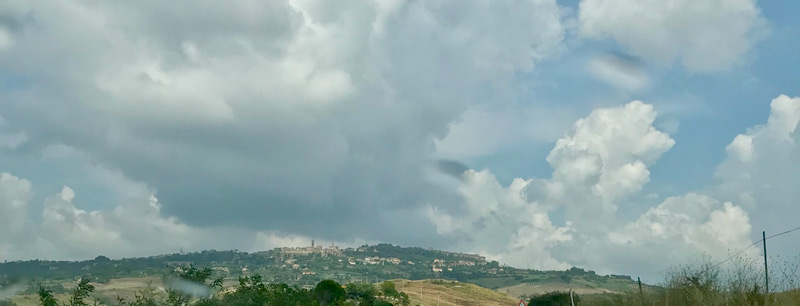
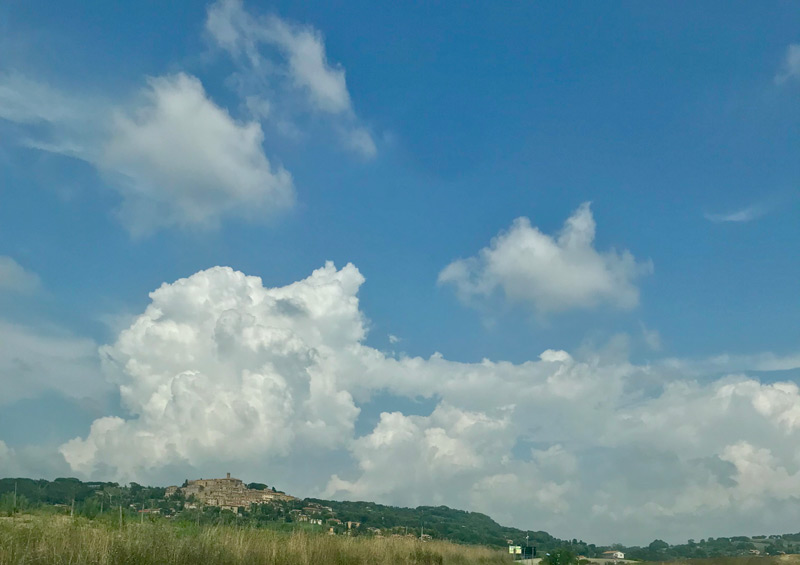
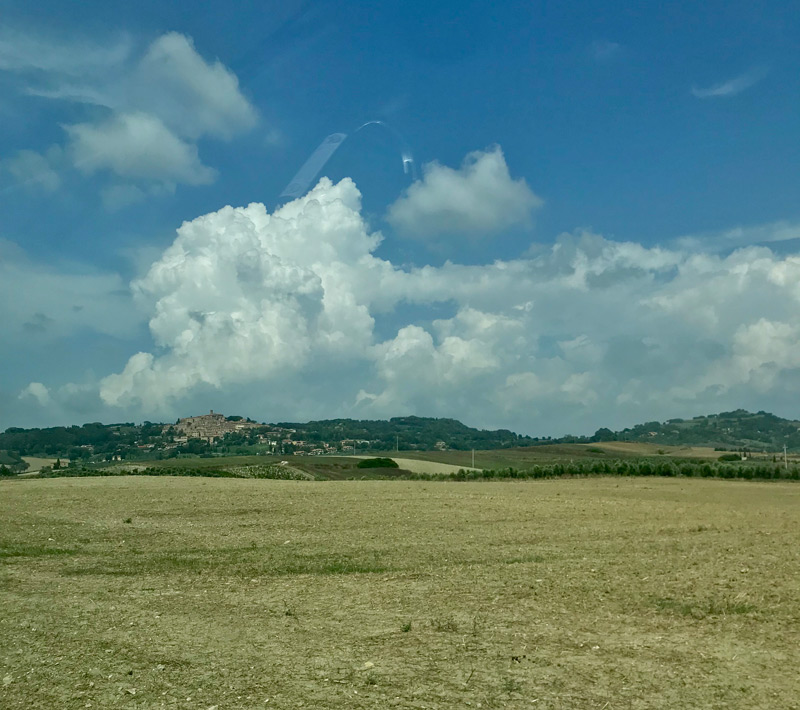

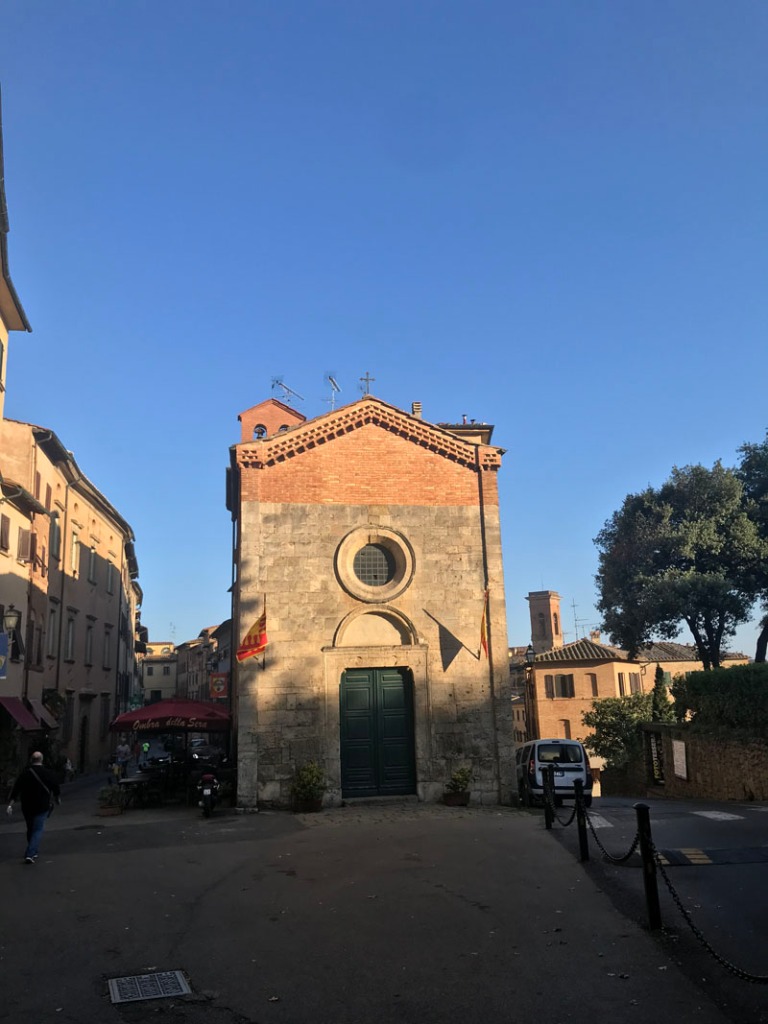
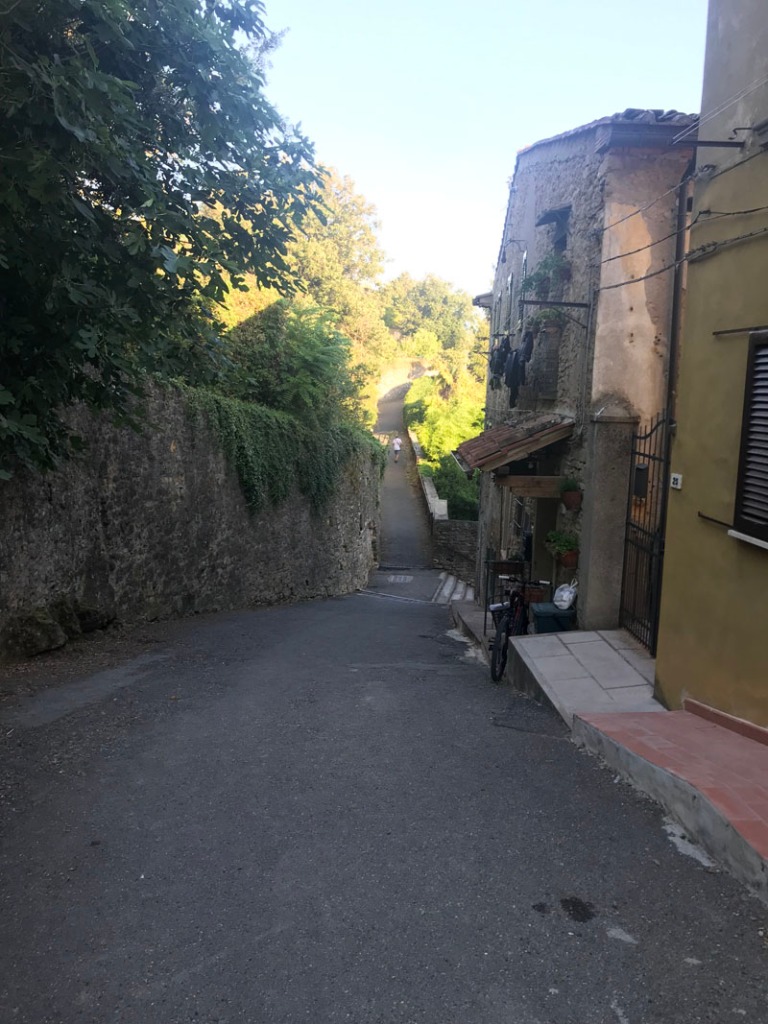
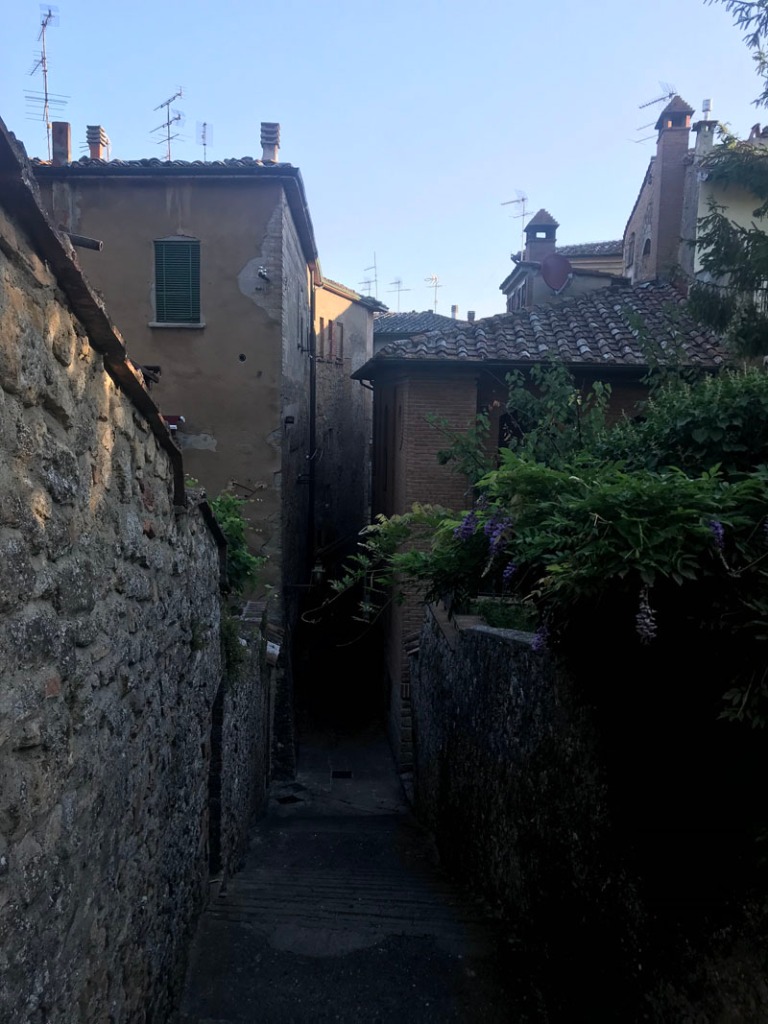


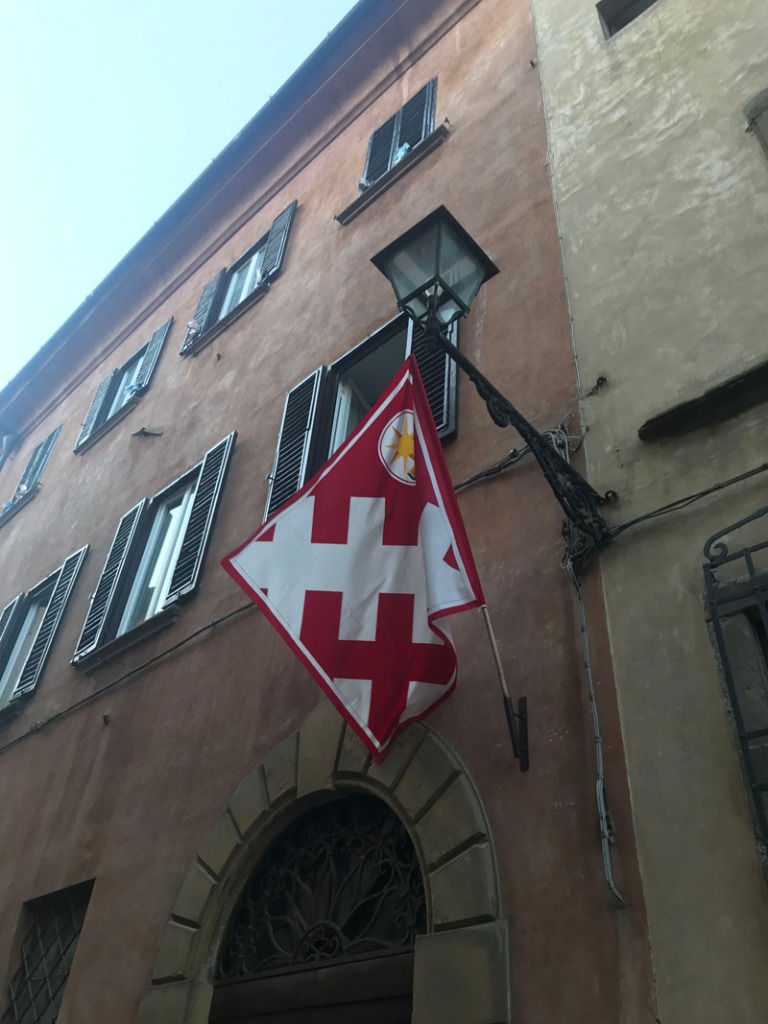





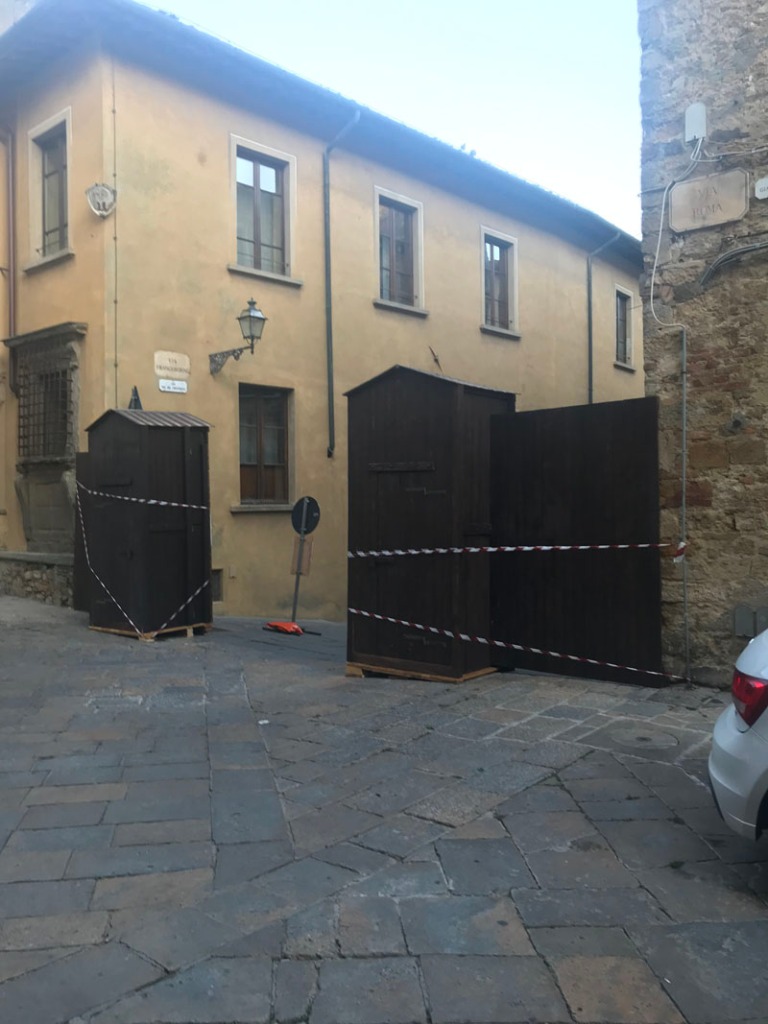
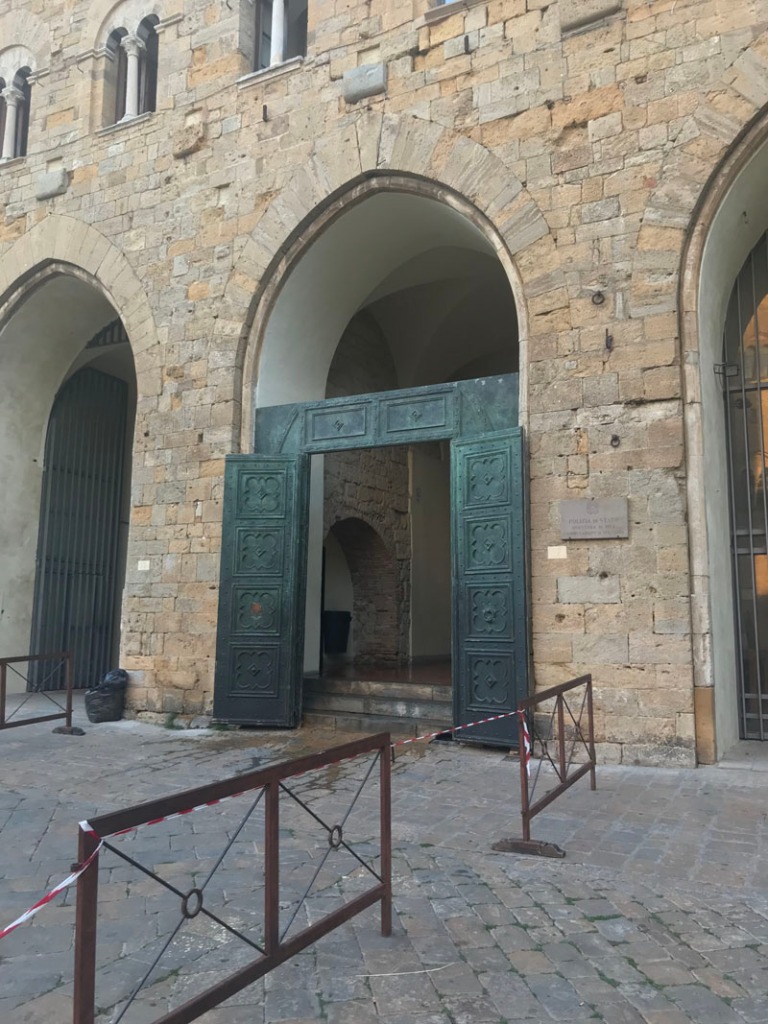
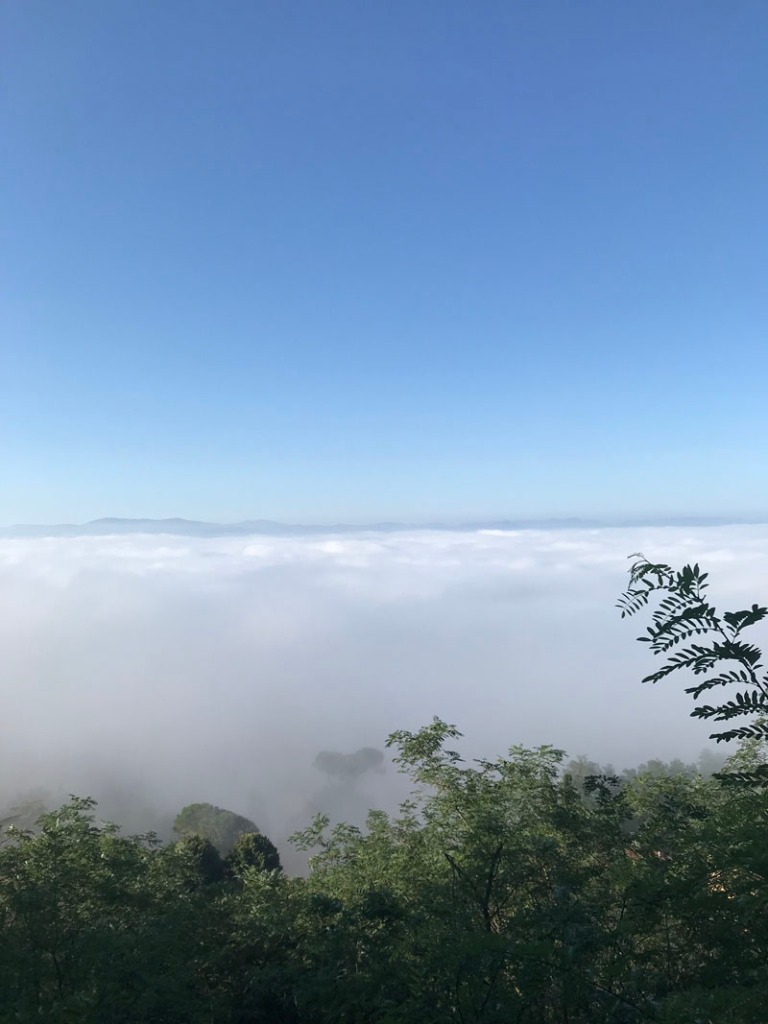






 On the way home, we stopped off for a little bit of gelato in one of the newer gelateria off Piazza Martiri della Libertà – not bad at all – and sat in the main square to people-watch.


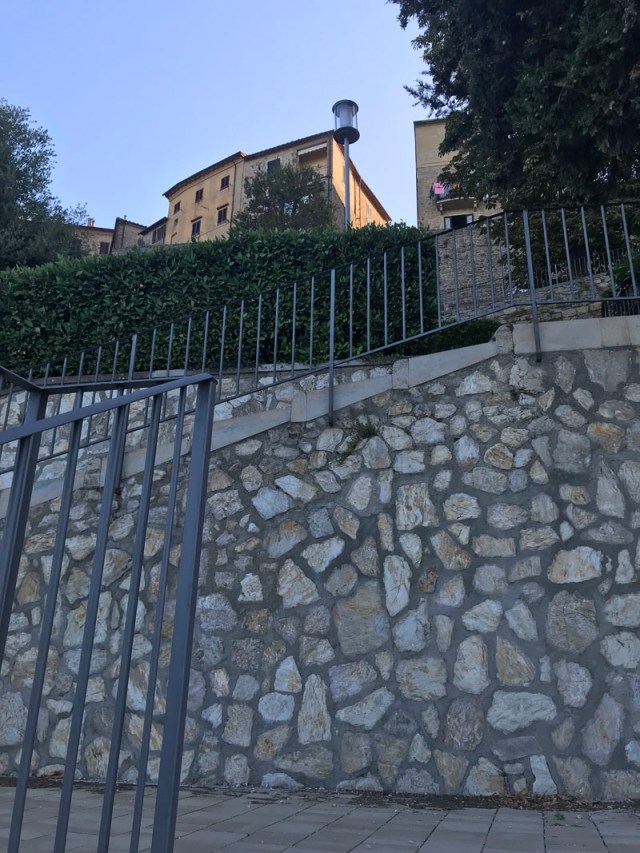


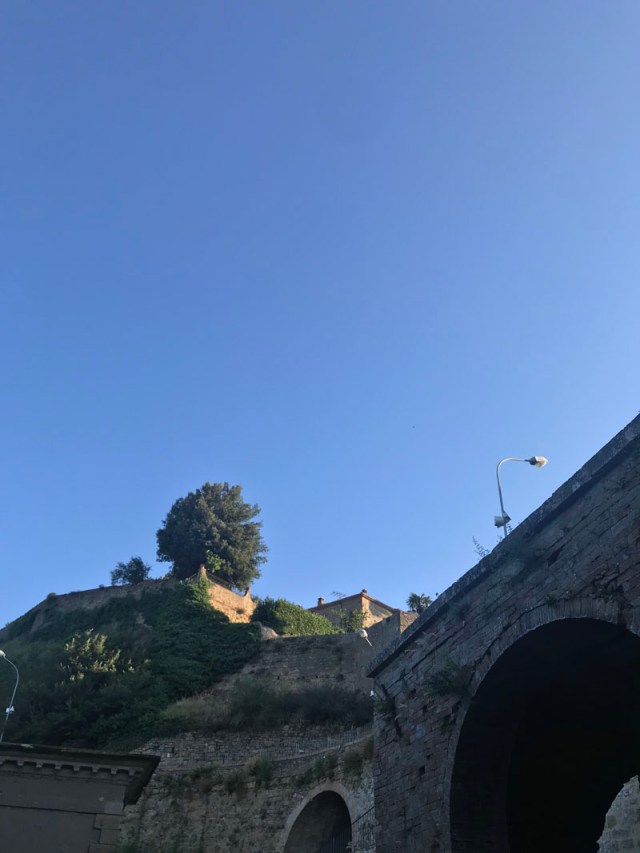

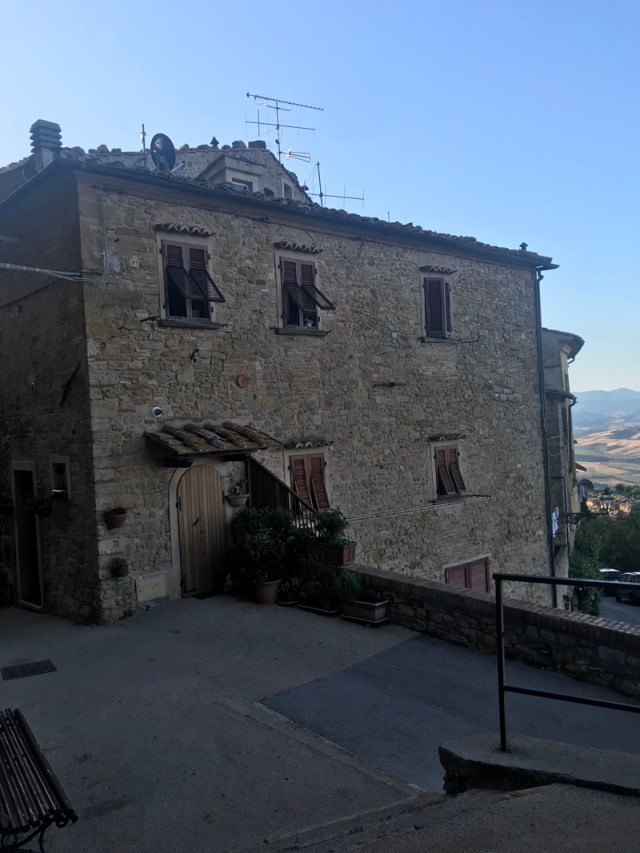
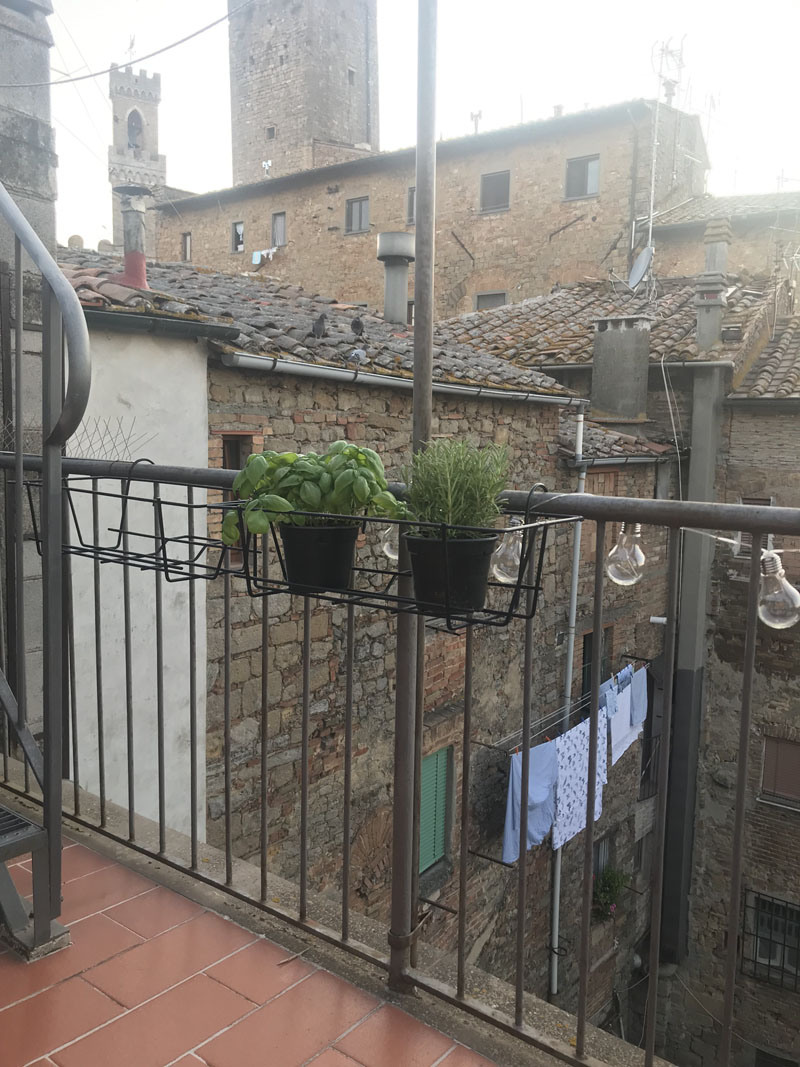
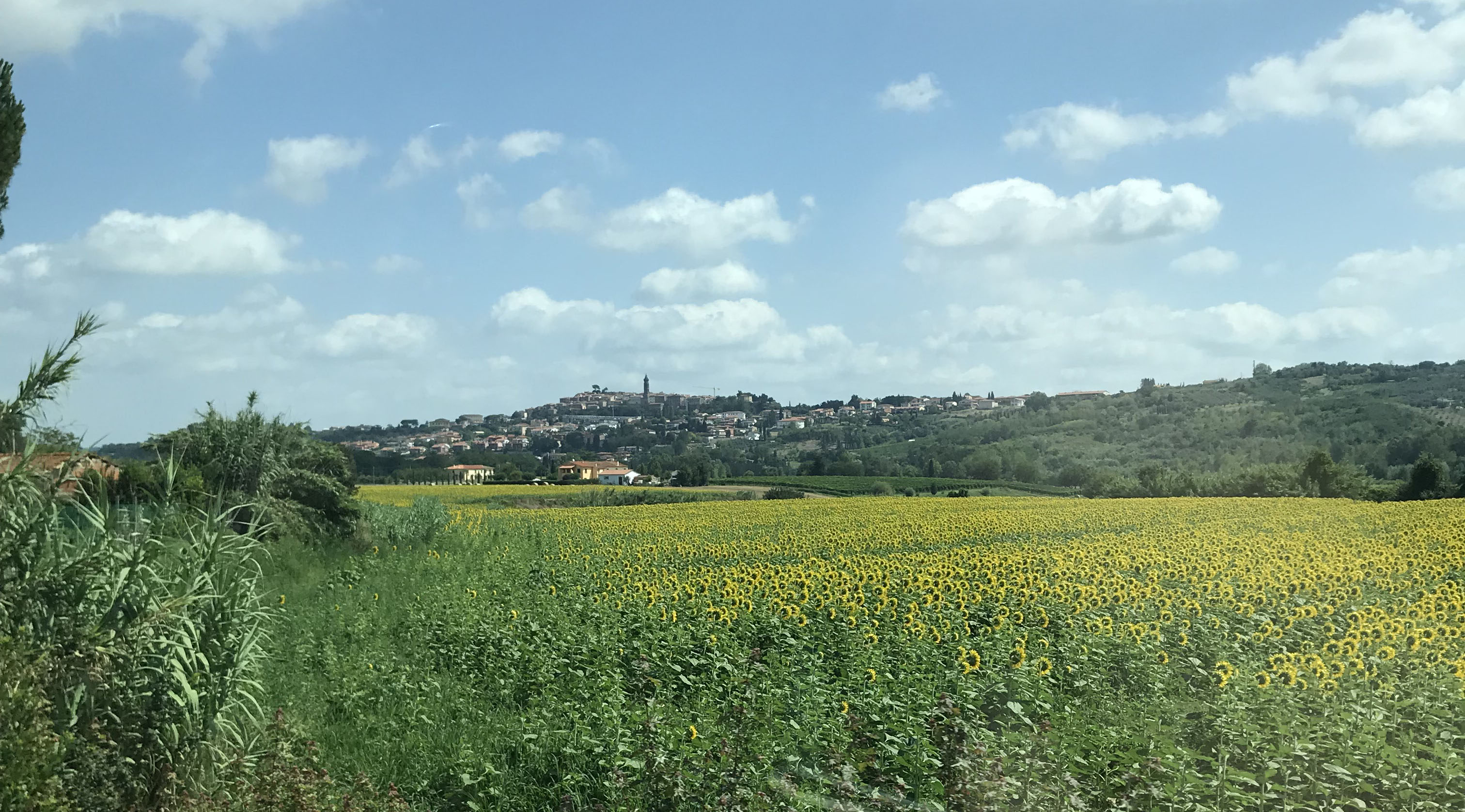
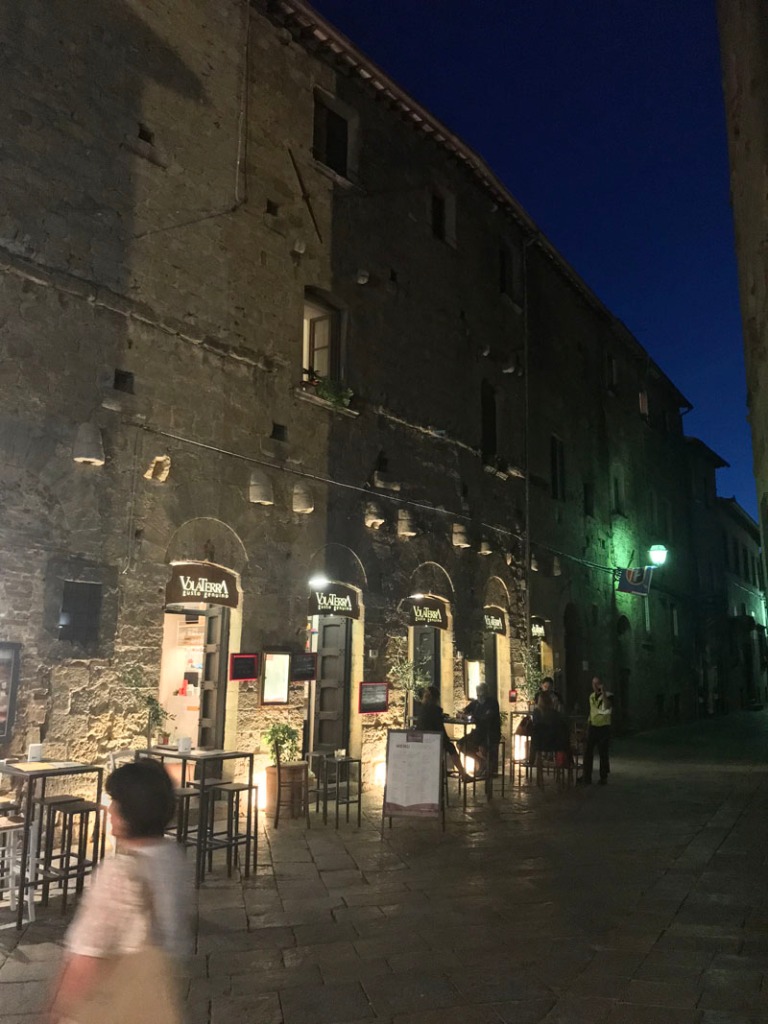
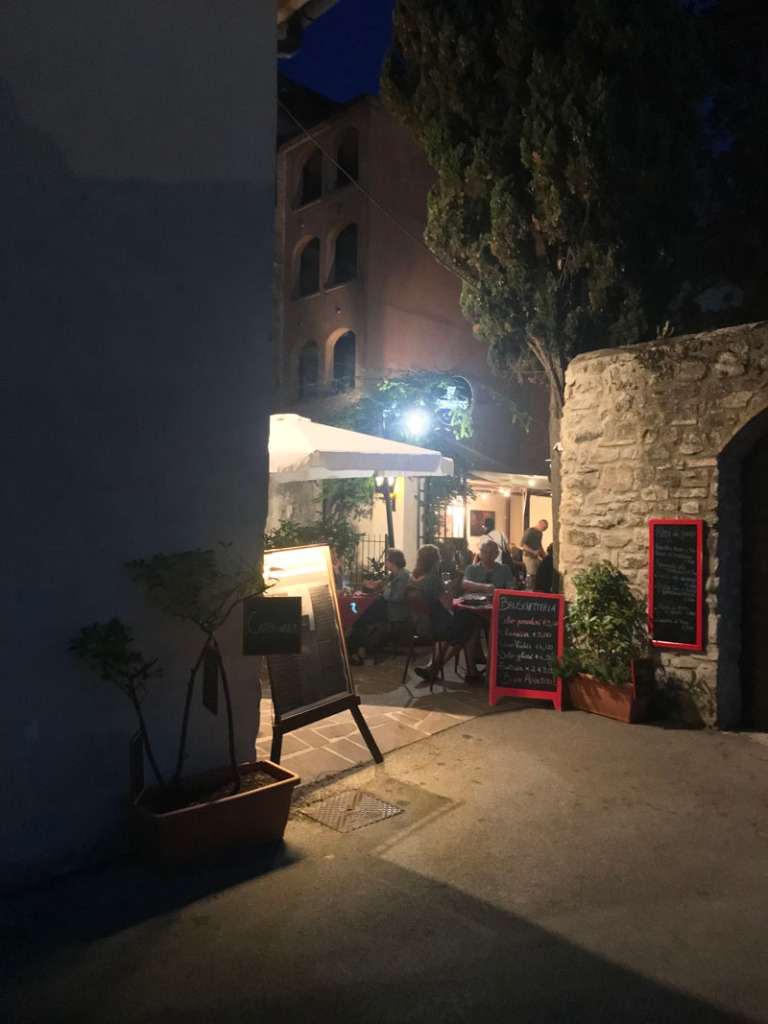
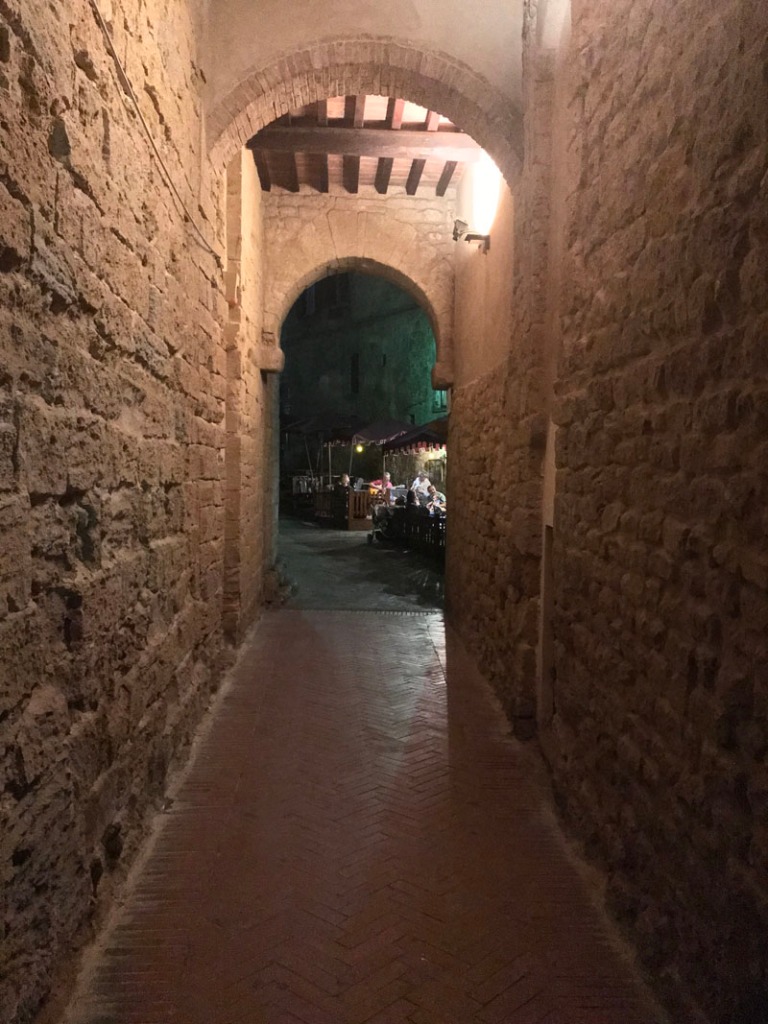
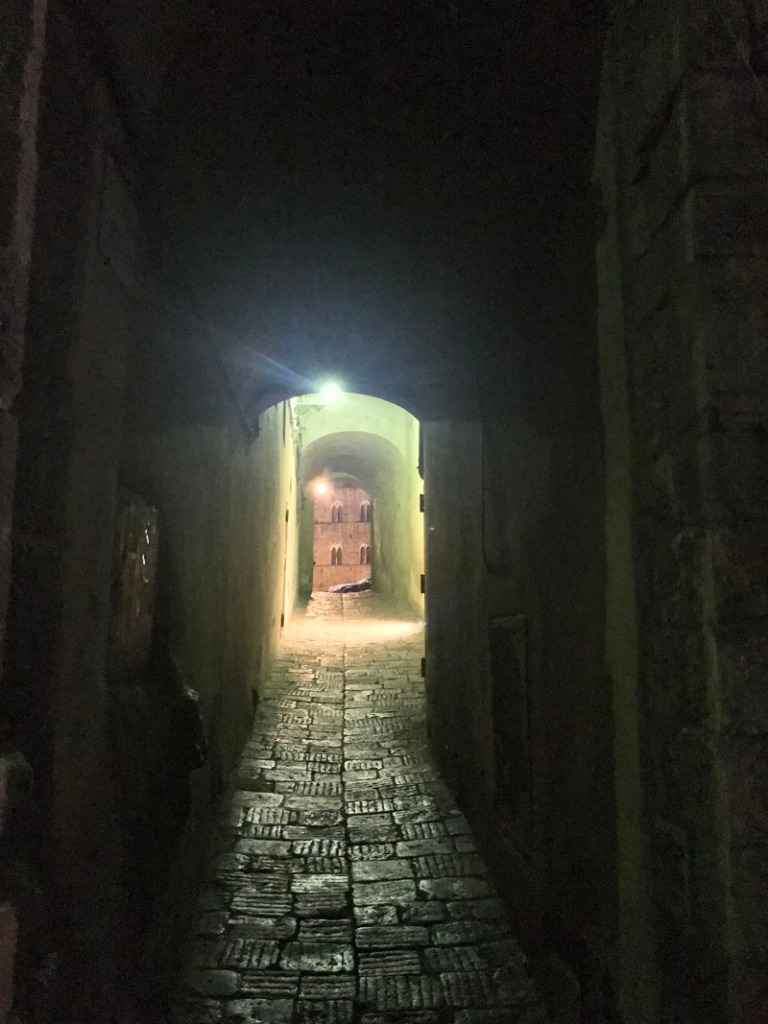
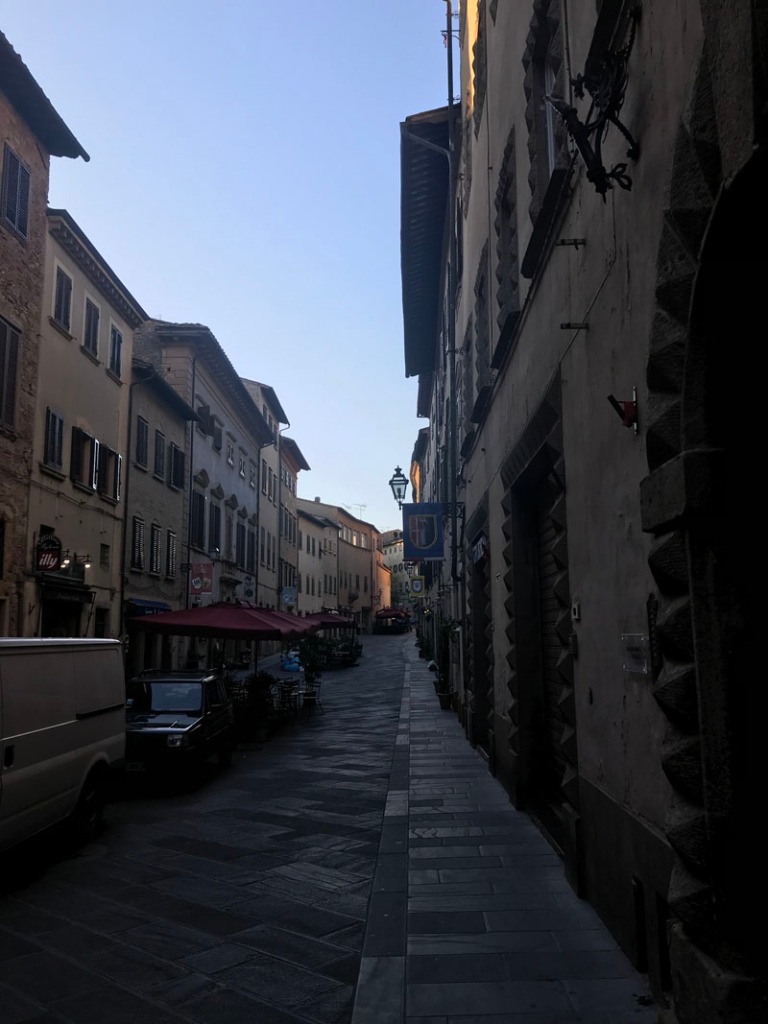
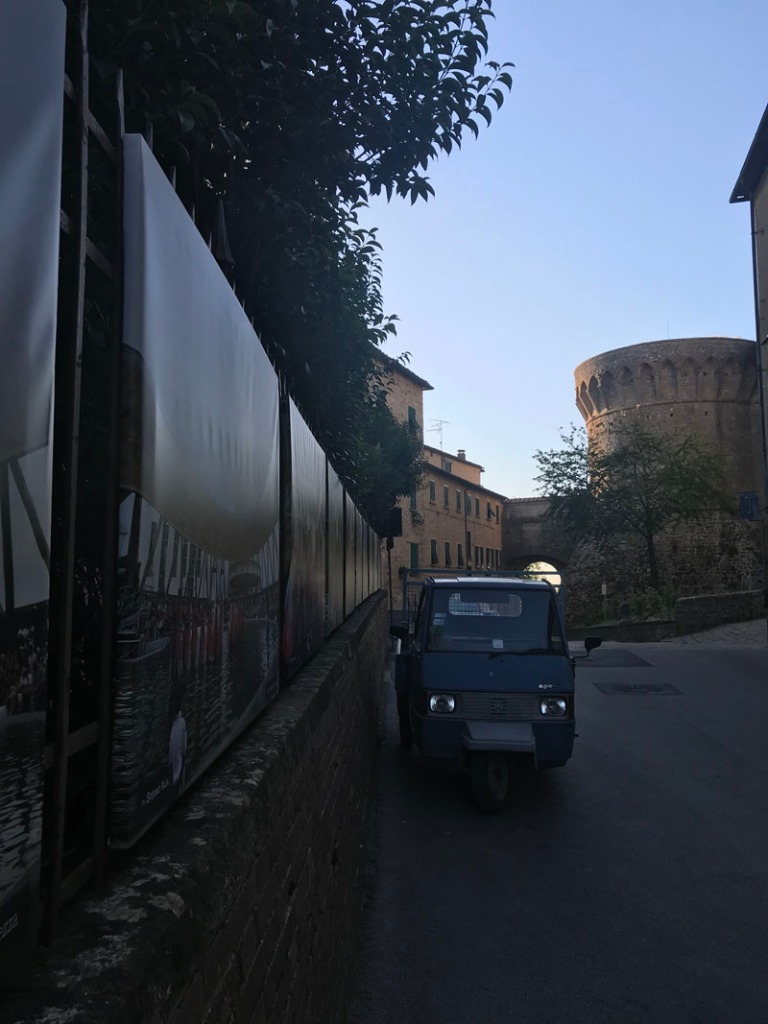
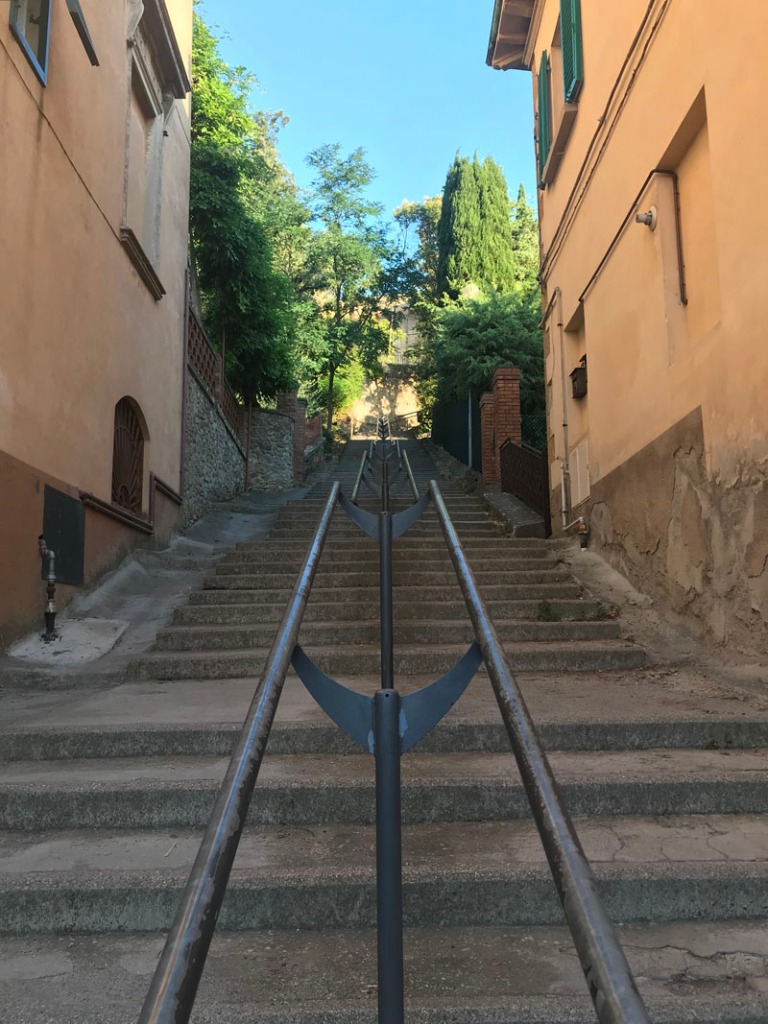
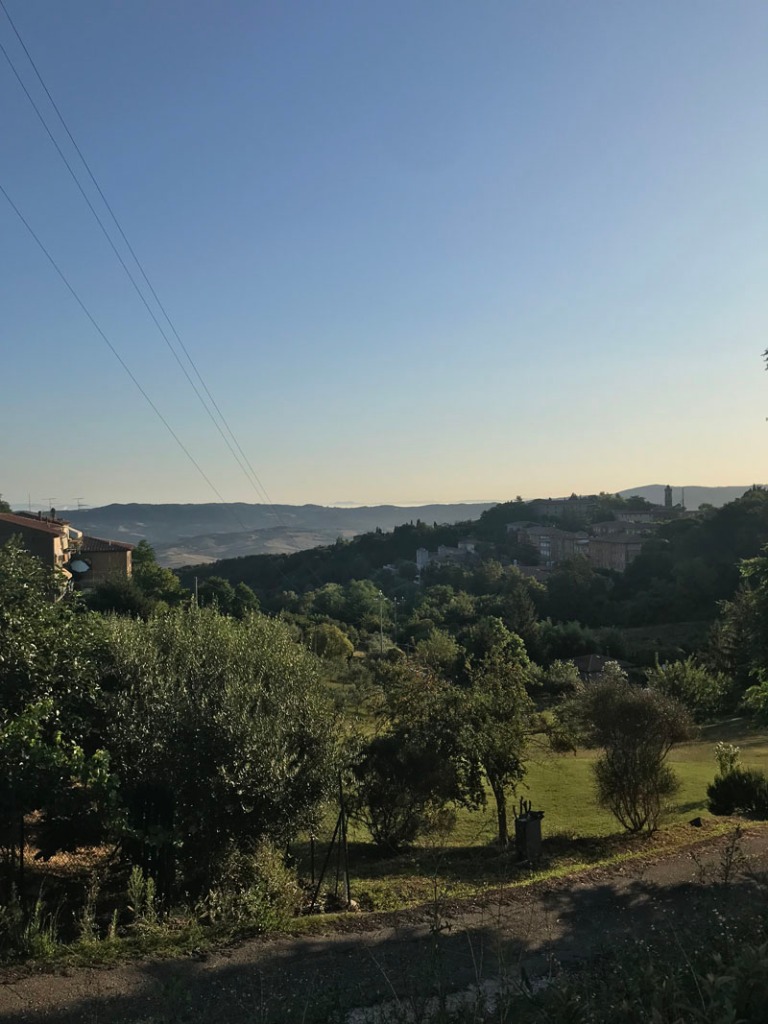
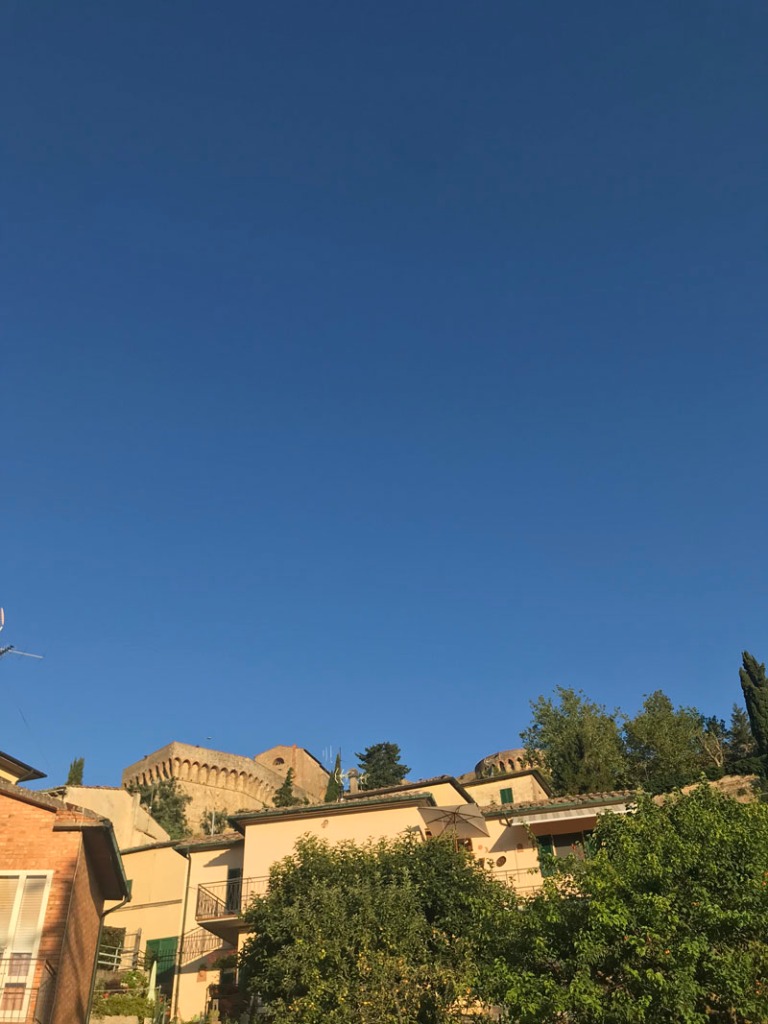
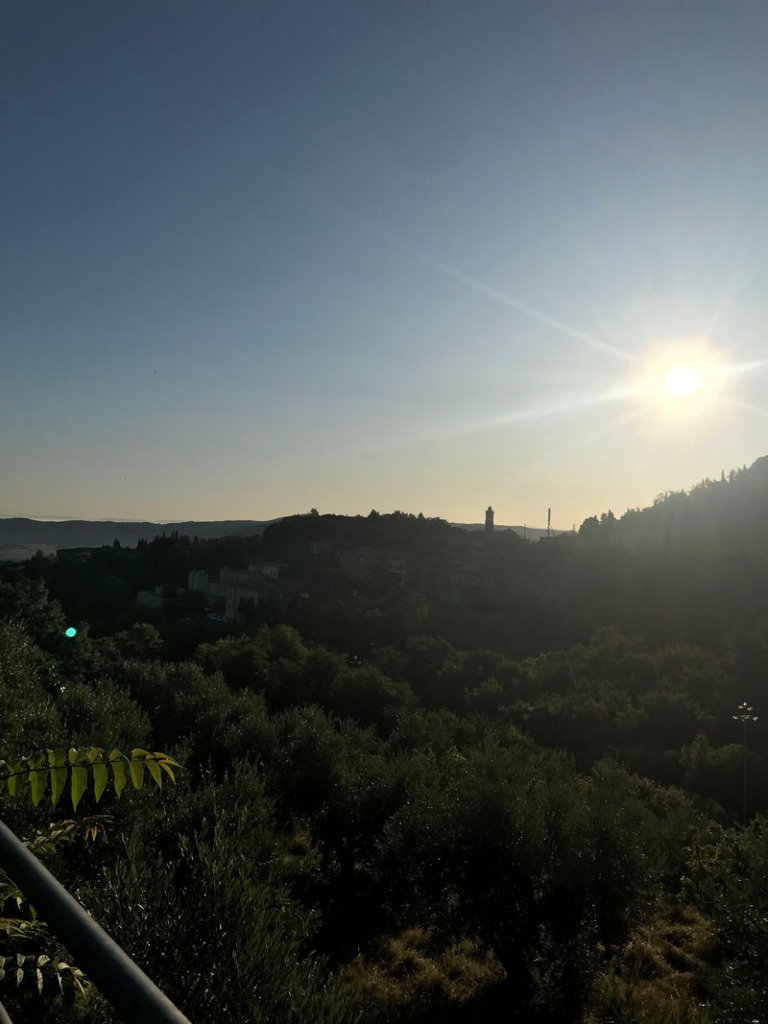
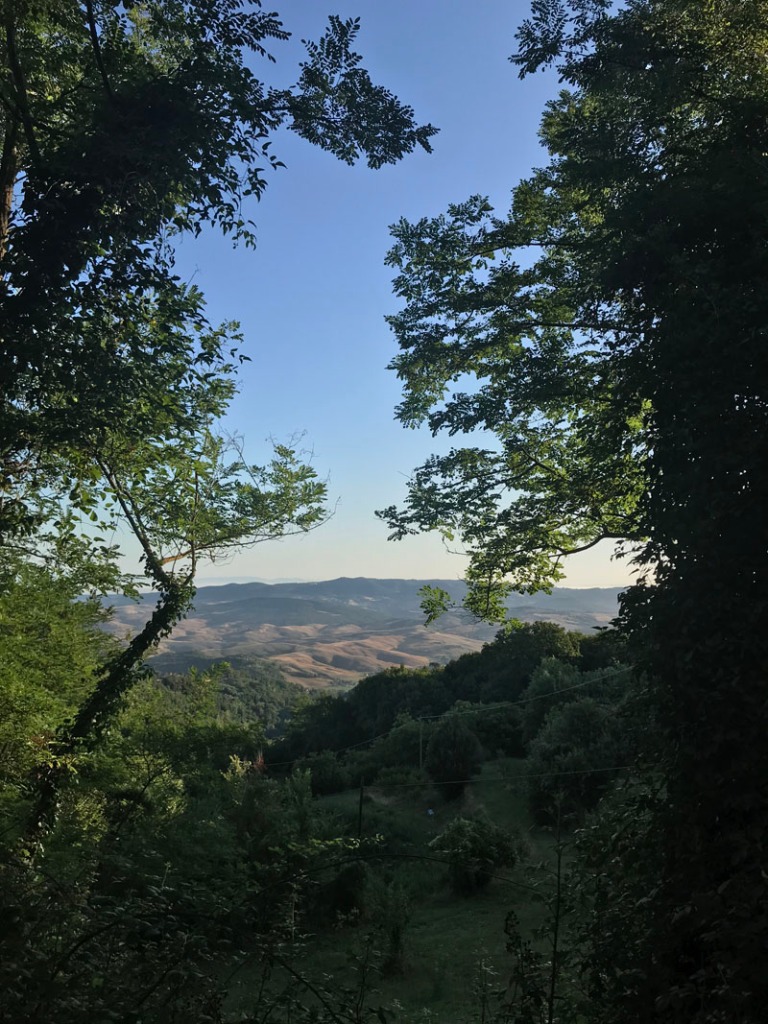
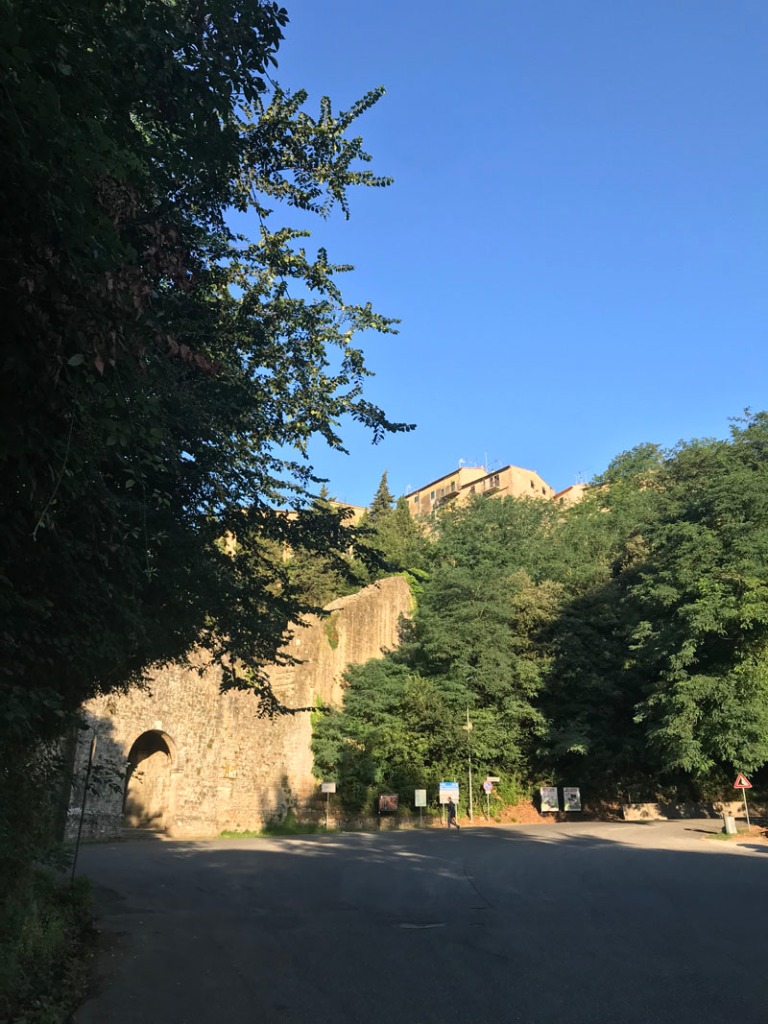
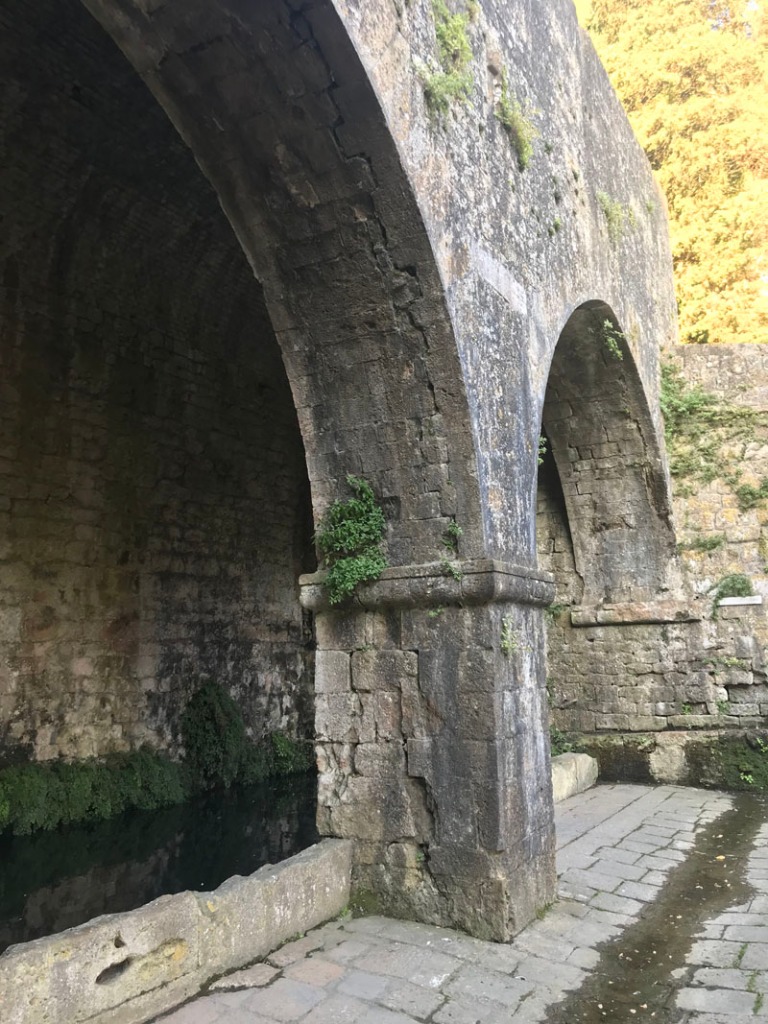
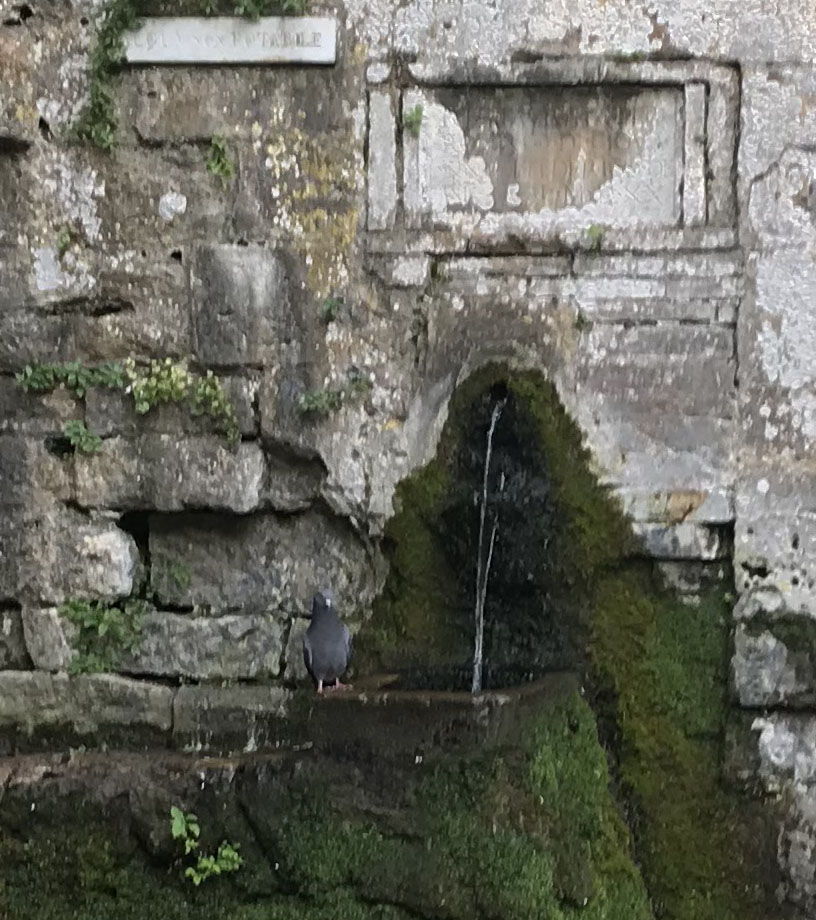
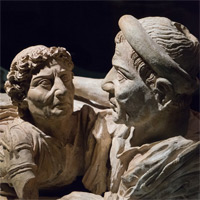 Volterra (Velathri, in the Etruscan language) was one of the twelve principal cities of the Etruscan League. It was a cultural cradle while Rome was still an upstart village on the banks of the Tiber. (I still have mad love for you, Rome!). In fact, it is Tuscany’s oldest continuously inhabited town.
 It is one of the principal centres for production of alabaster works in Europe, if not the principal centre. It was for centuries, and then trade fell off. It picked back up again in the eighteenth century, from which time Volterra has ruled the roost! Check out
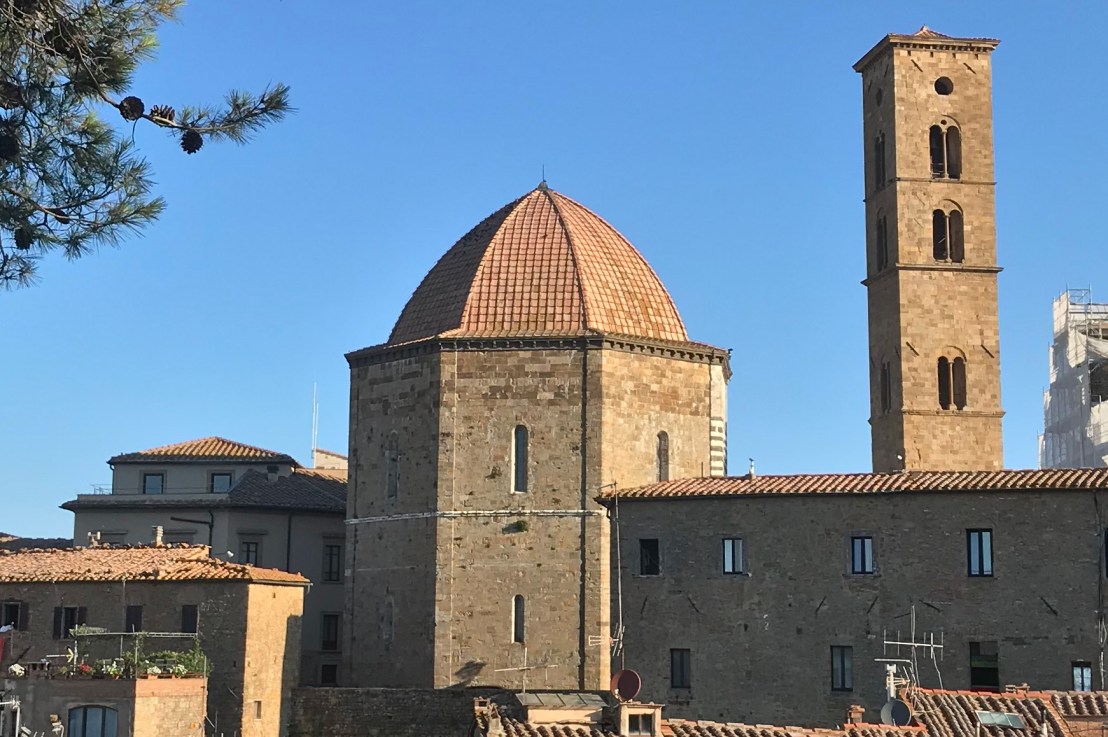
 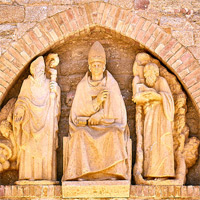 The second Pope, St. Linus, was born in Volterra. His cathederal is one of the few places we haven’t visited yet, as it was being renovated. It may have reopened by now, so hopefully we’ll take a look when we get over there.
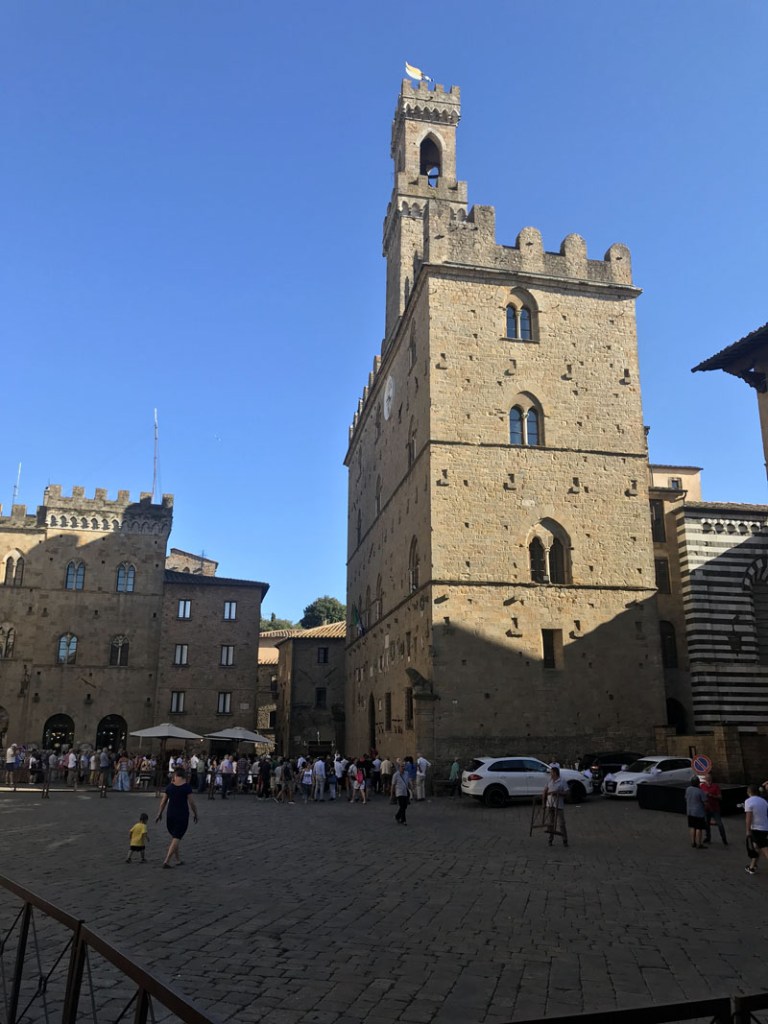
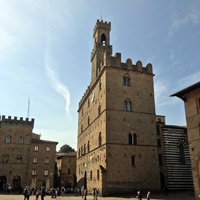 The main building of office in Volterra is still the 13th century Palazzo dei Priori, in the main square. It is the oldest town hall in Tuscany. So enamoured were the Medici by its design, that it was ‘culturally appropriated’, in that they based their Palazzo Vecchio in Florence on it. It’s still used for officialdom, but you can also visit a museum and the bell-tower there.
 If you were to stand beside the bell in the Palazzo dei Priori, you would be about 560 meters above sea-level, making Volterra Tuscany’s highest hilltown. I can see our house from here!
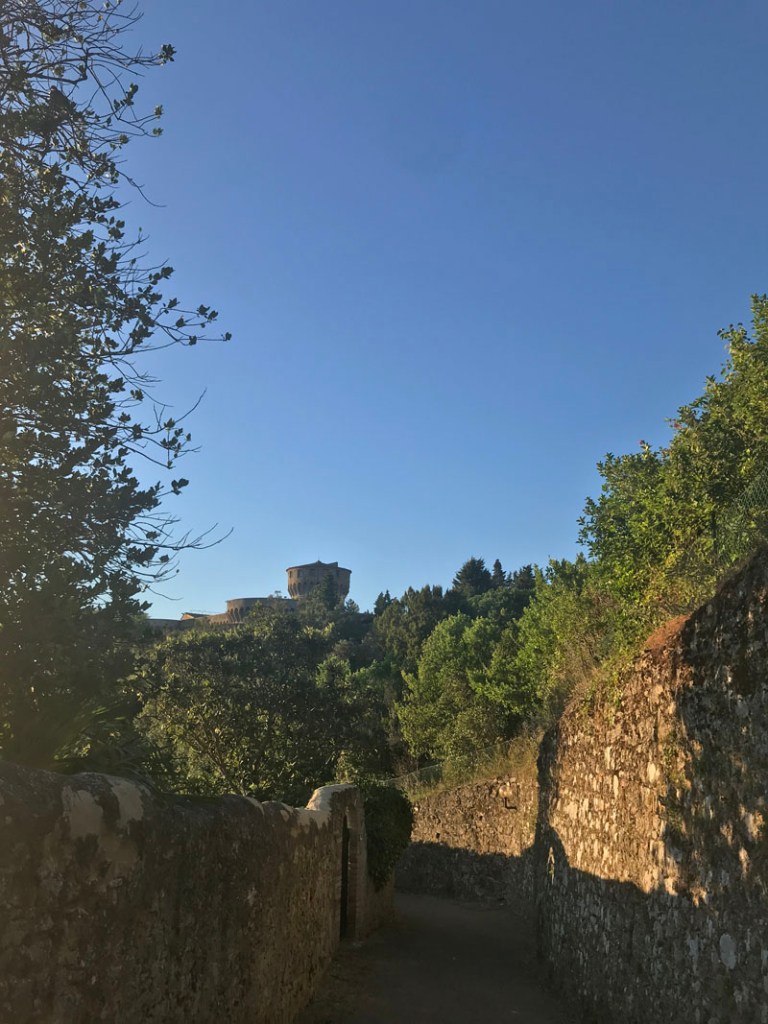
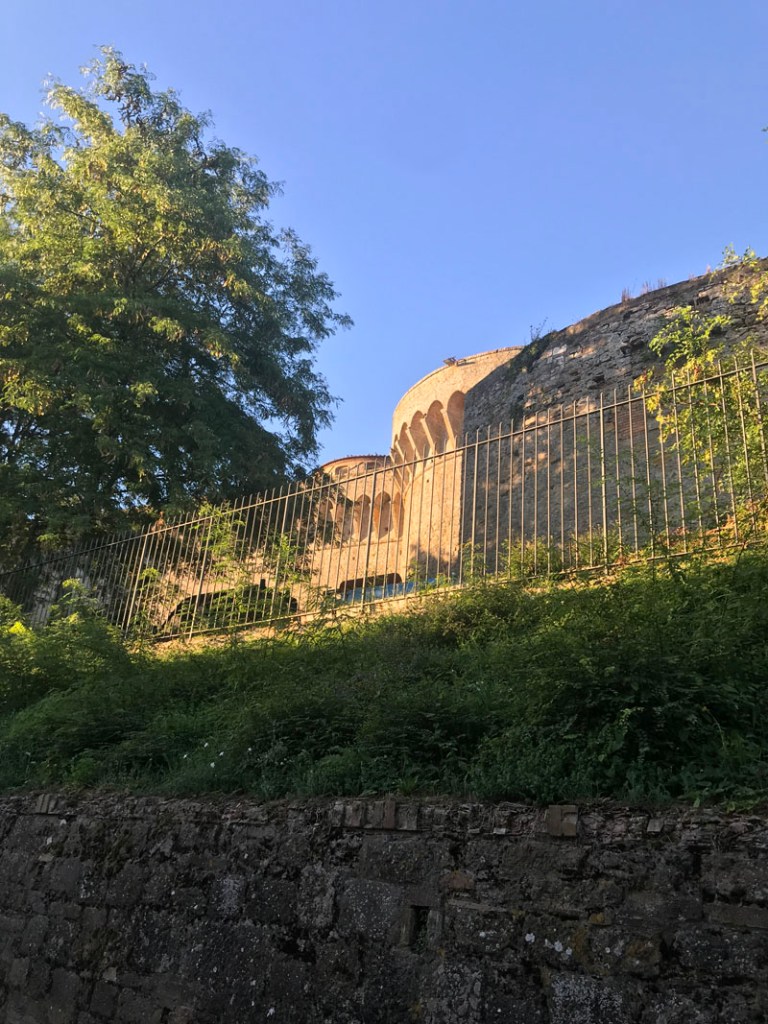
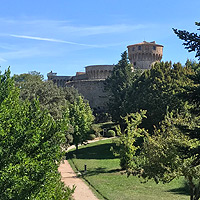 There is a Medicean fortress that dominates the south of the town. There are only three ways you can visit it, however: (1) go to dinner there; (2) visit someone housed there; or (3) be a very naughty boy and earn a prison sentence. Yes, it is, in fact, a medium-security prison. However, it is a very progressive one. Eight or so times a year, you can book yourself in to attend the so-called
 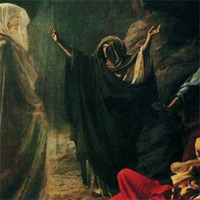 The progenitor of your typical medieval witches was also reputed for have been born in Volterra, supposedly on August the 13th, 1313. Her name was Aradia. Read more about her
 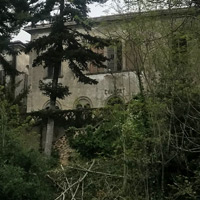 Volterra was home to a another town of sorts, on its outskirts. During its dismal apex, it housed as many people as the walled town itself did – about 6,000. It was a psychiatric hospital. It began life as an institution which genuinely sought to help the mentally infirm, but became something much more insidious. You can read more about it
  One of the most famous and progressive scenes depicting the Deposition of Christ was painted by Rosso Fiorentino, and originally housed in the cathedral of Volterra. It is now in the town’s art museum (pinacoteca), along with many other amazing pre-Renaissance pieces. It features, unusually, a red-headed Judas (bottom right).
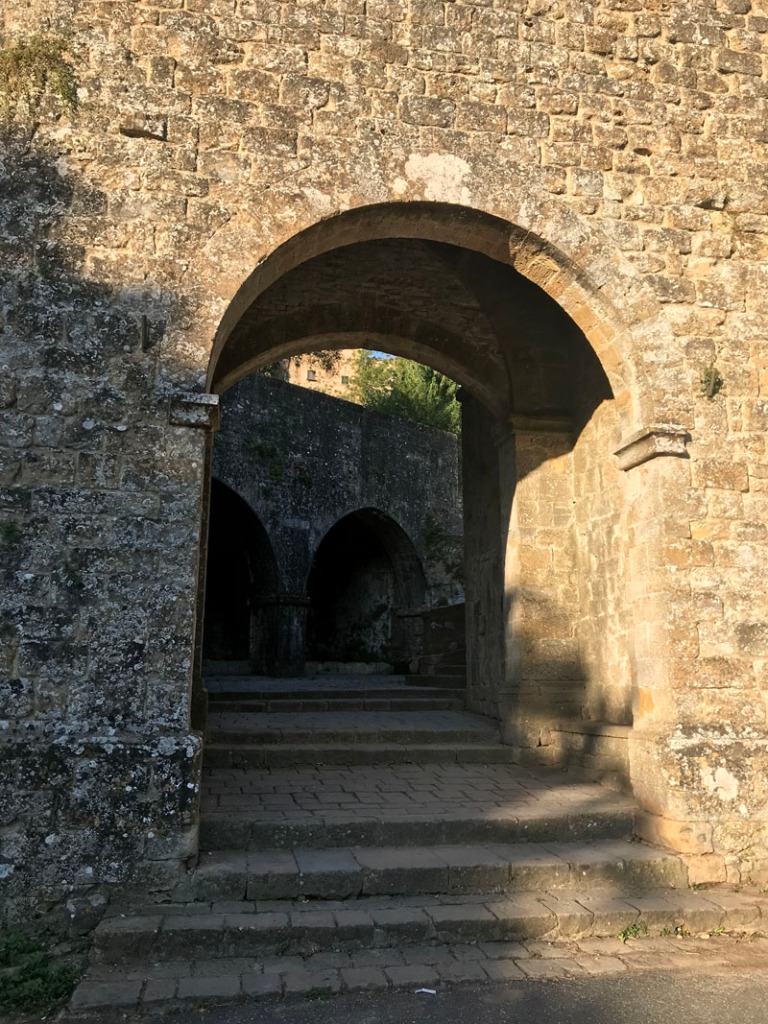
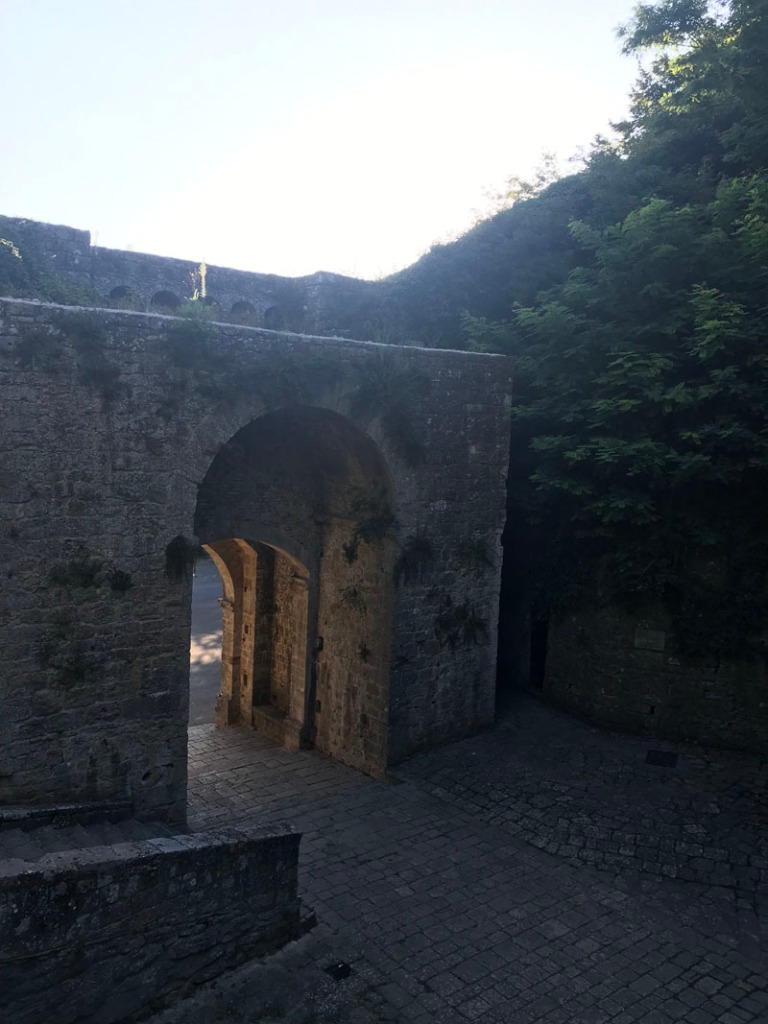
 One of Volterra’s greatest treasures is on public display, and acts as one of the entrances to the walled town: the Porta all’Arco. Part of it dates back to centuries BC. During WWII, the German’s threatened to destroy the gate, to impede the approaching allies. The remaining townsfolk (many of whom where women and children by then) begged the Germans to give them time instead to stop it up with rocks. They were given 24 hours. Incredibly they did it in time (it’s a big gate, with added depth) by forming a human conveyor belt, and so the gate remains intact today.
 Most recently, Volterra has seen movie and TV sets come and go, and been associated with modern young-adult urban fantasy. Some scenes from the live-action version of Full Metal Alchemist were shot here, as well as much of Season 3 of The Medicis (still awaiting broadcast in Ireland, I think). Most famously, Volterra has been associated with Stephanie Meyer’s Twilight Trilogy, with some of the second book being set here. Sadly, only a few scenes of the film where shot in Volterra, with the majority of the outdoor stuff shot instead in Montepulciano, 70 miles away.

 Our Man In Volterra